Industrial Biosolutions
From Waste Treatment to Resource Regeneration.
Microbiome-driven technologies for wastewater treatment, odor control, waste transformation, and sustainable resource efficiency.

Five Microbiome Application Directions
Microbial Systems For Cleaner Industry, Circular Resources & Carbon Reduction.
HYGEM Industrial Microbiome BioSolutions connect functional microbial consortia, environmental microbiology, bioactive metabolites and field-oriented validation. The goal is to help industries improve waste transformation, wastewater treatment efficiency, odor control, bioenergy conversion and carbon-reduction performance under validated application conditions while supporting the transition toward cleaner, circular and more sustainable industrial systems.
- microbial composting solutions for organic waste transformation
Composting of Waste
Accelerates organic matter degradation, improves compost maturity and supports stable transformation of agricultural, livestock and industrial organic by-products into valuable resources.
- microbial systems for wastewater treatment efficiency
Wastewater Treatment
Supports biological degradation, sludge stabilization, nitrogen transformation and microbial balance in wastewater systems, helping improve treatment efficiency and operational stability.
- microbiome solutions for bioenergy conversion
Enhanced Bioenergy
Improves microbial conversion of organic substrates into bioenergy by supporting fermentation efficiency, anaerobic digestion stability and resource recovery from waste streams.
- microbial odor and emission control solutions
Air Pollution Control
Helps reduce odor-related emissions, volatile organic compounds and ammonia-associated pressure through microbial degradation, biofiltration and environmental microbiome stabilization.
- microbial carbon reduction and circular resource solutions
Carbon Reduction
Supports lower-carbon industrial operations by enhancing waste valorization, biological treatment efficiency, resource recycling and the circular use of industrial by-products.
Composting of Waste
microbial composting solution for organic waste
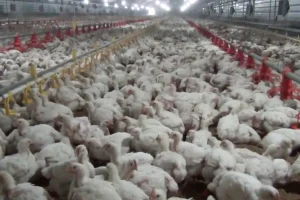
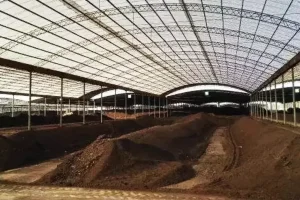
HYGEM microbial composting solutions support the biological conversion of organic waste into stable, nutrient-rich and reusable compost materials. Functional microbial communities help accelerate organic matter degradation, improve composting temperature dynamics, reduce odor generation, and promote compost maturity. By transforming agricultural residues, manure, food waste and organic by-products into valuable resources, HYGEM supports waste reduction, circular agriculture and more sustainable industrial bio-processing.
- Accelerates organic waste decomposition.
- Supports compost heating & maturity.
- Reduces odor and fermentation imbalance.
Wastewater Treatment
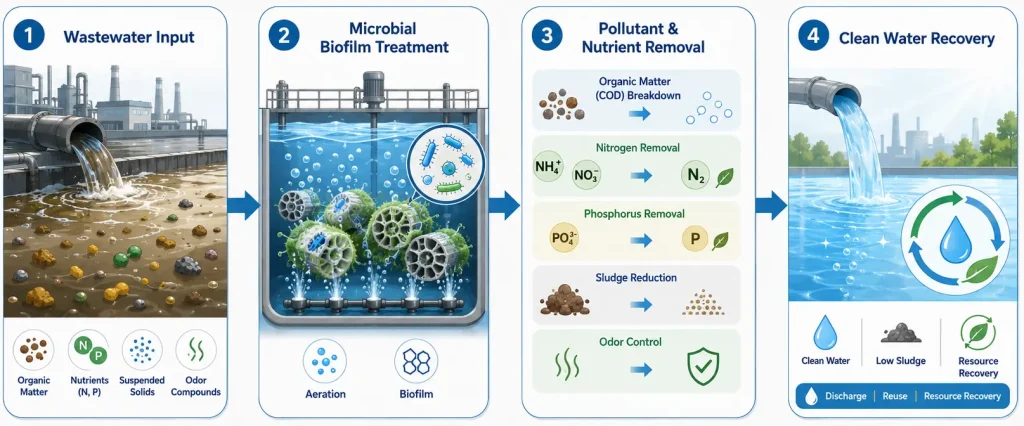
microbial wastewater treatment and resource recovery
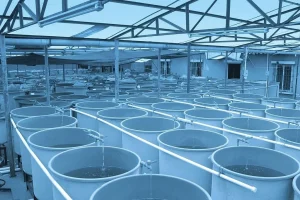
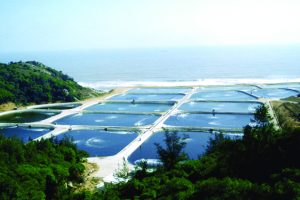
HYGEM microbial wastewater treatment solutions apply functional microbial communities to improve pollutant degradation, nutrient removal, sludge reduction and water-quality stability. Through microbial metabolism, biofilm activity and engineered treatment processes, organic matter, nitrogen, phosphorus and odor-related compounds can be biologically transformed, reduced or recovered. This approach supports cleaner water, lower operational burden and more sustainable industrial wastewater management.
- Degrades organic pollutants.
- Supports nitrogen and phosphorus removal.
- Reduces sludge and odor burden.
- Improves water-quality stability.
Enhanced Bioenergy
microbial bioenergy enhancement solution
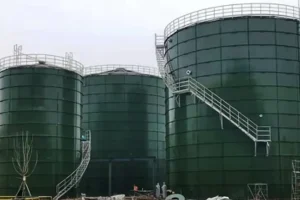
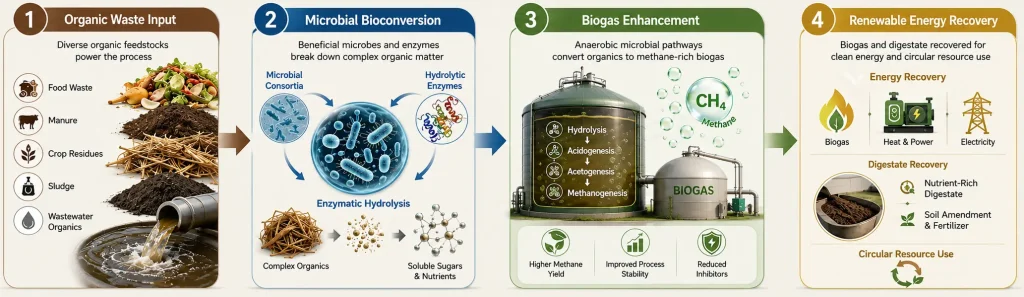
HYGEM microbial bioenergy solutions support the biological conversion of organic residues, wastewater organics and industrial by-products into renewable energy resources. Functional microbial communities help enhance anaerobic digestion, improve organic matter breakdown, stabilize microbial fermentation pathways and increase biogas production efficiency. By transforming waste streams into recoverable bioenergy, HYGEM supports lower environmental burden, improved resource efficiency and circular industrial biotechnology.
- Enhances organic waste bioconversion.
- Supports anaerobic digestion efficiency.
- Improves biogas production stability.
- Converts waste streams into renewable energy.
Enhanced Bioenergy
microbial bioenergy enhancement solution
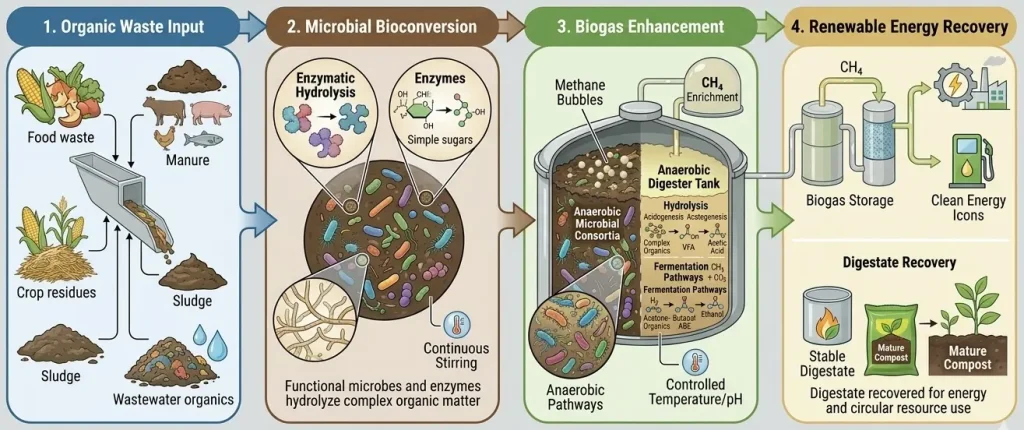
HYGEM microbial bioenergy solutions support the biological conversion of organic residues, wastewater organics and industrial by-products into renewable energy resources. Functional microbial communities help enhance anaerobic digestion, improve organic matter breakdown, stabilize microbial fermentation pathways and increase biogas production efficiency. By transforming waste streams into recoverable bioenergy, HYGEM supports lower environmental burden, improved resource efficiency and circular industrial biotechnology.
- Enhances organic waste bioconversion.
- Supports anaerobic digestion efficiency.
- Improves biogas production stability.
- Converts waste streams into renewable energy.
Air Pollution Control
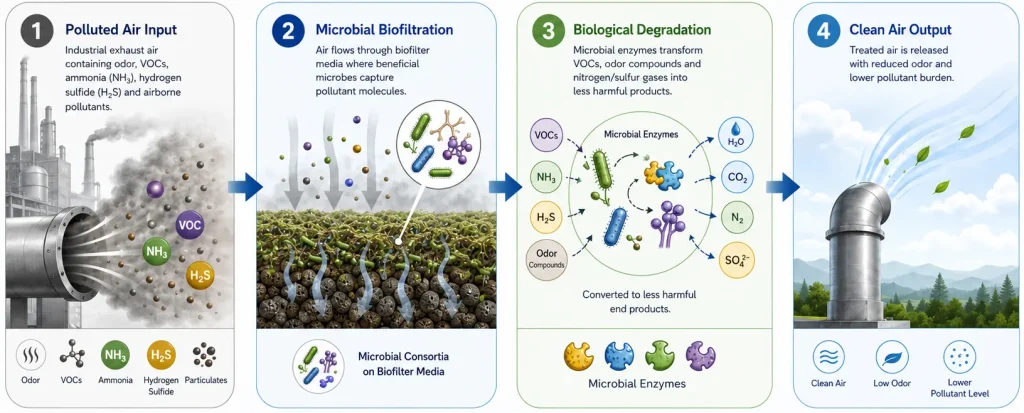
microbial biofiltration for VOC and odor removal
HYGEM microbial air pollution control solutions apply functional microbial systems to reduce odor, volatile organic compounds, ammonia, hydrogen sulfide and other airborne pollutants. Through biofiltration, biotrickling and microbial degradation mechanisms, target pollutants can be biologically captured, transformed and reduced before they are released into the environment. This supports cleaner industrial air, lower odor burden and more sustainable environmental management.
- Reduces odor and airborne pollutants.
- Supports VOC biological degradation.
- Helps control ammonia and hydrogen sulfide.
- Improves cleaner air management.
Carbon Reduction
microbial carbon reduction biotechnology
HYGEM microbial carbon reduction solutions support low-carbon industrial transformation by improving biological treatment efficiency, reducing waste-related emissions, and converting organic by-products into reusable resources. Through microbial degradation, carbon flow optimization, bioresource recovery, and circular process design, industrial systems can reduce environmental burden while improving resource efficiency. This approach helps connect wastewater treatment, composting, bioenergy, and air pollution control into a more sustainable carbon-reduction strategy.
- Reduces waste-related carbon burden.
- Improves biological treatment efficiency.
- Supports resource recovery & reuse.
- Enables low-carbon industrial transformation.