
Exhibition Strategy for HYGEM Microbiome Technology Communication
International exhibitions are not simply marketing events for a deep-tech microbiome company. For HYGEM, they are technology translation platforms: places where complex microbial science must be converted into a clear, memorable, and business-ready story within a very short time.
At an exhibition, visitors rarely have the patience to understand every strain, pathway, fermentation process, or field-trial detail. Scientists, distributors, investors, regulators, and enterprise customers each arrive with different questions. A poorly structured booth leaves them confused. A well-designed booth helps them understand what problem HYGEM solves, how the technology works, what solutions are available, what evidence supports them, and how they can collaborate.
The goal is not to explain everything at once. The goal is to earn the next conversation.
Five-Block Exhibition Story Framework
1. The Core Challenge: Translating Microbiome Science into Business Understanding
Microbiome technology is powerful, but it is not always easy to explain. Concepts such as synthetic microbial consortia, next-generation probiotics, fermentation metabolites, strain screening, metagenomic data, and field validation can quickly overwhelm visitors if they are presented as isolated technical details.
HYGEM’s exhibition communication should therefore avoid leading with complexity. Instead, every booth, brochure, screen, and staff conversation should follow one simple logic:
Start with the customer’s problem. Explain the biological mechanism. Introduce the solution platform. Show evidence. Invite a specific form of collaboration.
This five-step structure allows HYGEM to communicate scientific depth without losing commercial clarity.
| Story Block | Visitor Question | HYGEM Communication Focus |
|---|---|---|
| Problem | What real-world pain point does this solve? | Address production pressure, disease pressure, nutrient inefficiency, environmental burden, or waste management challenges. |
| Mechanism | How do microbes create value? | Explain microbial balance, fermentation metabolites, strain functions, nutrient conversion, pathogen pressure management, or environmental transformation. |
| Platform | What solutions are ready for adoption? | Present HYGEM / GEMBIOZ product platforms, microbial consortia, fermentation systems, precision services, and application directions. |
| Evidence | Why should I believe it? | Show field data, third-party testing, application cases, lab reports, regulatory documentation, and customer validation. |
| Partnership | What can we do together? | Guide visitors toward distribution, pilot trials, co-development, OEM/ODM, research collaboration, or investment discussion. |
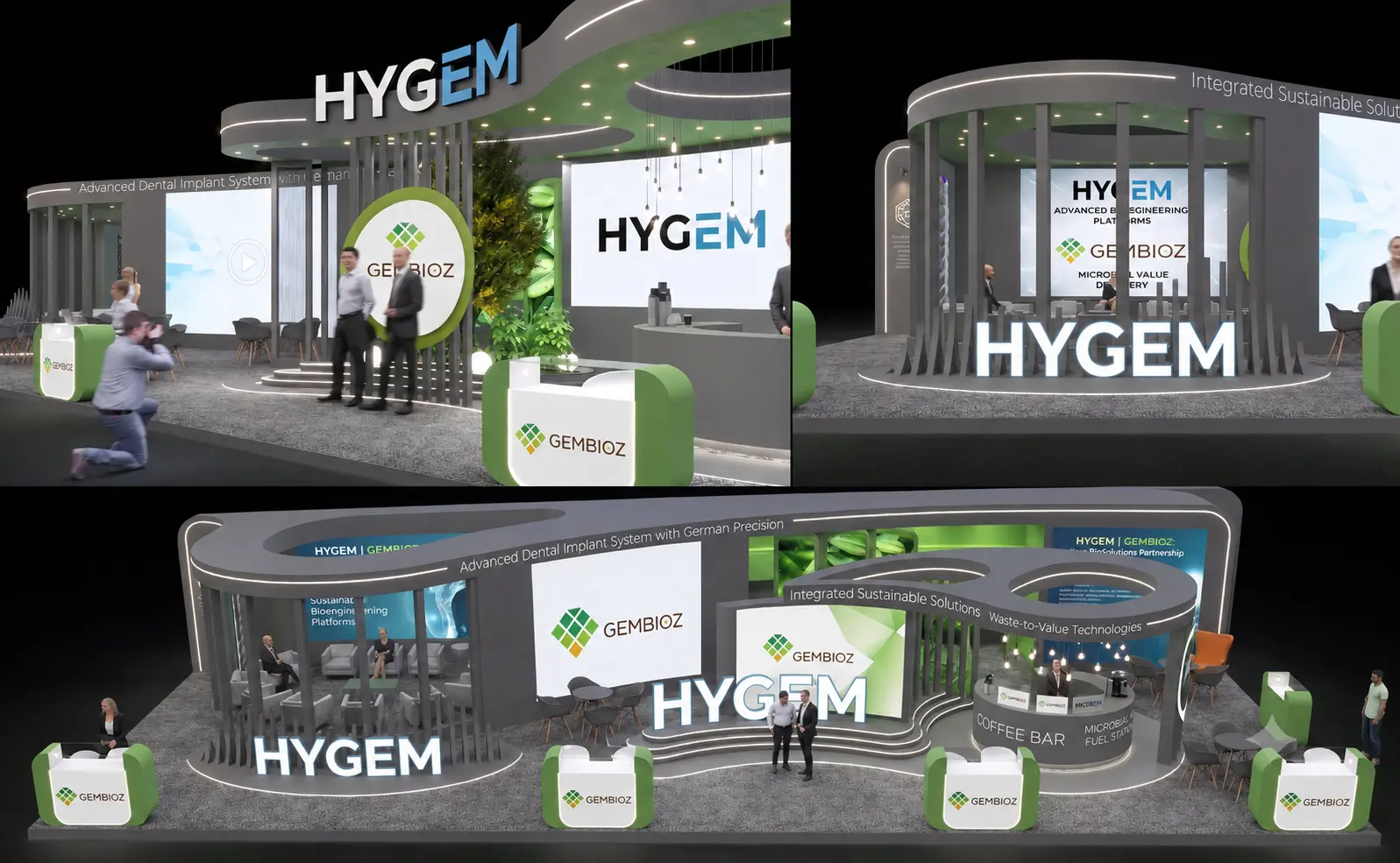
2. Booth Layout: Designing a Visitor Journey, Not Just a Display Space
A strong exhibition booth should guide visitors naturally through HYGEM’s story. The layout should not be a collection of posters. It should function as a short visitor journey that can be understood in less than one minute and explored in greater depth during meetings.
Entrance Zone: Define the Problem
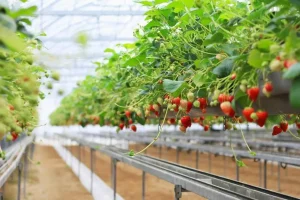
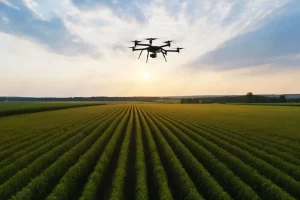
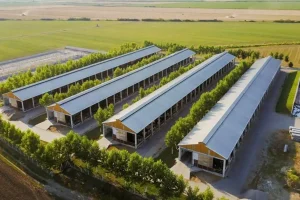
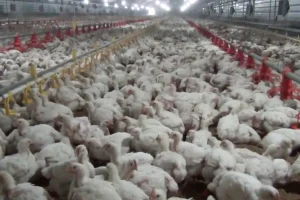
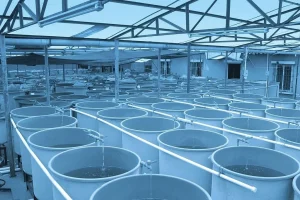
The entrance message should immediately connect with real production pain points. For agriculture, this may include fertilizer inefficiency, soil degradation, disease pressure, or climate stress. For animal production, it may include antibiotic reduction, feed efficiency, heat stress, gut resilience, or manure pressure. For industrial applications, it may include wastewater treatment, odor control, sludge reduction, or carbon reduction.
The entrance should use simple contrast: problem versus biological solution. Avoid dense technical wording at the first contact point.
Mechanism Wall: Make the Invisible Visible
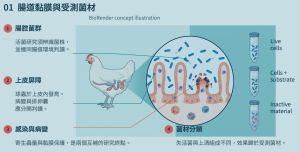
Microbes are invisible to most visitors. The mechanism wall should use clean graphics to show what HYGEM technology does: restoring microbial balance, improving nutrient conversion, producing beneficial metabolites, suppressing pathogen pressure, or transforming organic waste.
The best format is a simple three-panel visual: imbalance, intervention, and improved system function.
Platform Showcase: Show What HYGEM Can Deliver
The product platform area should make HYGEM’s solutions tangible. Physical samples, product cards, simple application maps, tablet demos, and short videos can help visitors move from concept to adoption.
The platform should be organized by application, not by internal technical complexity. For example: animal microbiome solutions, agriculture microbiome solutions, aquaculture management, industrial BioSolutions, and precision microbial services.
Evidence Zone: Turn Science into Trust
The evidence zone should contain the strongest proof points: field photos, trial summaries, laboratory reports, safety documentation, performance indicators, and customer cases. Data should be visual, not buried in text.
If specific performance numbers are used, they should come from validated internal trials, third-party reports, or clearly labeled case studies. Exhibition materials should avoid unsupported claims or generalized promises.
Partnership Counter: Convert Interest into Action
The final booth zone should make the next step obvious. Visitors should not leave with only a brochure. They should leave with a scheduled meeting, a QR-based contact record, a product category selected, or a clear collaboration pathway.
Staff should ask: “What problem are you trying to solve?” rather than simply asking whether the visitor wants a brochure.
3. Exhibition Timeline: Before, During, and After the Event
A successful exhibition is not built during the exhibition week. It starts weeks before the event and continues through disciplined follow-up after the booth closes.
Pre-Exhibition: Build Qualified Traffic Before the Event
Four to six weeks before the exhibition, HYGEM should identify priority prospects, distributors, research partners, enterprise customers, and media contacts. Personalized invitations should include the exhibition name, booth number, meeting link, and a short reason why the recipient should visit.
Social media teasers, email campaigns, event landing pages, and short videos can introduce the central theme before visitors arrive. The goal is to create recognition before the first booth interaction.
During Exhibition: Create Structured Engagement
During the exhibition, booth staff should repeat the five-block story consistently. Short scheduled mini-presentations can help communicate one topic at a time, such as AI-driven strain screening, synthetic microbial consortia, fermentation metabolites, or field validation.
Lead capture should be integrated into the visitor journey. QR codes, tablet forms, meeting calendars, and interest-type selection can classify visitors into distributors, researchers, enterprise customers, investors, or regulatory contacts.
Post-Exhibition: Follow Up Before Interest Cools
The first 48 hours after the exhibition are critical. Leads should be categorized based on conversation depth, application interest, business potential, and urgency. High-priority contacts should receive personalized follow-up materials, not generic mass emails.
For strategic leads, send the relevant case study, product introduction, meeting link, and proposed next step. For medium-priority leads, send a shorter technical summary or webinar invitation. For general contacts, add them to a structured education sequence.
Target & Invite
Engage & Qualify
Follow Up & Convert
4. Booth Staff Training: Different Visitors Need Different Conversations
Booth staff should not use the same message for every visitor. A distributor, a researcher, an investor, a grower, and a regulatory contact are each listening for different signals. Staff training should therefore include both the core HYGEM story and visitor-specific conversation paths.
| Visitor Type | What They Care About | Opening Question | Best Evidence to Show |
|---|---|---|---|
| Distributor | Market demand, margins, exclusivity, registration status, product readiness | “Which application market are you currently trying to expand?” | Product portfolio, registration roadmap, field case summary, distributor model. |
| Producer / Grower | Yield stability, cost reduction, ease of use, risk reduction | “What production challenge is most urgent for your farm or customer base?” | Application guidelines, before/after cases, ROI table, local-language field summary. |
| Researcher | Mechanism, strain data, experimental design, collaboration potential | “Are you more interested in strain function, microbiome data, or field validation?” | Technology poster, strain screening workflow, publication direction, collaboration model. |
| Investor | Market size, platform scalability, IP, competitive advantage, revenue model | “Would you like a five-minute overview of our microbiome platform roadmap?” | Investor one-pager, platform architecture, pipeline map, commercialization milestones. |
| Regulatory / Policy | Safety, compliance, documentation, standards, traceability | “Would you like to review how we structure our safety and product documentation?” | Safety summary, quality system overview, testing reports, regulatory dossier outline. |
5. Booth Materials and Digital Assets
Exhibition materials should be simple, visual, and designed for follow-up. The best materials are not the thickest brochures. They are the materials that help the visitor remember the story and take the next step.
Printed Materials
HYGEM should prepare a one-page “HYGEM at a Glance” document that summarizes the five-block story: problem, mechanism, platform, evidence, and partnership. Case study sheets should be separated by application area, such as agriculture, livestock, aquaculture, industrial BioSolutions, or fermentation services.
Business cards should include a QR code linked to an exhibition-specific landing page. Large posters should use graphs, photos, and icons rather than dense paragraphs.
Digital Assets
Digital screens and tablets should support short, self-explanatory content. A 60–90 second explainer video can show how HYGEM connects microbial screening, fermentation engineering, product development, and field validation. Tablet demos can show application maps, product categories, or sample reports.
Digital materials should help staff start a better conversation, not replace human explanation.
6. Exhibition KPIs: Measuring More Than Booth Traffic
Booth traffic is useful, but it is not the only indicator of exhibition success. HYGEM should measure both quantity and quality: number of visitors, qualified leads, scheduled meetings, demonstration engagement, follow-up conversion, and brand recall.
| KPI | Purpose | How to Measure |
|---|---|---|
| Booth Visitors | Measures event visibility and visitor attraction. | Badge scan, counter clicker, QR code interaction. |
| Qualified Leads | Measures business-relevant engagement. | CRM entry after meaningful conversation and interest classification. |
| Scheduled Meetings | Measures conversion from interest to next-step commitment. | Calendar bookings during or immediately after the event. |
| Demo Attendance | Measures technical content engagement. | Headcount, sign-in form, or QR registration. |
| Post-Exhibition Follow-Up Conversion | Measures whether exhibition interest becomes pilot, trial, distribution discussion, or collaboration. | CRM tracking over 30, 60, and 90 days. |
| Brand Recall | Measures whether visitors remember HYGEM’s core story. | Short exit survey or post-event email poll. |
7. A 30-Second HYGEM Exhibition Pitch
A strong booth pitch should be short, flexible, and visitor-oriented. It should not sound like a memorized product advertisement. It should invite the visitor to identify their own need.
HYGEM develops integrated microbiome BioSolutions for agriculture, animal production, aquaculture, and industrial sustainability. We use microbial screening, fermentation engineering, and field validation to design biological systems that can support productivity, resilience, nutrient efficiency, and environmental performance. Which area are you most interested in: agriculture, livestock, aquaculture, industrial applications, or partnership development?
This pitch communicates the platform, avoids overclaiming, and quickly helps staff identify the visitor’s interest category.
Strategic Recommendation
HYGEM should invest in one signature international exhibition each year where the full strategy is deployed: booth design, pre-event campaign, staff training, evidence materials, live demonstrations, and post-event follow-up. For smaller satellite exhibitions, HYGEM can use a simplified version with one strong banner, two trained staff members, tablet demos, and the same five-block story.
The booth should not be treated as a place to close every deal immediately. It should be designed as a relationship engine: a system that attracts the right people, explains HYGEM’s microbiome platform clearly, captures qualified interest, and creates structured follow-up opportunities.
At an international exhibition, HYGEM is not only selling products. It is building confidence in a microbiome technology platform.
Exhibition success depends on technology translation. HYGEM should communicate one clear story: the problem we solve, the microbial mechanism behind the solution, the platform we provide, the evidence we can show, and the partnership opportunity we can create.
Further Reading
- HYGEM Integrated Microbial Bioengineering Platform
- HYGEM Agriculture BioSolutions
- HYGEM Animal BioSolutions
- HYGEM Industrial BioSolutions
- Scientific Research Articles
References / Disclaimer
Reference directions include B2B technology communication, exhibition marketing, biotechnology commercialization, scientific storytelling, customer journey design, lead qualification, and CRM-based post-exhibition conversion strategy.
Disclaimer: This article is intended for strategic communication and educational purposes only. Any performance data, field results, regulatory status, product claims, or commercial projections used in exhibition materials should be verified with validated internal data, third-party reports, official documentation, or approved marketing materials before public use.