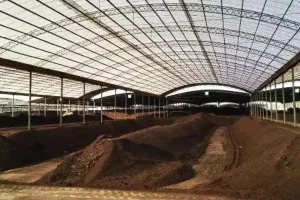
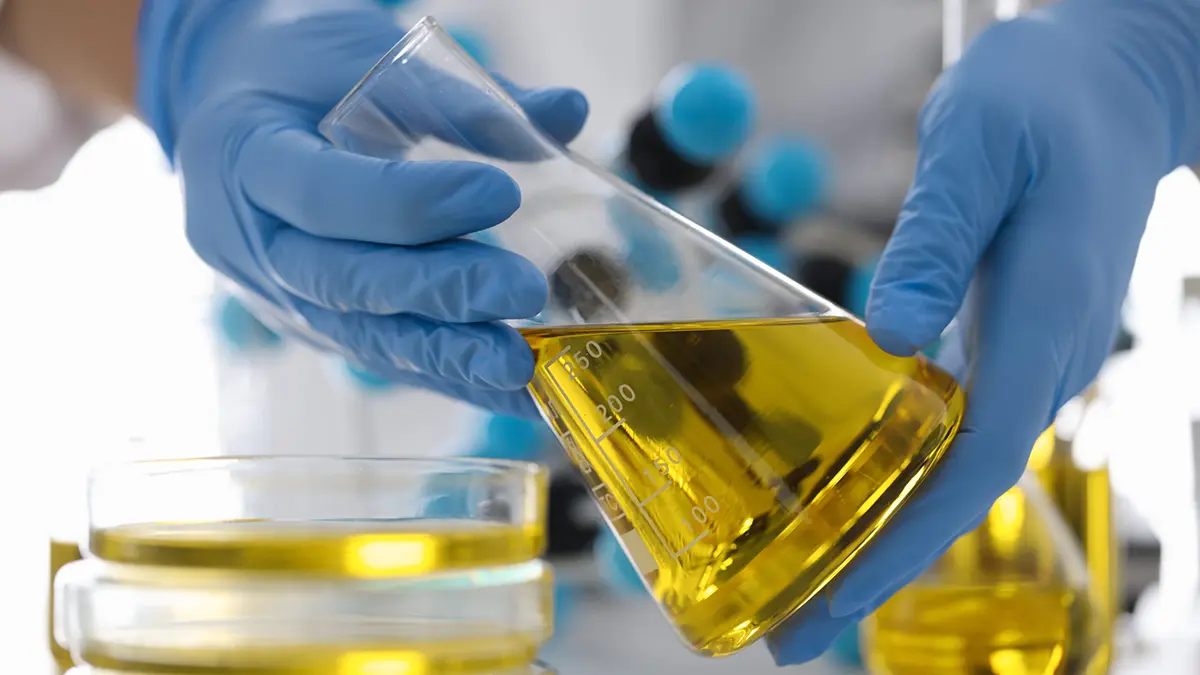

Microorganisms play a pivotal role in shaping the landscape of sustainable agriculture. Their influence extends from soil fertility and health to impacting plant growth, development, and yield. In this article, we delve into the intricate relationship between microorganisms and sustainable agriculture, exploring their positive contributions, challenges, and the evolving field of microbiome engineering.
Abstract:
Microorganisms are indispensable elements in the framework of sustainable agriculture, influencing soil fertility and plant health. While they contribute positively to plant growth and development, they also pose challenges through diseases. Understanding the complexity of the plant-soil microbiome is crucial for deploying microorganisms effectively in sustainable agriculture. Despite extensive research on plant and soil microbiomes, translating laboratory findings to the field relies heavily on the ability of inoculants or beneficial microorganisms to establish and sustain in the ecosystem. The plant and its environment significantly influence the diversity and structure of the microbiome. Recent research focuses on microbiome engineering to modify microbial communities, enhancing the efficiency of inoculants. Engineered environments are believed to enhance resistance to stressors, plant fitness, and productivity. Population characterization is essential in microbiome manipulation and identifying potential biofertilizers and biocontrol agents. Next-generation sequencing and omics technologies have expanded our knowledge, enabling the engineering of sustainable microbial communities supporting high yield, disease resistance, nutrient cycling, and stress management. This review provides an overview of the role of beneficial microbes in sustainable agriculture, microbiome engineering, technology translation to the field, and key approaches used globally to study the plant-soil microbiome.
Keywords: microbiome; biofertilizer; biocontrols; beneficial organisms; microbiome engineering; multidisciplinary omics technologies
Introduction:
Microorganisms, encompassing bacteria, fungi, and other microscopic life forms, form the backbone of sustainable agriculture. Their impact on soil fertility is fundamental, influencing nutrient cycling, organic matter decomposition, and the availability of essential elements for plant growth. Additionally, microorganisms contribute to disease resistance, stress management, and overall plant health.
Positive Contributions of Microorganisms in Sustainable Agriculture:
- Nutrient Cycling: Microorganisms play a crucial role in decomposing organic matter, releasing nutrients that plants can uptake. This nutrient cycling enhances soil fertility, reducing the need for synthetic fertilizers.
- Disease Resistance: Beneficial microorganisms can act as biocontrols, suppressing the growth of pathogenic organisms and enhancing the plant’s natural defense mechanisms. This contributes to sustainable pest and disease management.
- Stress Management: Microorganisms assist plants in coping with various stressors, such as drought or salinity. They can enhance the plant’s ability to withstand adverse environmental conditions, promoting resilience in the face of climate change.
- Biofertilizers: Certain microorganisms have the ability to fix atmospheric nitrogen, making it available to plants. This reduces the dependence on nitrogen-based fertilizers, mitigating environmental pollution.
Challenges in Microbial Application:
- Field Translation: While laboratory and greenhouse studies provide valuable insights, ensuring the successful colonization of beneficial microorganisms in the field remains a challenge. The stability of these microorganisms in diverse ecosystems is crucial for sustained impact.
- Influence of Plant and Environment: The plant and its environment act as dynamic variables shaping the diversity and structure of the microbiome. Understanding these interactions is essential for effective microbial application.
Microbiome Engineering for Enhanced Efficiency:
Recent advancements in microbiome engineering aim to overcome challenges associated with microbial application in agriculture. By modifying microbial communities, researchers seek to enhance the adaptability and effectiveness of beneficial microorganisms in different environments. This approach involves:
- Environmental Modification: Creating engineered environments that support the establishment and stability of beneficial microorganisms.
- Resistance to Stressors: Designing microbial communities that confer resistance to both biotic and abiotic stressors, ensuring sustained plant productivity.
- Plant Fitness Enhancement: Focusing on microbiome engineering to improve overall plant fitness, resulting in higher yields and better adaptation to environmental changes.
Technological Advancements:
- Next-Generation Sequencing: This approach allows the identification of both culturable and non-culturable microbes associated with the soil and plant microbiome, providing a comprehensive understanding of microbial communities.
- Omics Technologies: Multidisciplinary omics methods, including genomics, transcriptomics, and proteomics, offer a holistic view of microbial functionalities and interactions within the plant-soil system.
Conclusion:
In conclusion, harnessing the power of beneficial microorganisms is integral to advancing sustainable agriculture. Microbiome engineering and technological innovations offer promising avenues for overcoming challenges and optimizing the positive contributions of microorganisms. The translation of these advancements from the laboratory to the field holds the key to realizing the full potential of microorganisms in shaping a sustainable and resilient agricultural future.