
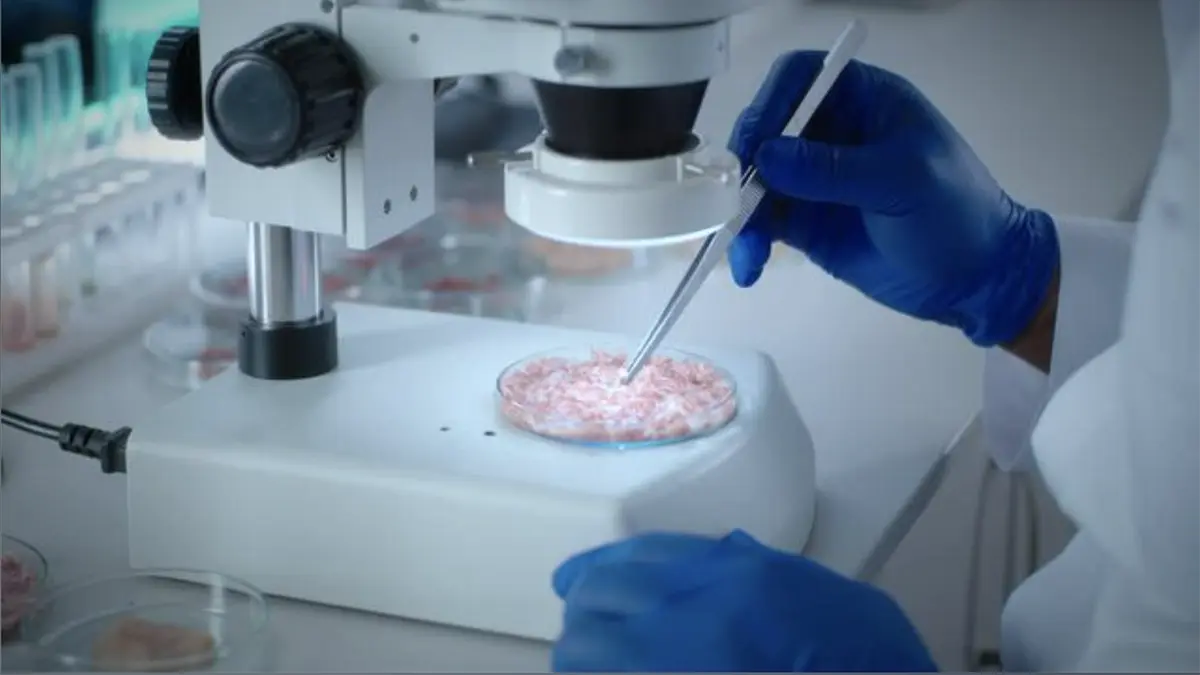
The global protein system is beginning to diversify. For decades, the discussion around protein largely centered on conventional livestock, fisheries and commodity crops. Today, a much broader technology landscape is emerging: plant proteins, biomass fermentation, precision fermentation, cultivated food technologies and hybrid products are increasingly being developed alongside conventional agriculture.
This transition is not simply being driven by consumer trends. Governments, research institutions, farmers, biotechnology companies and food manufacturers are investing in new ways to produce protein, improve food functionality and develop more diversified supply chains.
Two developments illustrate this shift particularly well. Germany committed €38 million in its 2024 federal budget to measures related to alternative proteins and protein diversification, including support for agricultural transition and innovation. In Canada, Protein Industries Canada announced a collaborative project involving New School Foods, Liven Proteins and NuWave Research to commercialize a whole-cut plant-based salmon product, with the original 2023 announcement describing an investment of approximately CAD 11.4 million, including more than CAD 4.5 million from Protein Industries Canada.
The alternative-protein transition is broader than replacing meat with plant-based products. It represents a convergence of agriculture, microbial biotechnology, fermentation, food processing and ingredient science. The emerging question is not whether one protein source will replace another, but how multiple protein-production systems can coexist and complement each other.
1. What Are Alternative Proteins?
“Alternative protein” is often used as a single category, but technically it includes several very different production platforms.
| Technology | Biological Platform | Typical Output | Key Development Challenge |
|---|---|---|---|
| Plant-Based Protein | Pea, soy, faba bean, lentil and other crops | Protein concentrates, isolates and structured foods | Texture, flavor and nutritional optimization |
| Biomass Fermentation | Fungi, yeast, bacteria or other microorganisms | Protein-rich microbial biomass | Cost-efficient fermentation and scale-up |
| Precision Fermentation | Engineered microbial production systems | Specific proteins and functional ingredients | Yield, downstream processing and economics |
| Cultivated Protein | Animal-cell culture | Animal-derived tissue or cellular components | Scale-up, media cost and regulatory approval |
These technologies should therefore not be treated as one homogeneous industry. They use different biological inputs, manufacturing equipment, regulatory pathways and business models.
Plant-based foods rely heavily on crop breeding, protein extraction and food-structure engineering. Fermentation platforms move closer to industrial biotechnology, requiring strain development, fermentation control and downstream processing. Cultivated food technologies add another layer involving cell biology, culture media and bioreactor engineering.

2. Why Is Germany Investing in Protein Diversification?
Germany’s 2024 federal budget marked an important policy development for the country’s alternative-protein ecosystem. The announced €38 million allocation included funding associated with proteins for human nutrition, agricultural transition and innovative production or processing technologies.
One reported allocation provided approximately €8 million for proteins intended for human nutrition. Another €20 million was associated with the farm-transition program known as the Chancenprogramm Höfe, designed to support agricultural businesses exploring new protein value chains. A further €10 million was directed toward innovation related to production and processing.
The important point is that this strategy goes beyond funding a new generation of packaged vegetarian foods. It connects the protein transition with the agricultural system itself.
For a farmer, changing the protein system may involve cultivating legumes or other protein crops, developing new processing partnerships or participating in emerging fermentation and ingredient supply chains. For food companies, it creates demand for extraction, fractionation, texturization, fermentation and formulation technologies.
The protein transition should not be interpreted simply as “livestock versus plants.” From a bioengineering perspective, it creates new links between crop production, microbial fermentation, ingredient manufacturing and food formulation. These value chains may operate alongside conventional animal agriculture rather than replacing every existing production system.
3. From Protein Crops to Fermentation: Agriculture Is Becoming a Biotechnology Platform
Germany’s long-running Protein Crop Strategy has emphasized legumes such as field peas, faba beans and lupins as tools for diversifying crop rotations and strengthening domestic protein supply chains.
Legumes are particularly interesting because their biology already demonstrates the connection between agriculture and microorganisms. Through symbiosis with rhizobia, legumes can biologically fix atmospheric nitrogen, influencing soil fertility and reducing dependence on mineral nitrogen inputs in some cropping systems.
The next stage of protein innovation extends this biological logic beyond the field.
Plant crops can provide carbohydrates, protein fractions and side streams that become substrates or ingredients for fermentation. Microorganisms can then be used either as the protein source itself or as biological factories producing targeted functional compounds.
This creates a new food-production model:
↓
Protein Crops & Agricultural Side Streams
↓
Bioprocessing
↓
Extraction / Fermentation / Bioconversion
↓
Functional Ingredients
↓
Food Structure / Nutrition / Flavor
↓
Next-Generation Food Products
For biotechnology companies, this development creates opportunities that go far beyond meat analogues. Fermentation platforms may contribute proteins, enzymes, flavor compounds, lipids, pigments, vitamins and structural ingredients to future foods.
4. Canada’s Plant-Based Salmon Project Shows How Commercialization Works
Canada offers another perspective on the protein transition: instead of focusing primarily on agricultural restructuring, its innovation-cluster model demonstrates how several specialized companies can combine technologies to commercialize a specific product.
In November 2023, Protein Industries Canada announced a collaborative project involving New School Foods, Liven Proteins and NuWave Research. The project focused on commercializing a whole-cut plant-based salmon product designed to change during cooking in a way that more closely resembles conventional fish.
The original project announcement described approximately CAD 11.4 million in R&D investment, including more than CAD 4.5 million from Protein Industries Canada, with the consortium partners providing the balance.
Each company contributed a different technology layer.
| Partner | Technology Contribution | Role in Product Development |
|---|---|---|
| New School Foods | Whole-cut food structuring technology | Creates the plant-based salmon structure and cooking behavior |
| Liven Proteins | Precision-fermentation-derived functional proteins | Develops ingredients intended to improve functional and nutritional characteristics |
| NuWave Research | Vacuum microwave processing | Supports development and validation of scalable production processes |
This example illustrates an important feature of next-generation foods: the final product may depend on several technologies rather than one “magic ingredient.”
Ingredient biotechnology, food structuring, processing equipment and manufacturing economics must all work together before a laboratory concept can become a commercial food.
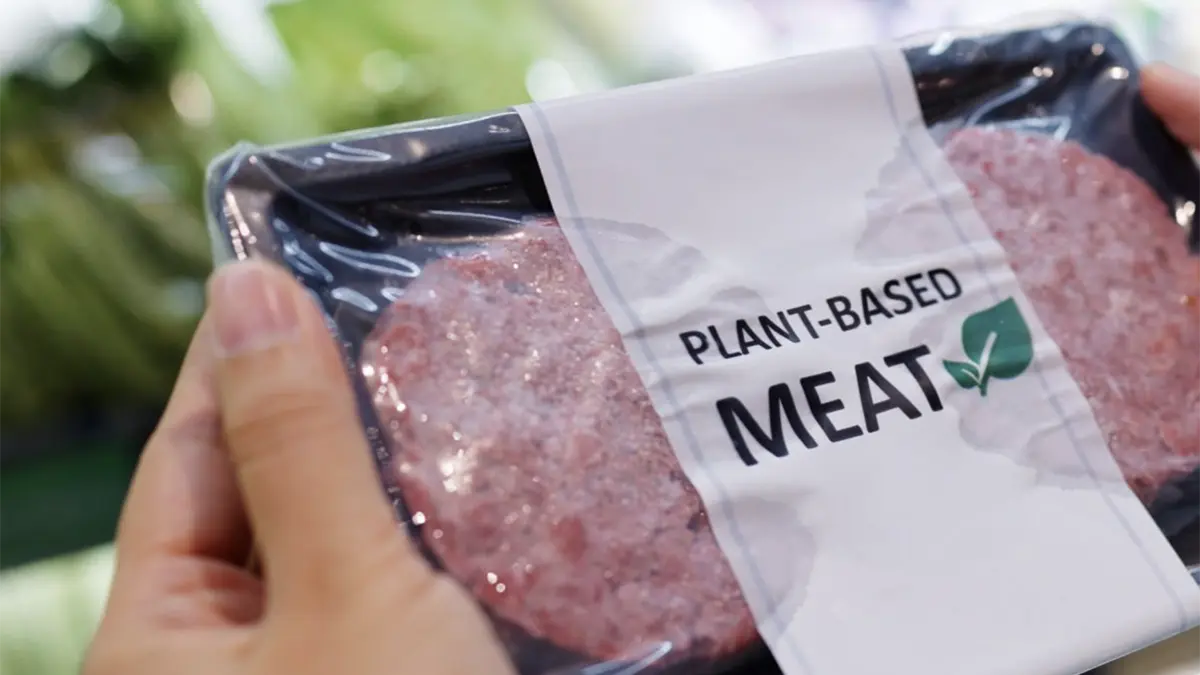
5. Sustainable Protein Does Not Automatically Mean Nutritionally Equivalent Protein
Sustainability is only one part of the food-development equation.
A successful alternative protein must also meet requirements for nutritional quality, digestibility, amino-acid composition, sensory properties, safety, functionality, shelf stability and manufacturing cost.
For example, replacing an animal protein with a plant ingredient may change essential amino-acid profiles, micronutrients, fat composition or digestibility. Processing can improve certain characteristics but may introduce additional formulation requirements.
Precision fermentation provides another route by allowing microorganisms to produce specific functional proteins or ingredients. However, fermentation-derived ingredients must still satisfy manufacturing, regulatory, safety and cost requirements before they become commercially scalable.
“Plant-based,” “fermentation-derived” and “sustainable” should not automatically be interpreted as “healthier.” Nutritional quality must be evaluated at the level of the actual product, formulation and dietary context rather than inferred solely from the production technology.
6. Why Fermentation May Become One of the Most Important Technologies in Future Protein Systems
Among the different alternative-protein platforms, fermentation is particularly important because it connects agricultural raw materials with modern biotechnology.
Traditional fermentation has been used for thousands of years, but modern systems allow much greater control over microorganisms, substrates and metabolites.
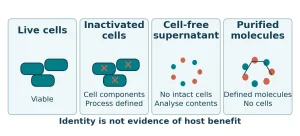
Three broad approaches can be distinguished:
Traditional fermentation uses microbial communities to transform food substrates.
Biomass fermentation grows microorganisms themselves as a protein-rich biomass.
Precision fermentation uses selected or engineered microorganisms to produce specific functional molecules.
For companies with expertise in microbial screening, strain engineering, fermentation optimization and metabolite characterization, this transition creates a direct bridge between microbiology and food manufacturing.
The long-term opportunity in alternative protein may not lie solely in manufacturing a final meat analogue. Microbial bioengineering can also contribute upstream technologies—including functional strains, fermentation processes, metabolites, enzymes, protein ingredients and bioconversion platforms—that become building blocks for many different food products.
7. The Bigger Transition: From Protein Source to Protein System
Germany and Canada illustrate two different but complementary approaches.
Germany is developing infrastructure around protein diversification, agricultural transition, research and processing. Canada’s plant-based salmon initiative demonstrates how public funding can combine multiple private-sector technologies to move a specific food concept toward commercialization.
Neither example suggests that conventional agriculture or seafood production will disappear. Instead, they show that the future protein supply is becoming more technologically diverse.
Tomorrow’s protein economy may include livestock, aquaculture, legumes, algae, microbial biomass, precision-fermentation-derived ingredients, cultivated products and hybrid foods operating within the same broader food system.
The future of protein is unlikely to be defined by a single winner. The more important transformation is the expansion of the technological toolbox used to produce nutritious food. Agriculture, microbiology, fermentation engineering and food science are increasingly becoming parts of the same integrated production system.
Further Reading
- Scientific Research Articles
- HYGEM Integrated Microbial Bioengineering Platform
- Industrial Microbiome BioSolutions
- Bioengineering & Fermentation Technology
References & Notes
- ProVeg International. German government allocation for alternative proteins in the 2024 federal budget, including reported funding for human nutrition, agricultural transition and innovative protein production and processing. 2023.
- Good Food Institute Europe. The alternative protein research ecosystem in Germany, Austria and Switzerland. Includes subsequent information on Germany’s Chancenprogramm Höfe and alternative-protein research funding.
- German Federal Ministry of Food and Agriculture. Protein Crop Strategy. Describes Germany’s strategy for expanding domestic protein crops, research and regional value chains.
- Protein Industries Canada. Trio of Canadian companies set to revolutionize plant-based food market with plant-based salmon fillet. Original project announcement, November 2023.
- Protein Industries Canada. Commercializing a whole muscle-cut of plant-based salmon. Updated project record describing project timeline, commercialization activities and subsequent project outcomes.
Disclaimer: This article is intended for scientific education, food-technology discussion and industry analysis. Public funding programs, investment amounts, project status and regulatory frameworks may change over time. Sustainability, nutritional quality and environmental impact vary substantially among production systems and individual products. References to plant-based, fermentation-derived or cultivated foods should therefore not be interpreted as a universal claim that one production pathway is nutritionally or environmentally superior under all conditions.