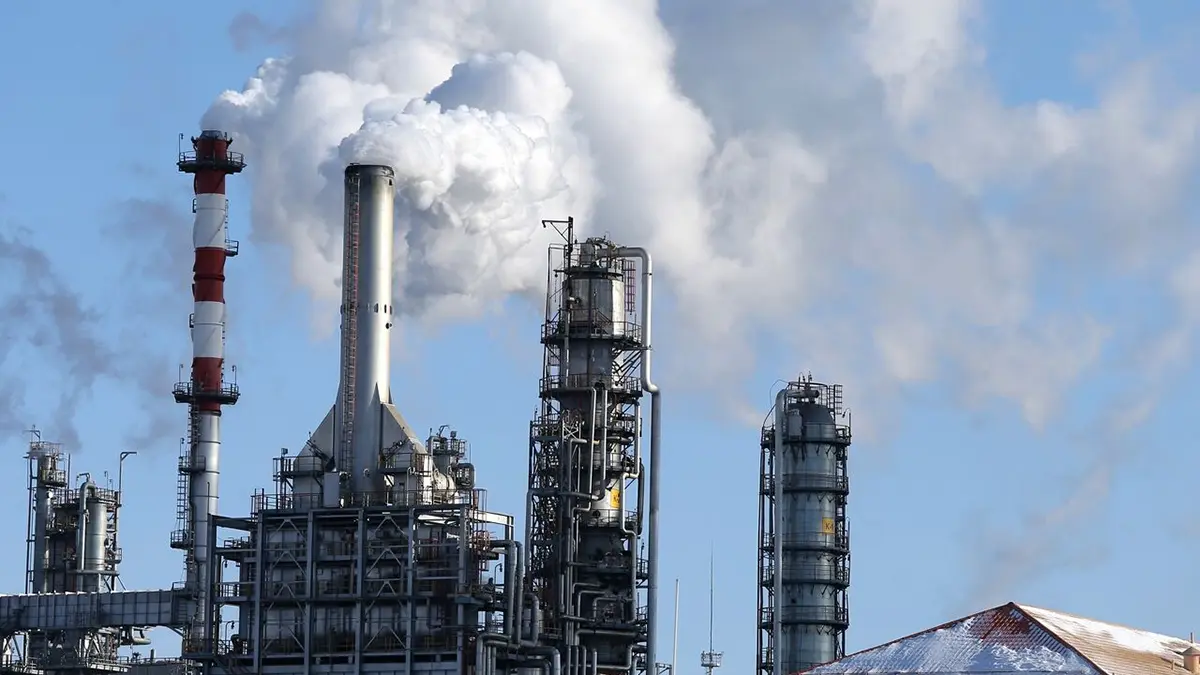

Beyond energy and emissions, COP28 brought food systems, health, finance and nature into sharper focus. This matters because the climate crisis is not only an atmospheric problem. It is also a food security problem, a public health problem, a soil and water problem, and a production resilience problem. Agriculture both contributes to climate pressure and suffers from it. Methane from livestock, nitrous oxide from fertilizer use, soil degradation, drought, flooding and heat stress all connect climate action directly with the future of food production.
For HYGEM / GEMBIOZ, COP28 provides a strategic lens for understanding sustainability. Climate action is not only about reducing emissions at the policy level. It also requires practical biological tools that can support climate-smart agriculture, livestock resilience, soil health, nutrient efficiency, water stability and field-validated BioSolutions.
1. Why COP28 Matters for Food, Agriculture and Sustainability
 The central climate goal remains limiting global warming to 1.5 degrees Celsius above pre-industrial levels. This target is not only an environmental number. It is deeply connected with food production, agricultural stability, water availability and human health.
Agriculture is vulnerable to climate change through drought, heat stress, flooding, pest expansion and soil degradation. At the same time, agriculture contributes to greenhouse gas emissions through methane from livestock systems, nitrous oxide associated with fertilizer use, land-use change and energy-intensive supply chains. This dual role makes food systems one of the most important areas for climate transition.
COP28 increased attention on food and agriculture, including the relationship between climate action and food security. For global agricultural and biotechnology companies, this means sustainability can no longer be treated as a separate ESG topic. It must become part of product development, field validation, customer education and long-term market strategy.
2. The Global Stocktake: A Reality Check for Climate Progress
One of the defining features of COP28 was the first Global Stocktake under the Paris Agreement. The Global Stocktake is designed to assess collective progress toward the goals of the Paris Agreement and to inform stronger climate action in the next round of national commitments.
The message is clear: current efforts remain insufficient to keep the world fully aligned with the 1.5 degrees Celsius pathway. This does not mean climate action has failed. It means that the next stage must become more practical, measurable and implementation-oriented.
For agriculture and biotechnology, the Global Stocktake creates pressure to move from broad sustainability language toward measurable climate-related indicators: methane pressure, nitrous oxide risk, soil carbon, water efficiency, nutrient efficiency, yield stability and resilience under stress.
3. Food Systems: The Missing Link Between Climate and Daily Life
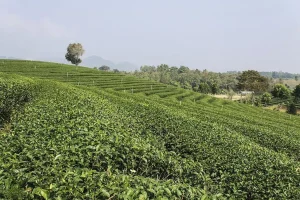
Food systems are where climate change becomes visible in daily life. Heatwaves reduce yields. Drought limits water availability. Floods disrupt crops and supply chains. Livestock systems face thermal stress and disease pressure. Farmers and consumers both experience the consequences through unstable production and food prices.
At COP28, food systems gained stronger attention because they connect climate, livelihoods, nutrition and land use. Sustainable agriculture is no longer only about producing more food. It is about producing food in ways that are more resilient, resource-efficient and environmentally responsible.
Microbial technologies can contribute to this transition when properly validated. Soil microbiome management may support nutrient cycling, root vitality and soil health. Animal microbiome strategies may support feed efficiency and methane-aware nutrition. Fermentation and postbiotic technologies may improve stability and application practicality in livestock, aquaculture and crop production systems.
4. Health and Climate: A Shared Biological System
COP28 also highlighted the connection between health and climate. Heatwaves, floods, droughts, air pollution and changing disease patterns are affecting human health worldwide. Climate change can alter the distribution of vector-borne diseases, increase heat-related risks and intensify food and water insecurity.
For HYGEM, this health-climate connection reinforces the importance of biological resilience. In agriculture and animal production, microbial technologies should not be framed as medical solutions. Instead, they should be positioned as tools that may support healthier production ecosystems: more stable soils, more resilient animals, better water quality, reduced environmental pressure and improved consistency under validated conditions.
5. Loss and Damage Finance: Trust Between Vulnerable and Wealthier Nations
One of the early developments at COP28 was progress on operationalizing the Loss and Damage Fund. The purpose of this fund is to support vulnerable developing countries affected by climate-related loss and damage, including extreme weather events and long-term climate impacts.
While initial funding levels and governance questions remain subjects of debate, the fund represents an important trust-building step between wealthier and more vulnerable nations. It also reminds the private sector that climate responsibility is not only about future innovation. It is also about recognizing real damage already occurring in communities, farms and ecosystems.
6. Methane Reduction and Agricultural Transition
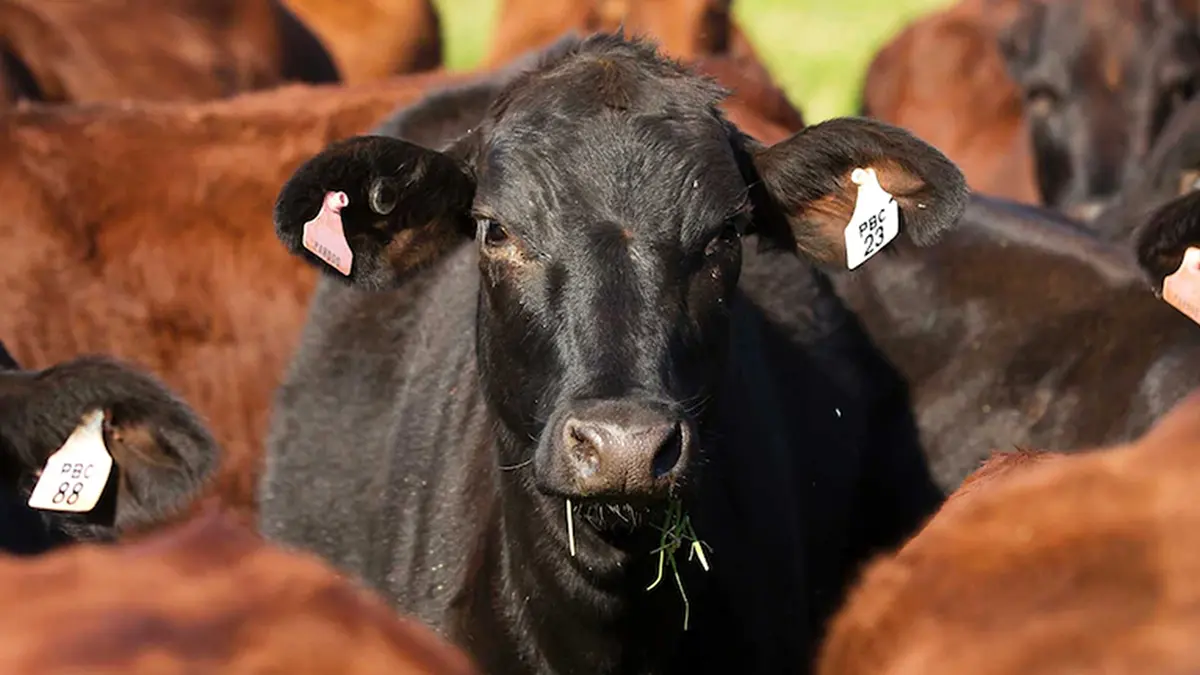 Methane is a powerful greenhouse gas and a priority area for near-term climate action. At COP28, methane reduction remained central to discussions involving energy, livestock, waste and food systems. In the United States, new rules targeting methane emissions from the oil and gas sector were announced during the COP28 period, reflecting growing regulatory momentum around methane control.
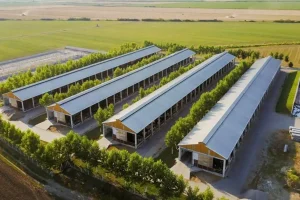
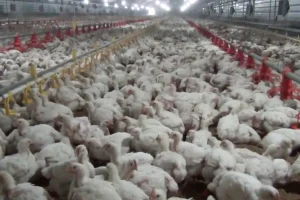
Agriculture also has a methane challenge, especially in ruminant livestock systems and manure management. Microbial and fermentation technologies cannot be described as guaranteed methane elimination tools, but they may contribute to methane-aware nutrition, rumen microbiome research, feed efficiency strategies and biological approaches to manure or waste management under validated conditions.
7. HYGEM / GEMBIOZ Perspective: From Climate Commitments to Biological Implementation
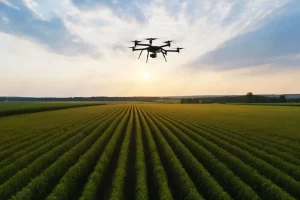
COP28 shows that climate action must move from declarations to implementation. For agriculture and food systems, implementation requires measurable tools that can work under real production conditions.
HYGEM / GEMBIOZ can position microbial BioSolutions as part of this implementation layer. The platform can connect strain discovery, functional screening, fermentation engineering, postbiotic development, soil and animal microbiome management, field validation and sustainability metrics.
| Climate Challenge | Microbial BioSolutions Direction | Measurable Validation Indicators |
|---|---|---|
| Soil Degradation | Soil microbiome management, organic matter transformation, plant root support | Soil organic carbon, microbial diversity, nutrient availability, root vitality |
| Methane and Feed Efficiency | Rumen microbiome research, feed fermentation, postbiotic and metabolite strategies | Feed conversion, methane-related indicators, volatile fatty acid profile, animal resilience |
| Nitrogen Pressure | Microbial nutrient cycling, fertilizer-efficiency support, waste transformation | Nitrogen-use efficiency, nitrous oxide risk indicators, soil nitrate, crop uptake |
| Water Stress | Rhizosphere microbiome, root vitality, soil structure and water-retention support | Soil moisture, plant stress markers, yield stability, water-use efficiency |
| Field Adoption | Application protocols, training, field trials and KPI tracking | Customer adoption, ROI, consistency across farms, validated field reports |
Conclusion: The Earth Does Not Belong to Us, But We All Belong to the Earth
The message behind COP28 is not only political. It is biological, agricultural and deeply human. Climate change connects the atmosphere, soil, water, food, health, animals, crops and communities. No single technology can solve it alone. But each scientifically validated tool can contribute to a more resilient system.
HYGEM / GEMBIOZ sees climate action as a practical BioSolutions challenge. Through microbial technology, sustainable agriculture, field validation and international B2B cooperation, the company can support the transition from climate commitment to biological implementation.
The earth does not belong to us, but we all belong to the earth. The next stage of climate action will depend on whether science, industry and agriculture can work together to rebuild resilience from the soil upward.
Further Reading
- Microorganisms in Sustainable Agriculture: Harnessing the Power of Beneficial Microbes
- Sustainable Microbial Technologies for Lower Emissions and Better Resource Use
- Position & Policy
Scientific References / Disclaimer
Reference directions include UNFCCC COP28 official documents, the COP28 UAE Consensus, Global Stocktake materials under the Paris Agreement, FAO climate-smart agriculture resources, WHO climate and health resources, IPCC climate assessment reports, and international reports on food systems, methane reduction, sustainable agriculture and climate finance.
Scientific reference directions also include peer-reviewed studies on livestock methane, nitrous oxide from fertilizer use, soil carbon, regenerative agriculture, microbial nutrient cycling, soil microbiomes, rumen microbiomes, climate-smart agriculture and sustainable food systems.
Disclaimer: This article is intended for sustainability communication and educational purposes only. HYGEM / GEMBIOZ microbiome technologies are positioned as climate-smart agriculture and biological resilience support tools. They should not be interpreted as guaranteed emission reduction, guaranteed carbon sequestration, regulatory approval, or replacement for national climate policy, farm management, official reporting, or field validation.