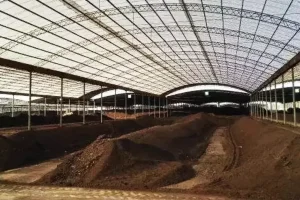
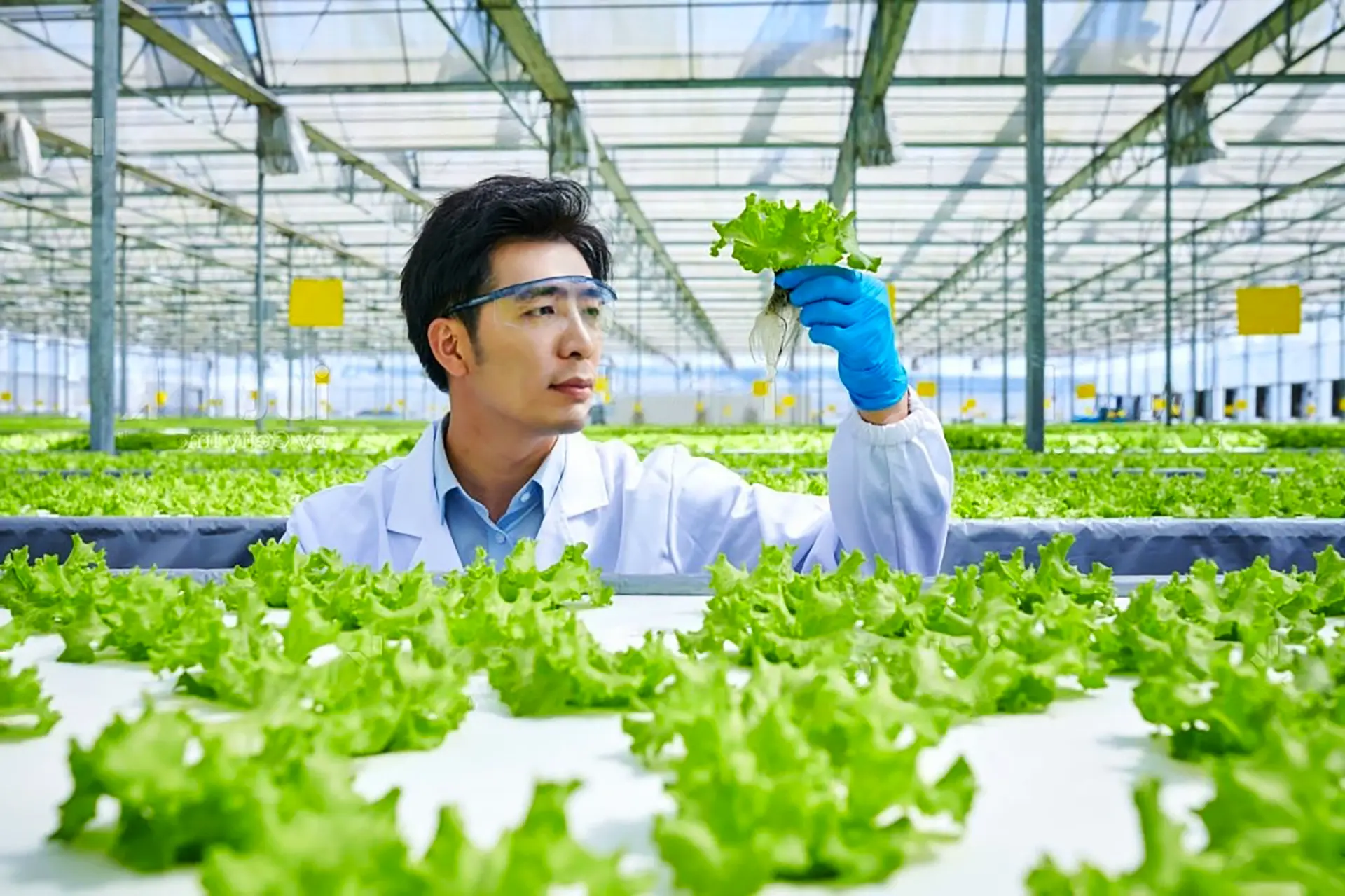
Experiment Station
Practice is the only way to verify the truth.
Microorganisms are wonderful creatures of nature with huge hidden potential.
To unlock the treasures of this microscopic world, we have rigorously established microorganism Application Experimental Station (AES)worldwide, tailored to local conditions. These stations not only feature cutting-edge equipment but also boast a passionate and creative research team. Our goal is to validate and thoroughly study the functions and effects of microorganisms through practical applications across various fields, including environmental protection, agriculture, industrial production, and human health. It is only through hands-on exploration that we can reveal the wonders of microorganisms and provide more solutions for future challenges. Join us in this journey of practice and discovery to explore the limitless possibilities of microorganisms.
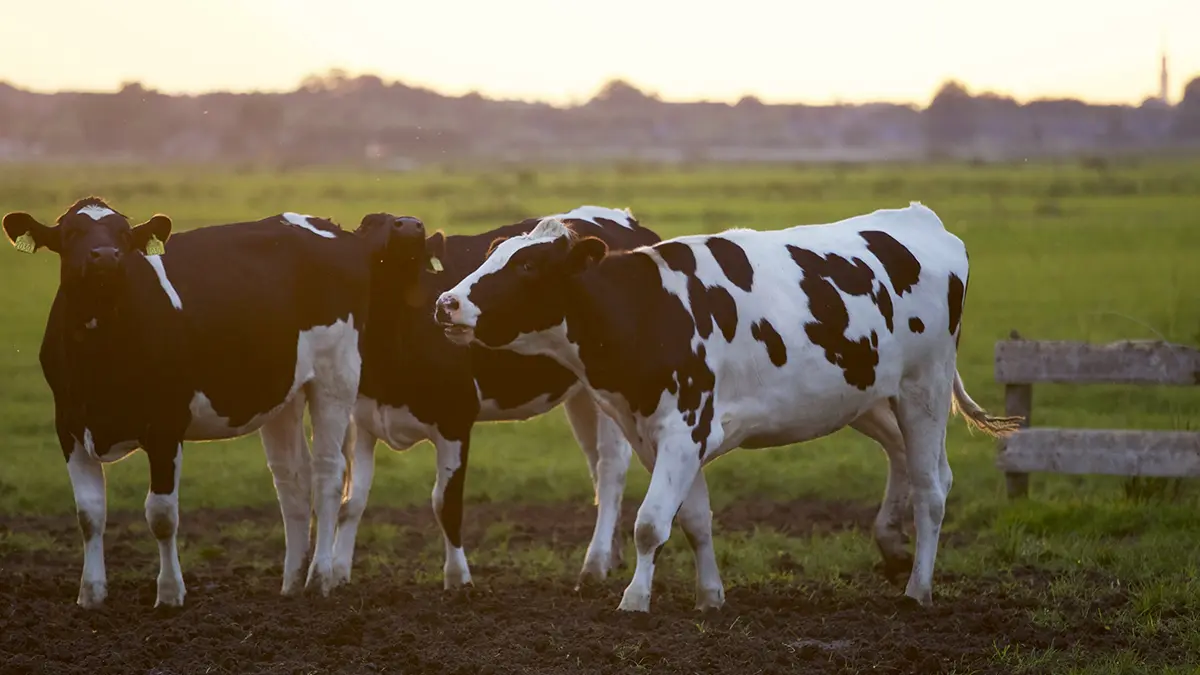
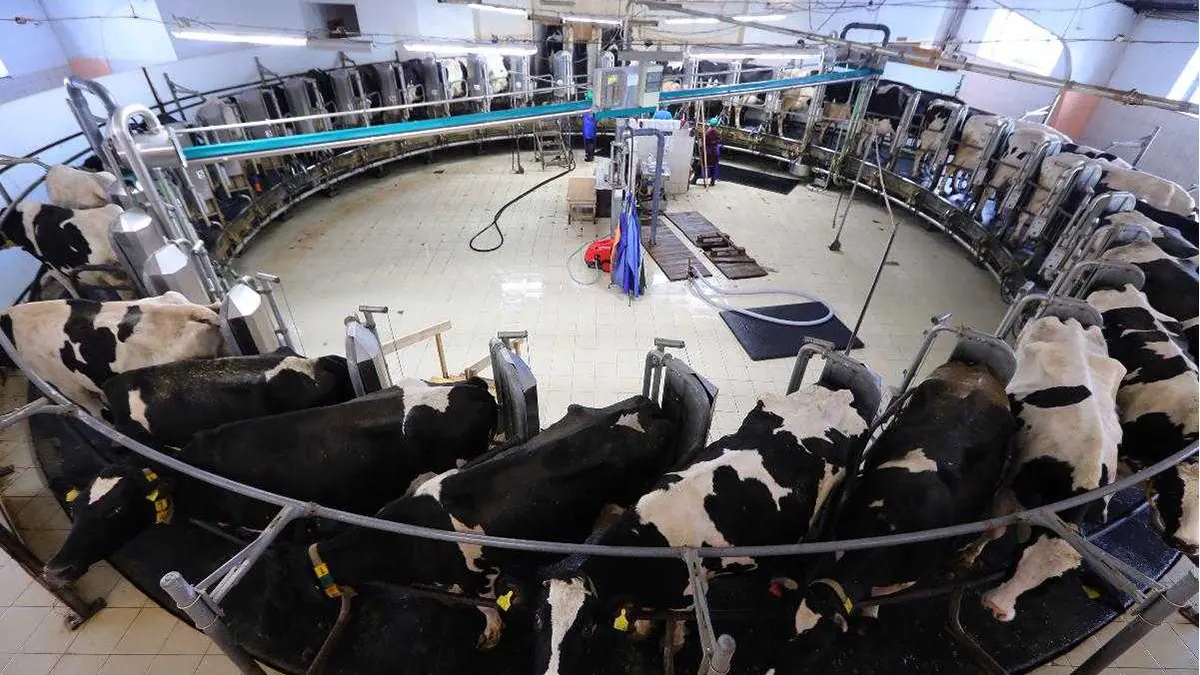
Ruminant AES
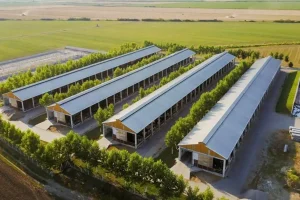
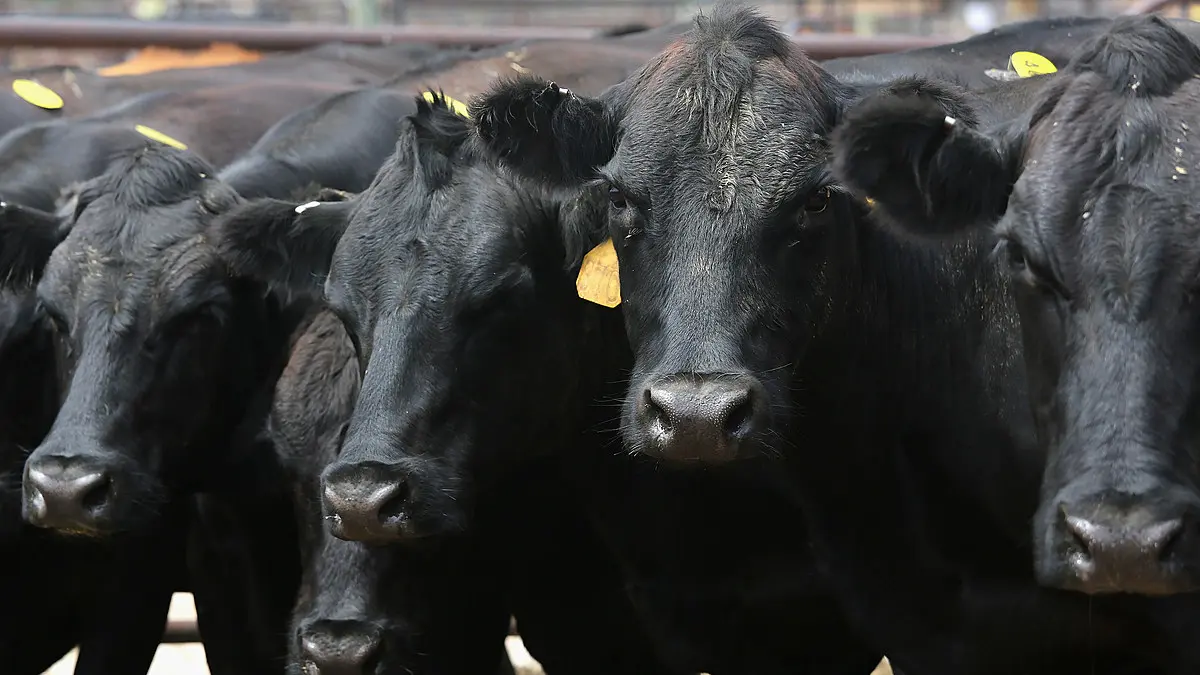
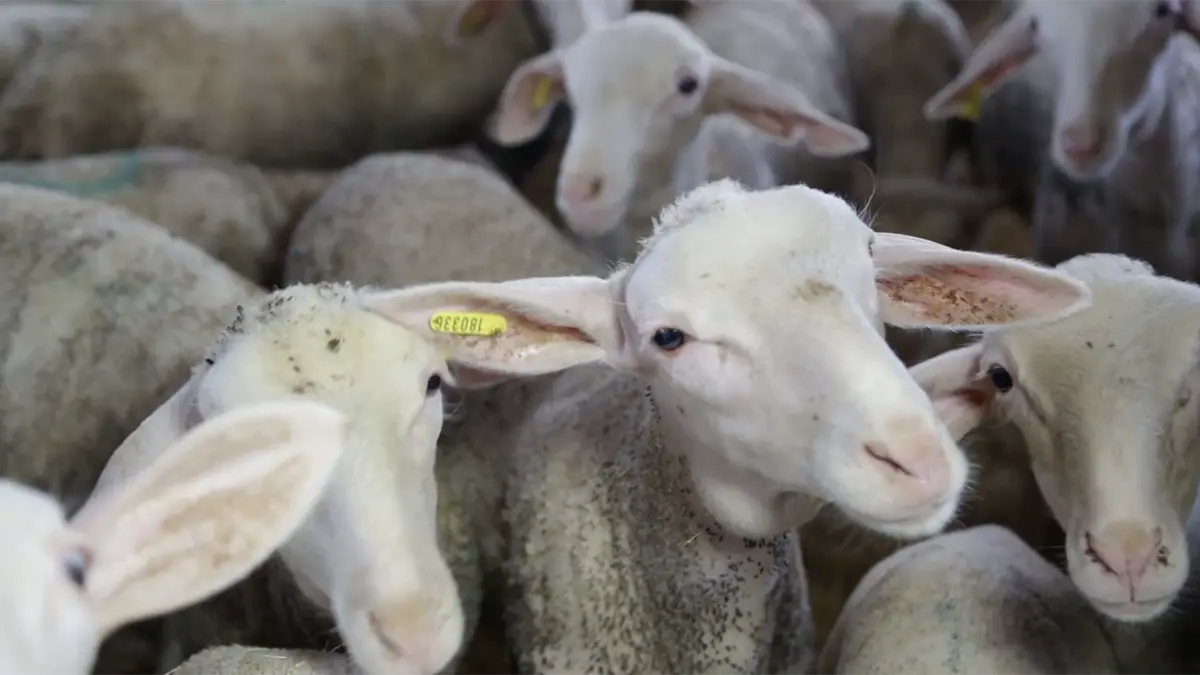
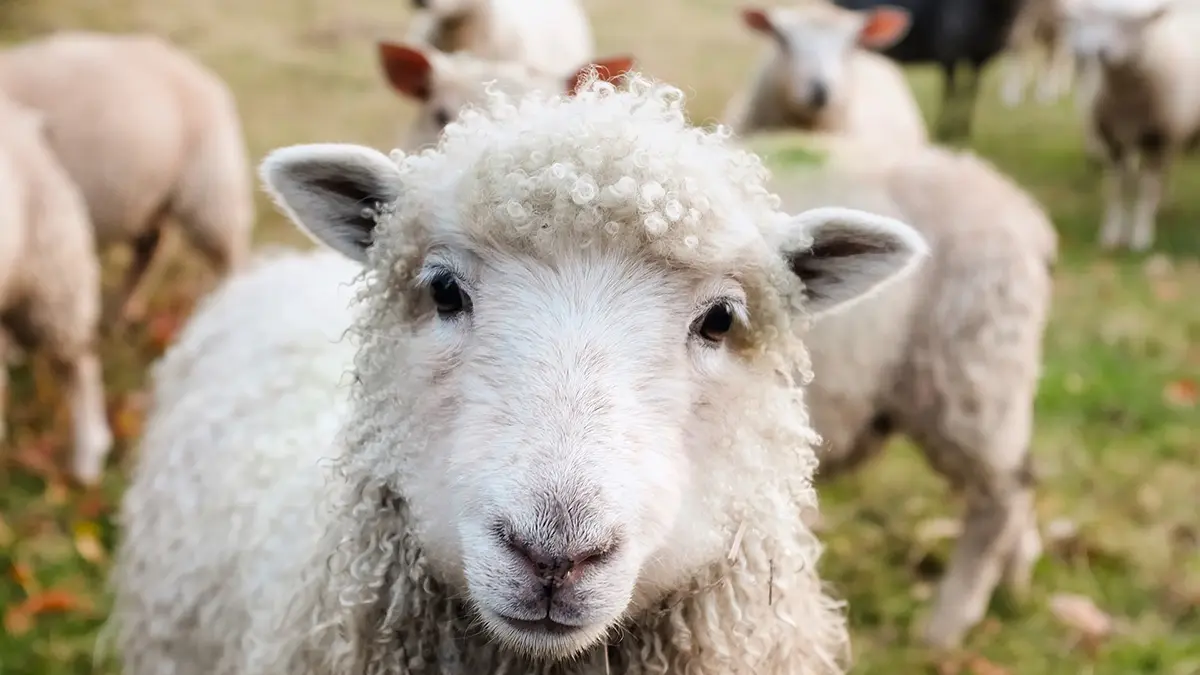
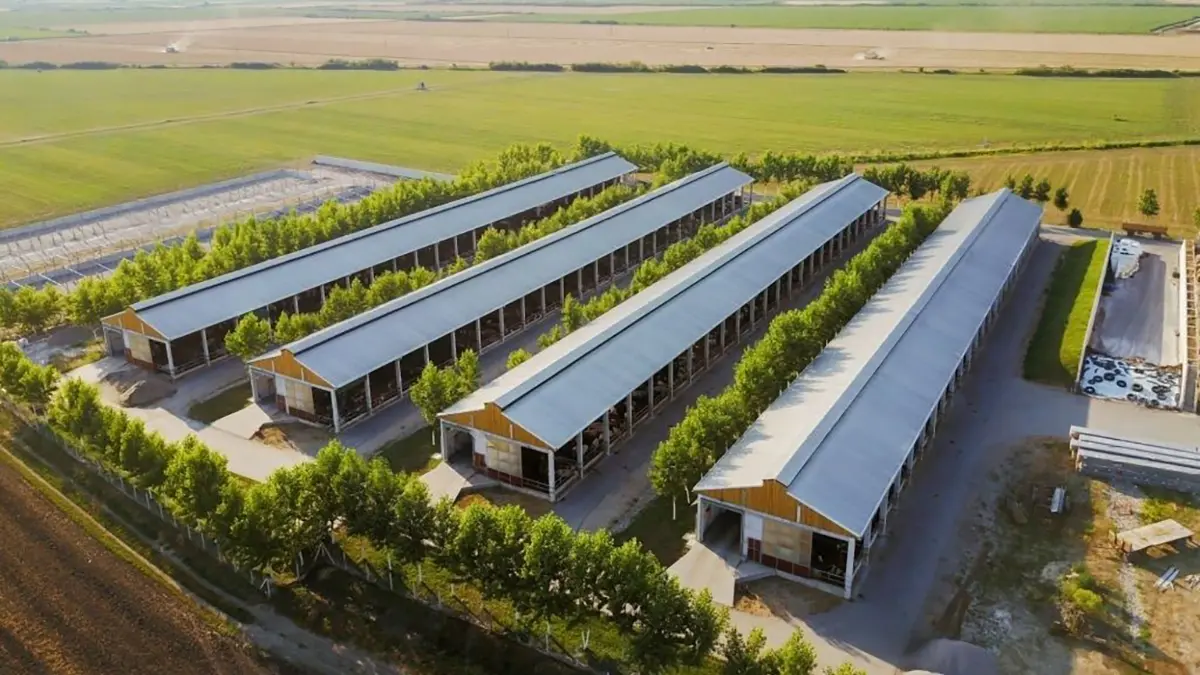
Our Ruminant Application Experimental Station is dedicated to researching and optimizing the feeding and nutrition programs for ruminant animals. Using advanced technology and scientific methods, we enhance the health and productivity of cattle, sheep, and other ruminants, promoting the sustainable development of modern animal husbandry.

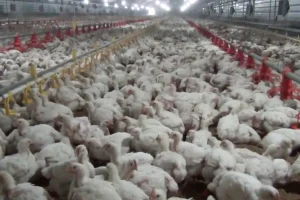
Avian AES
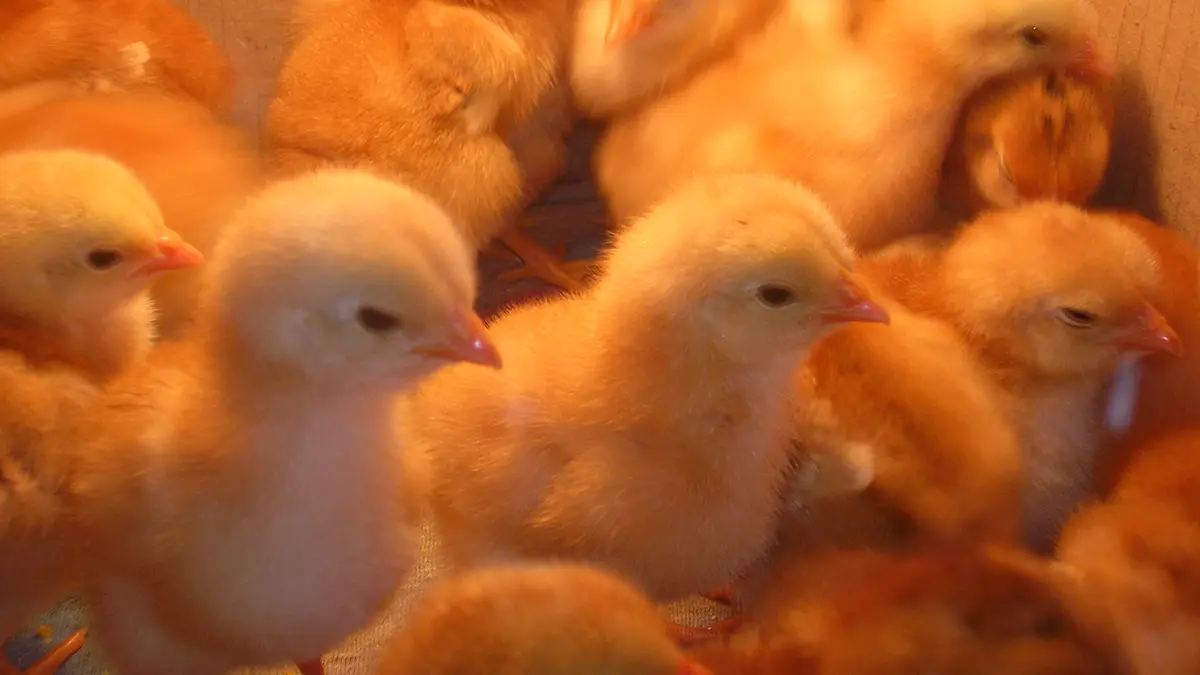
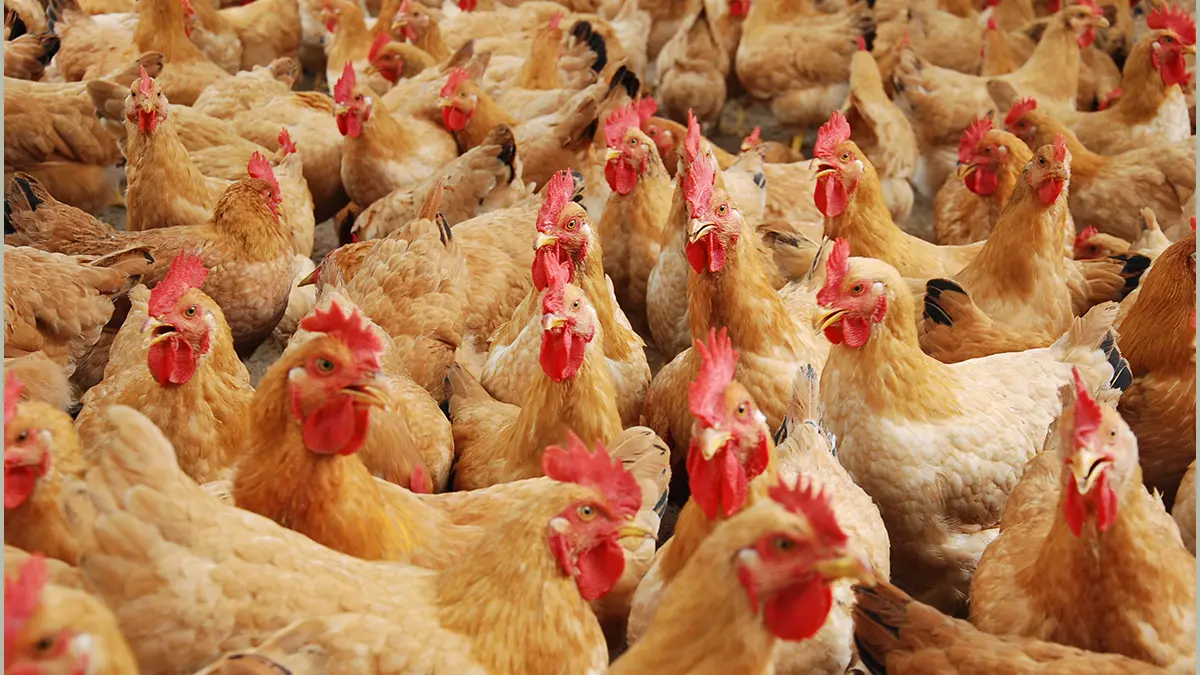
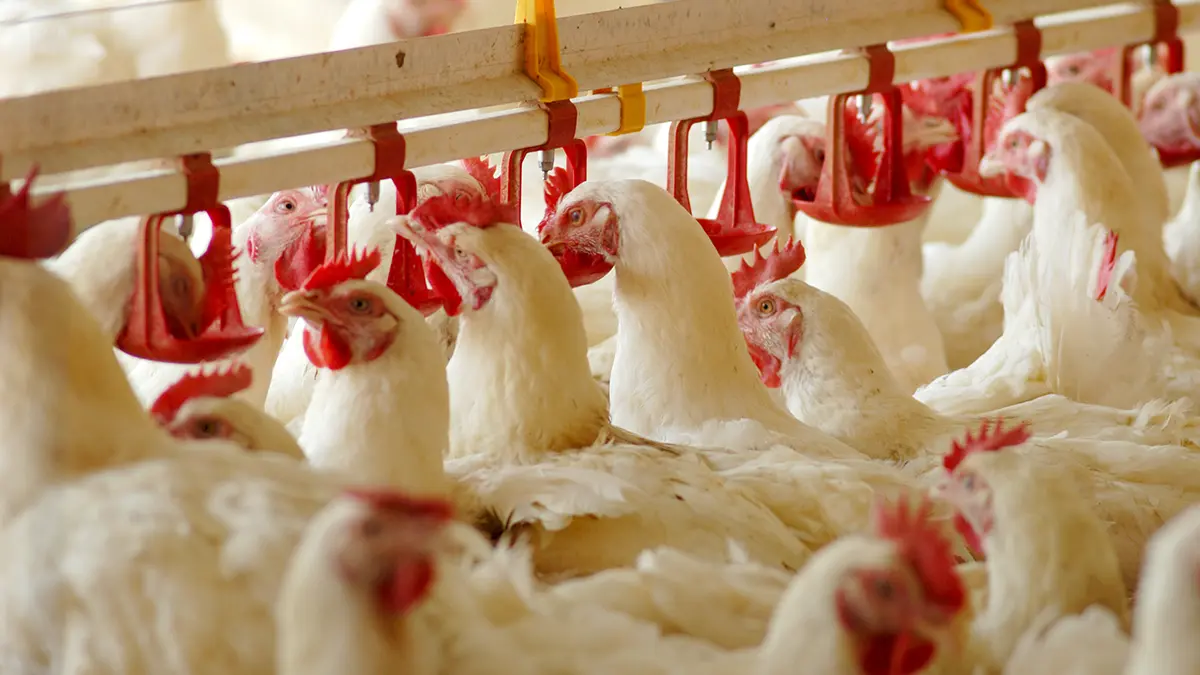
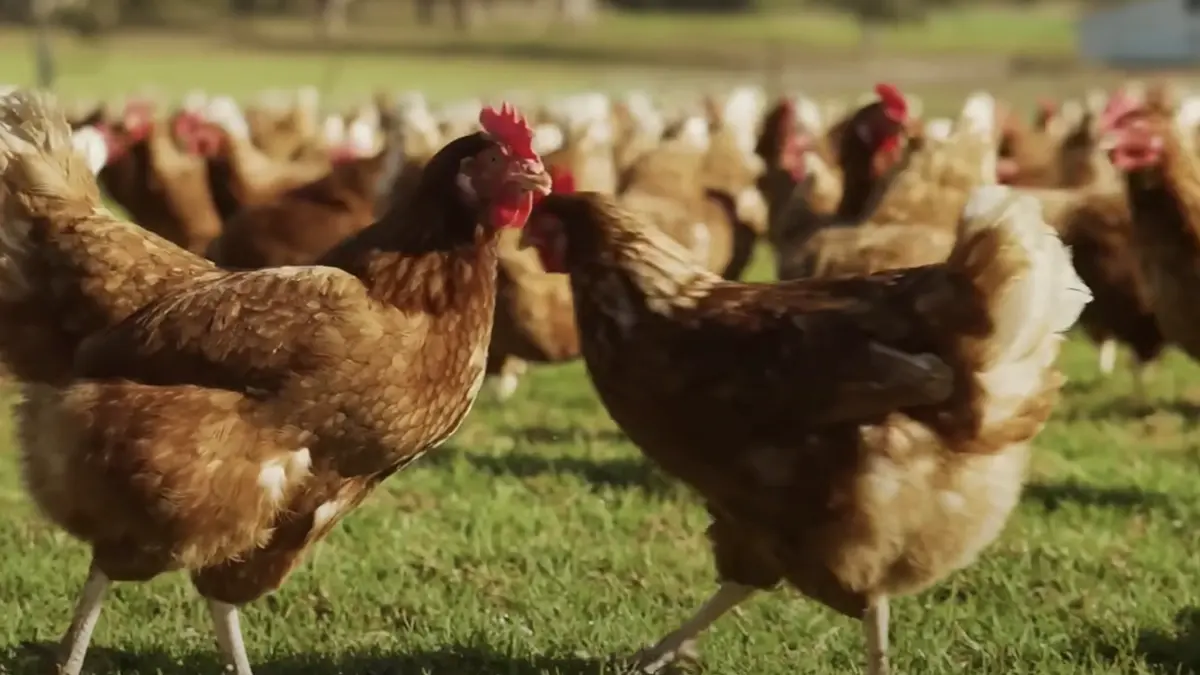
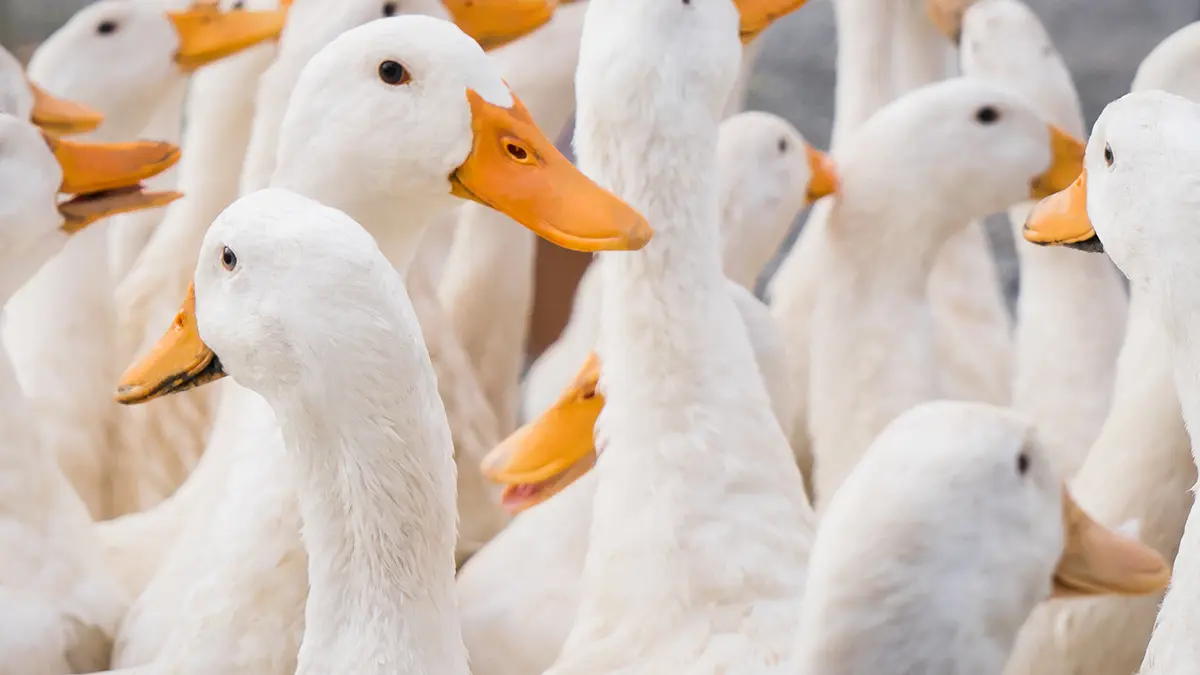
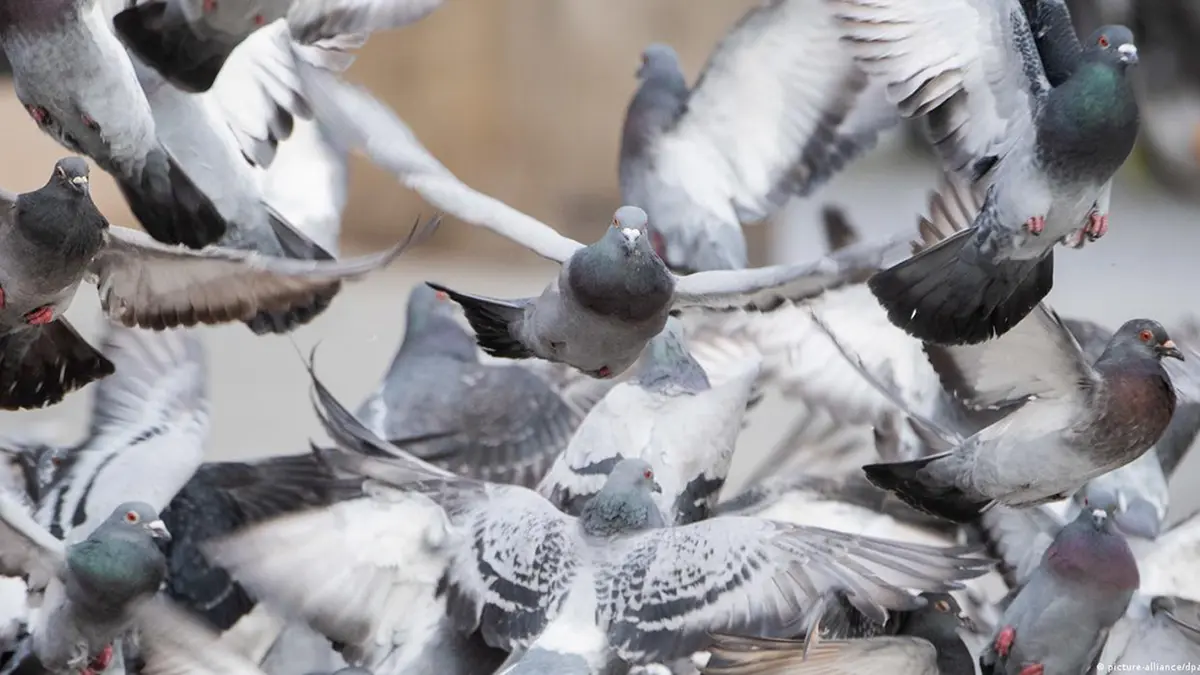
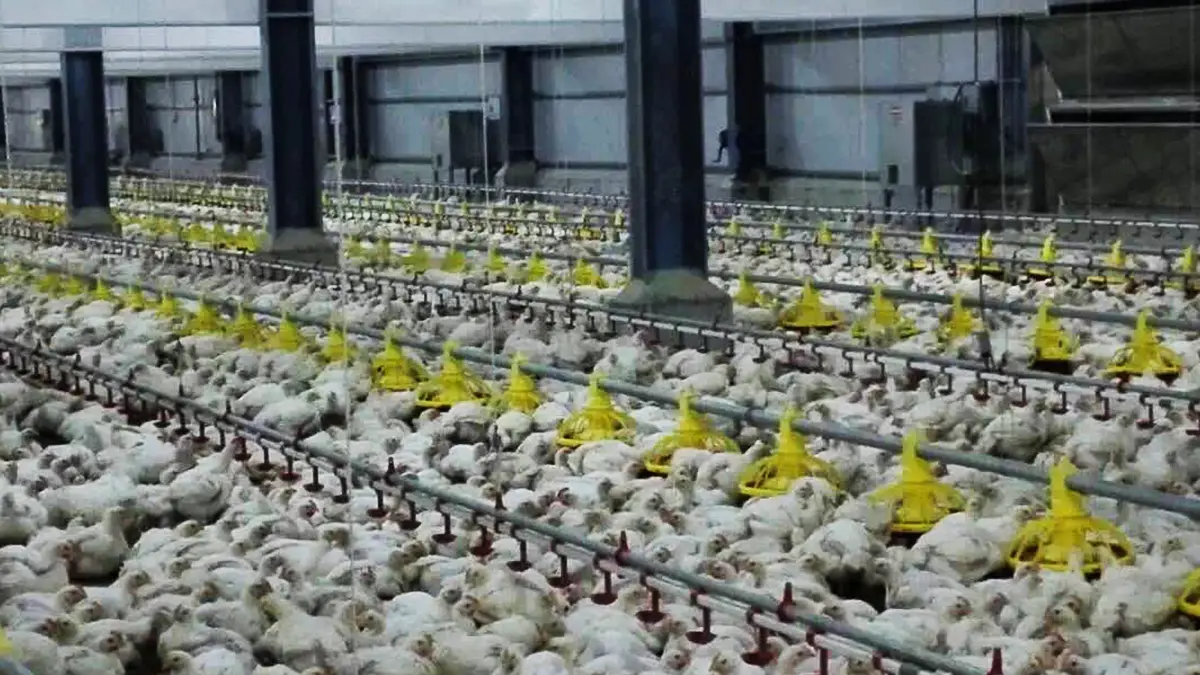
The Poultry Application Experimental Station focuses on studying the growth environments and nutritional needs of poultry such as chickens, ducks, and geese. Our aim is to improve egg production rates, feed conversion efficiency, and overall health of poultry, providing scientific bases and innovative solutions for poultry farmers.

Swine AES
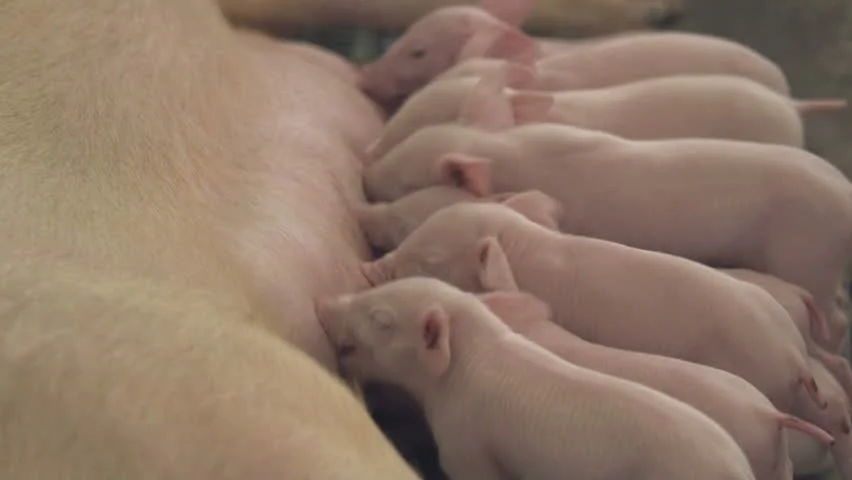
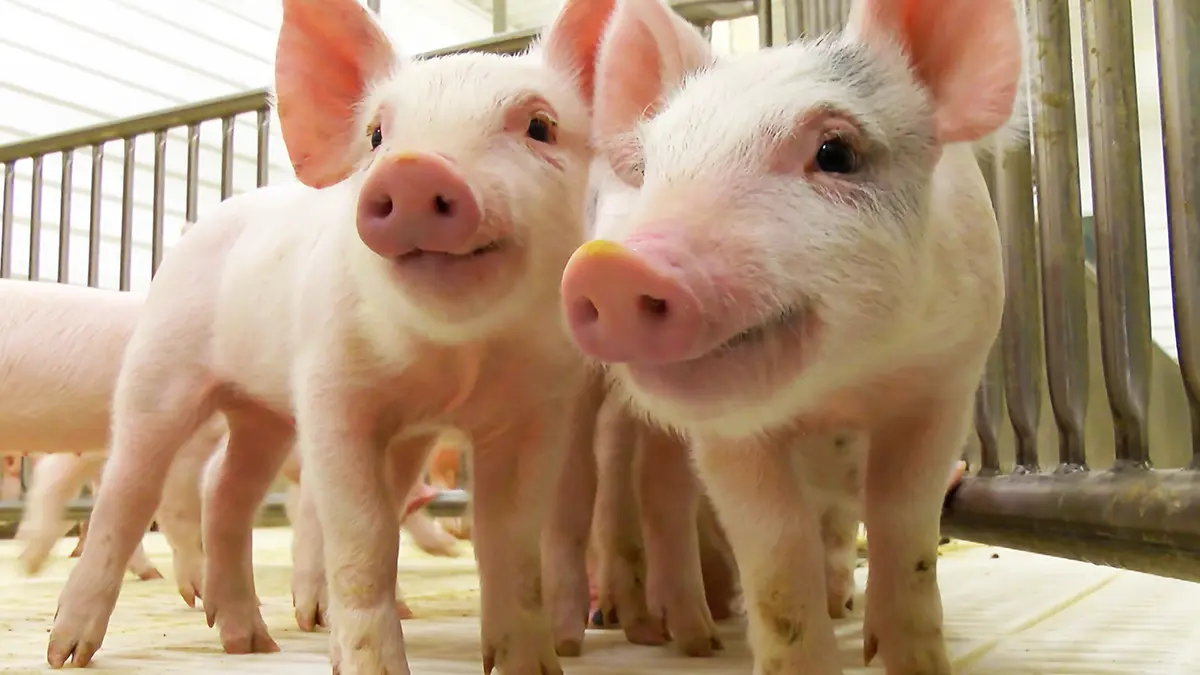
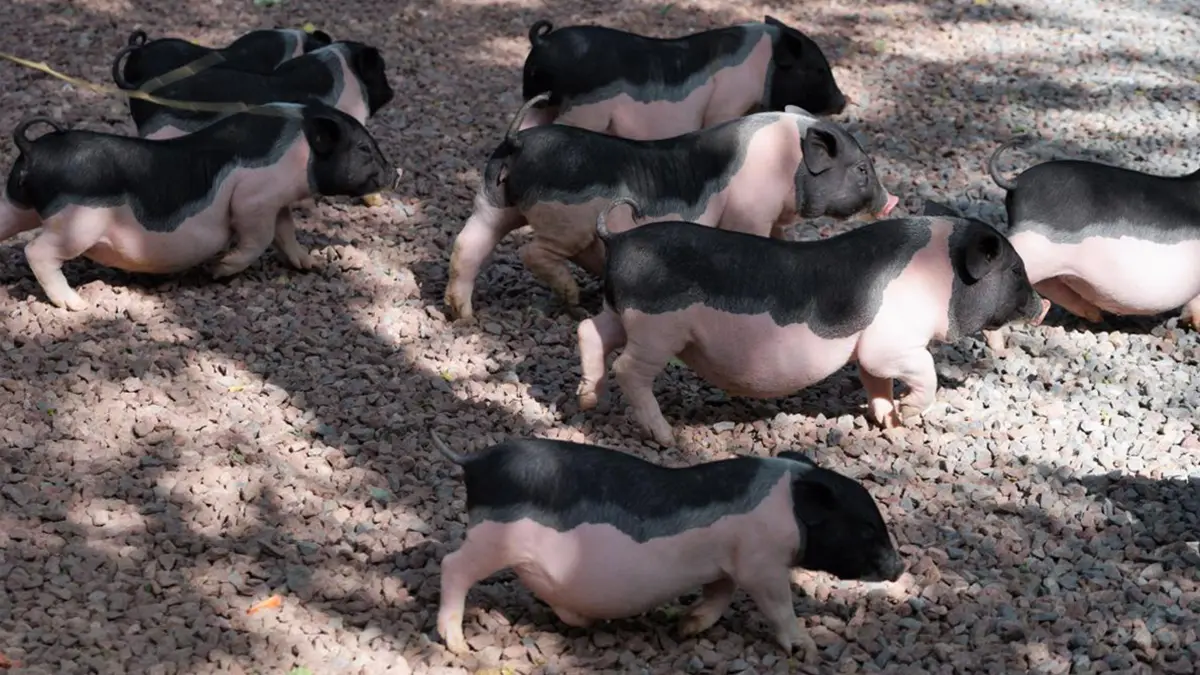
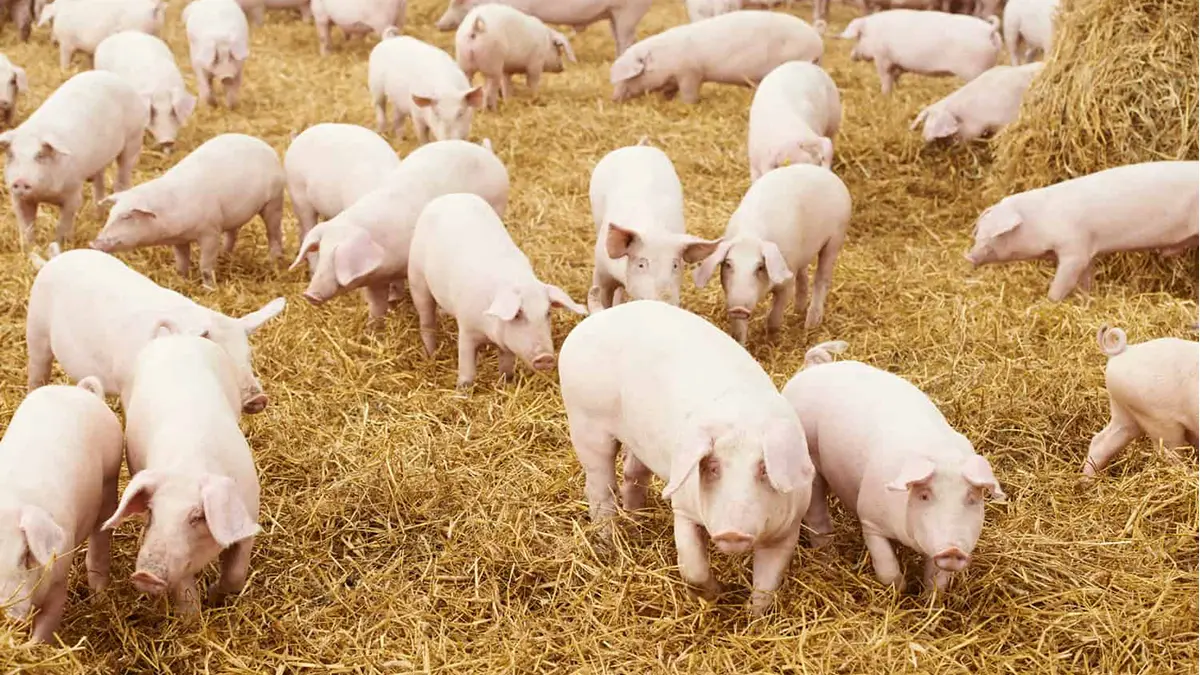
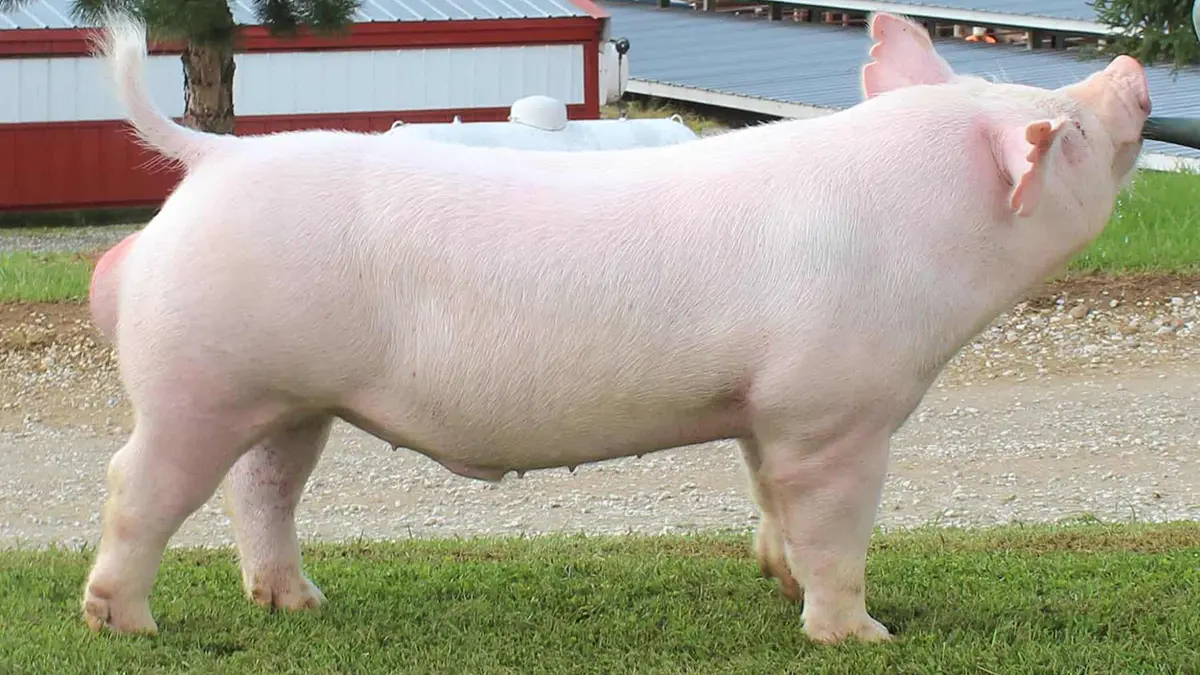
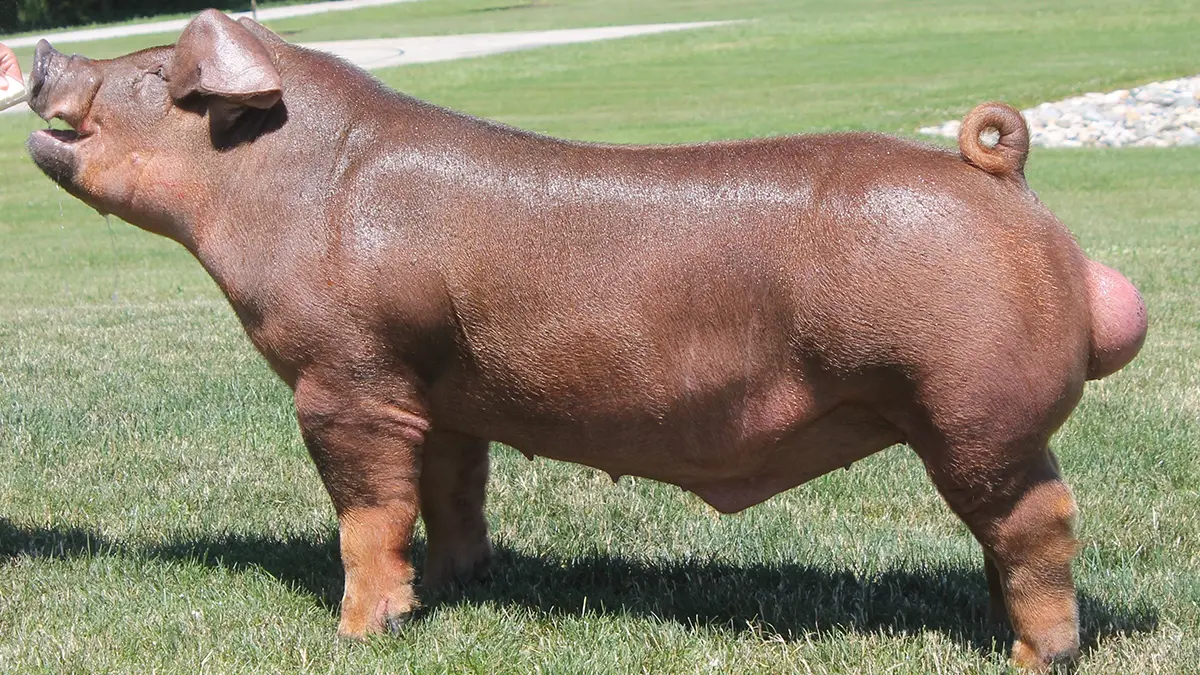
The livestock experimental base covers feeding techniques and health management research on different breeds of livestock such as piglets, sows, and boars. Through scientific experiments and data analysis, it optimizes livestock production performance and health conditions, facilitating the efficient development and economic benefits of the animal husbandry industry.
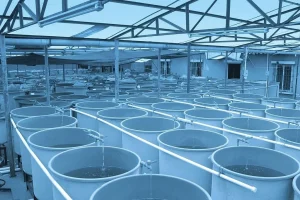
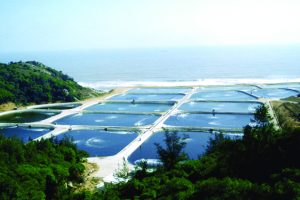
Aquaculture AES
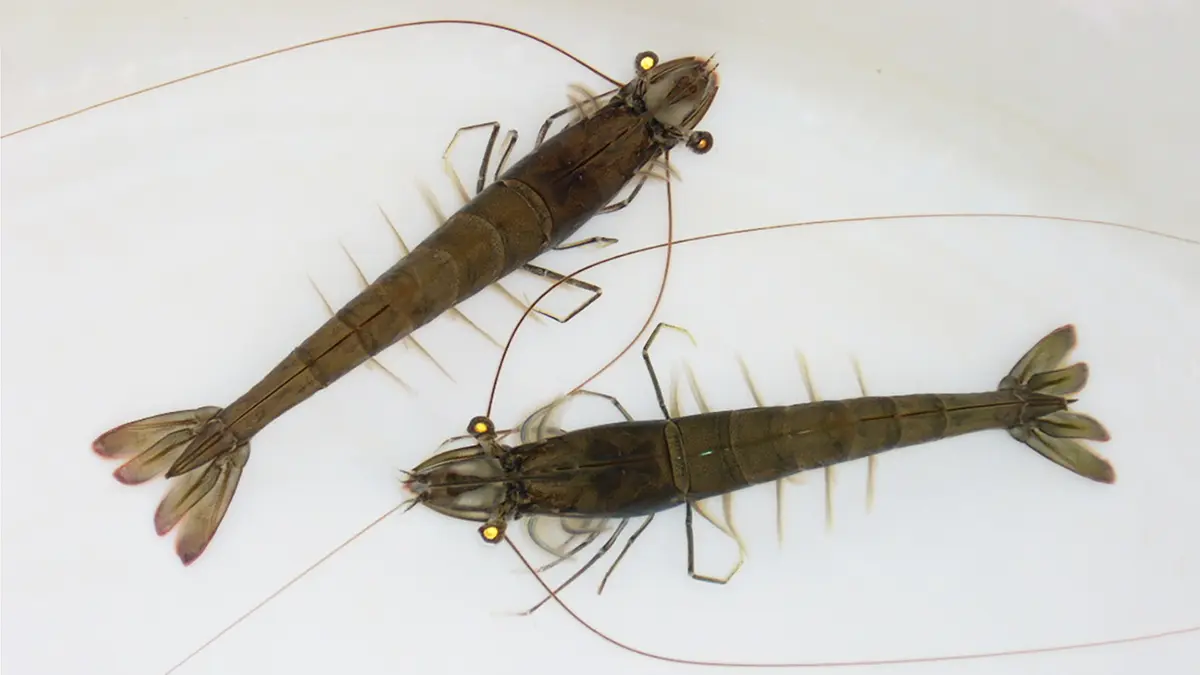
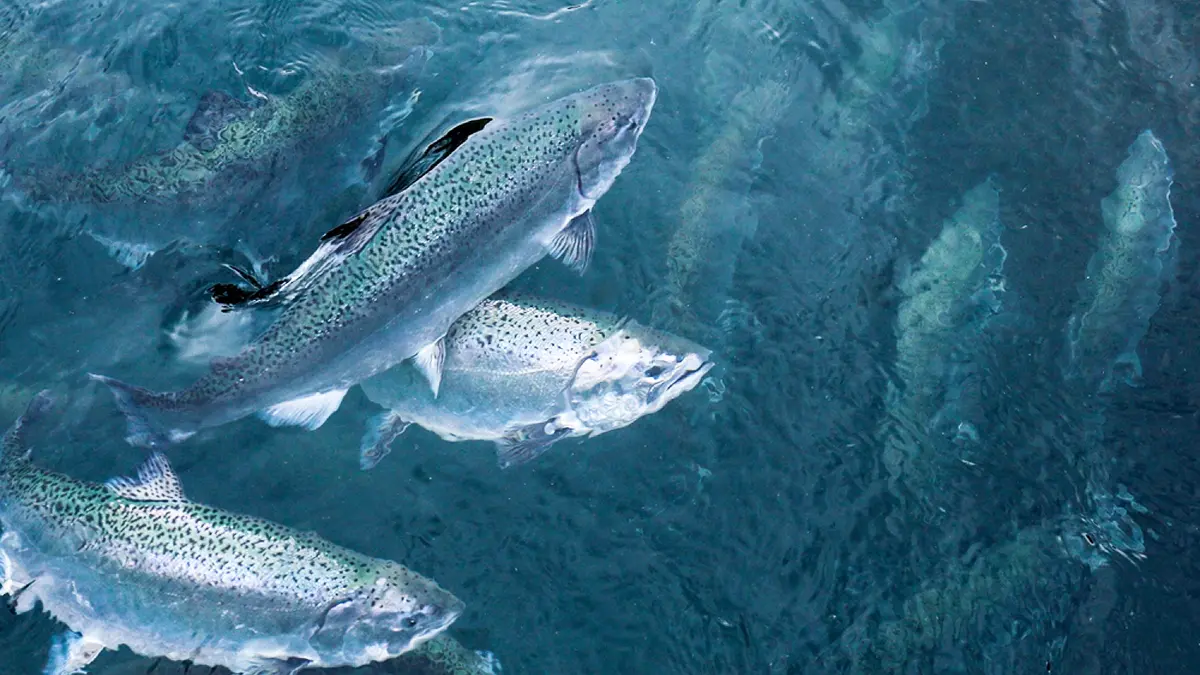
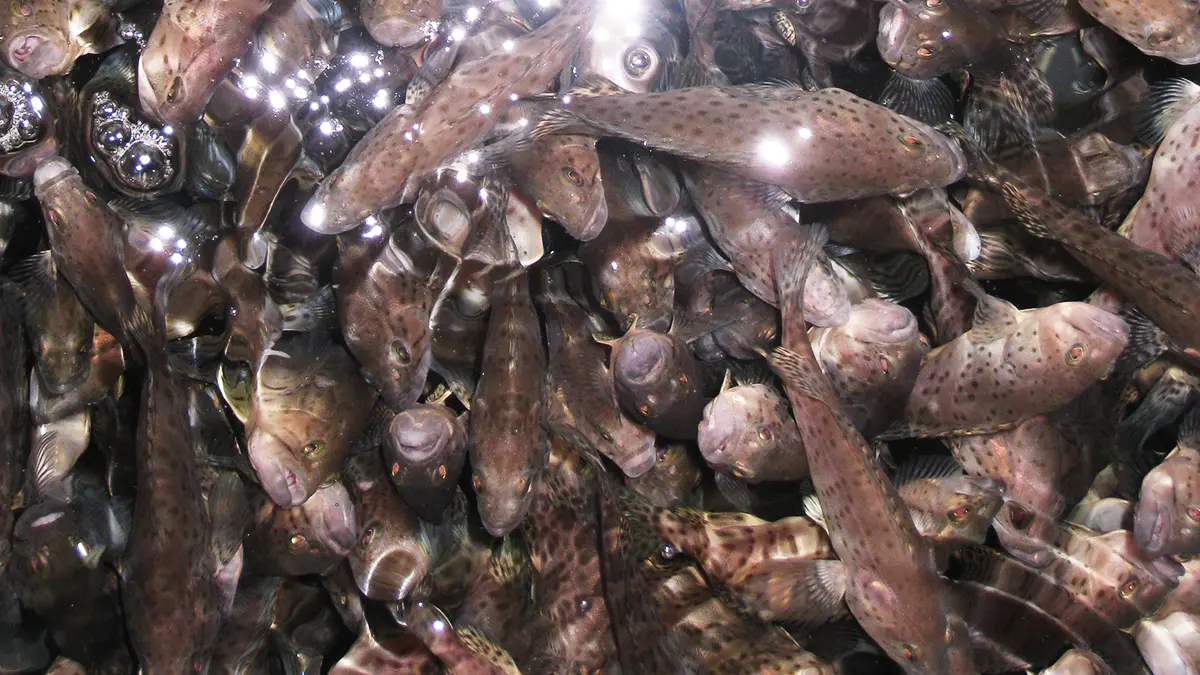
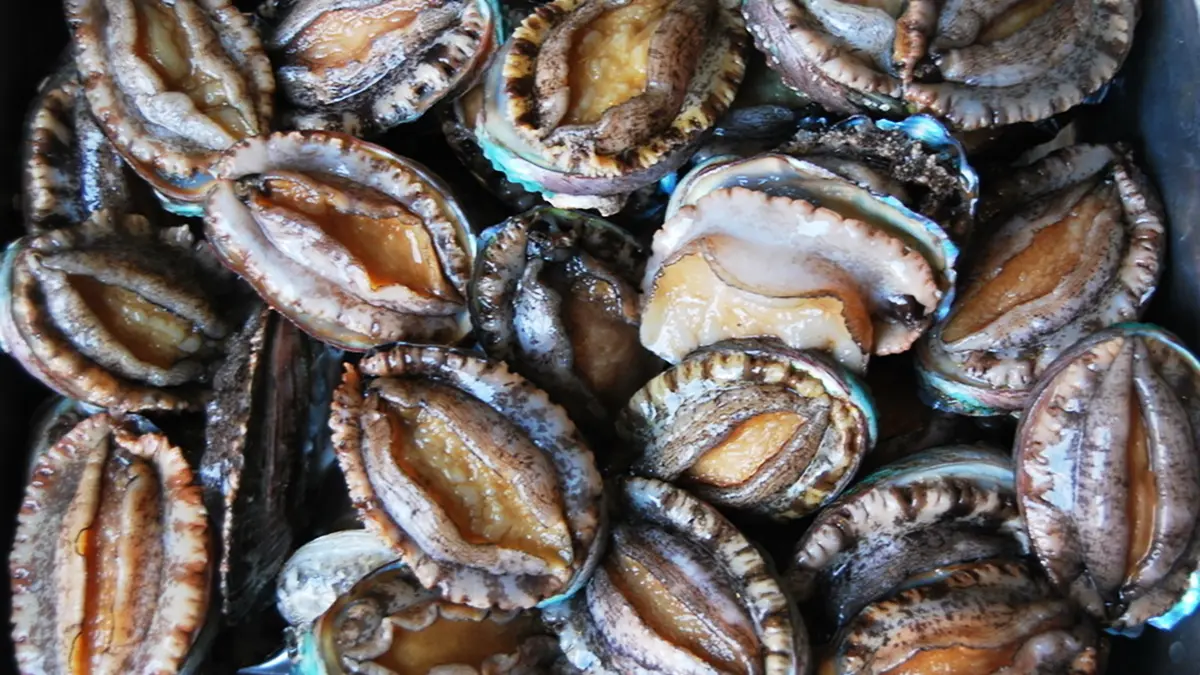
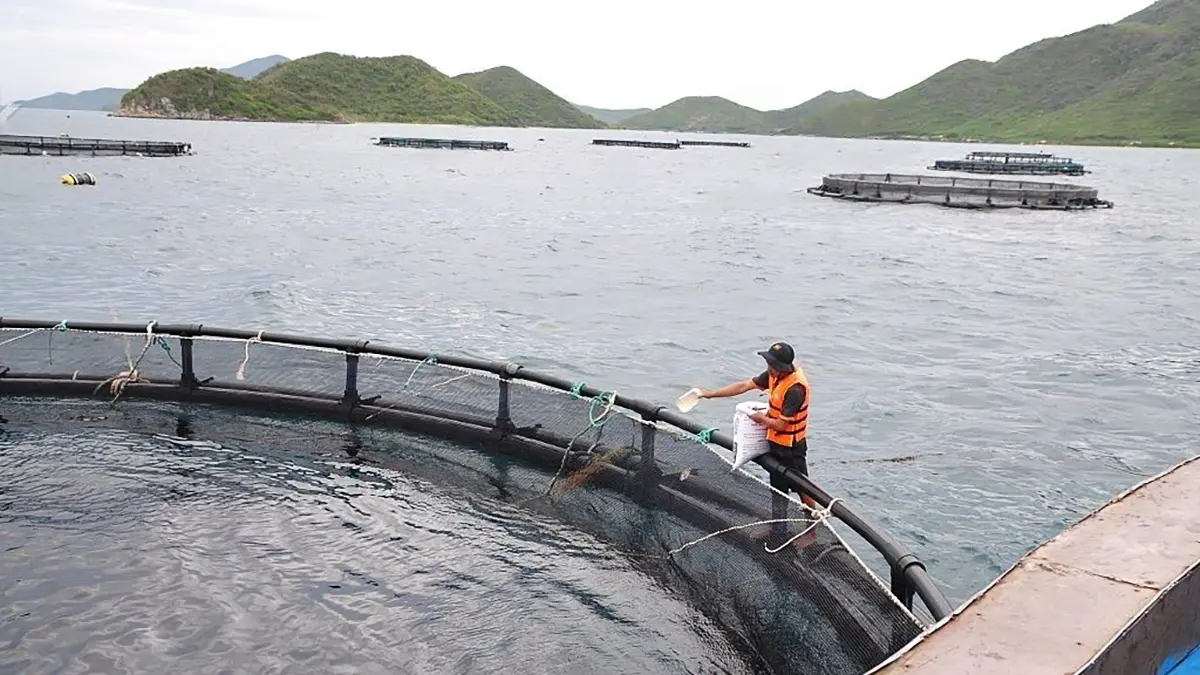
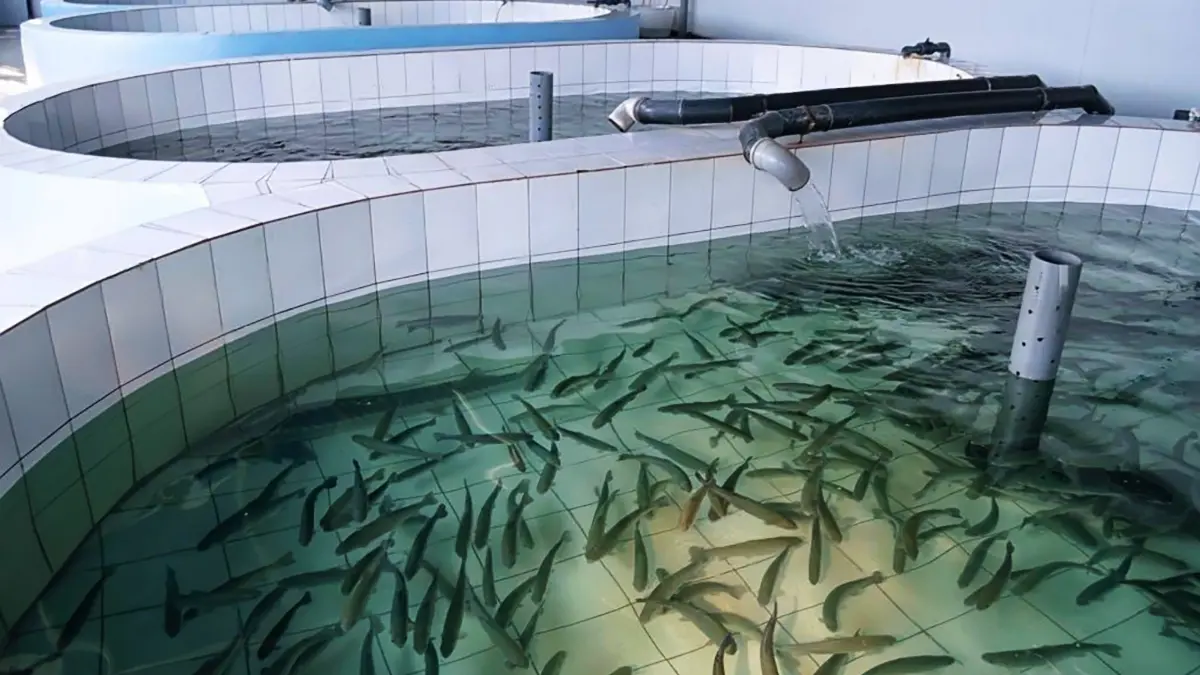
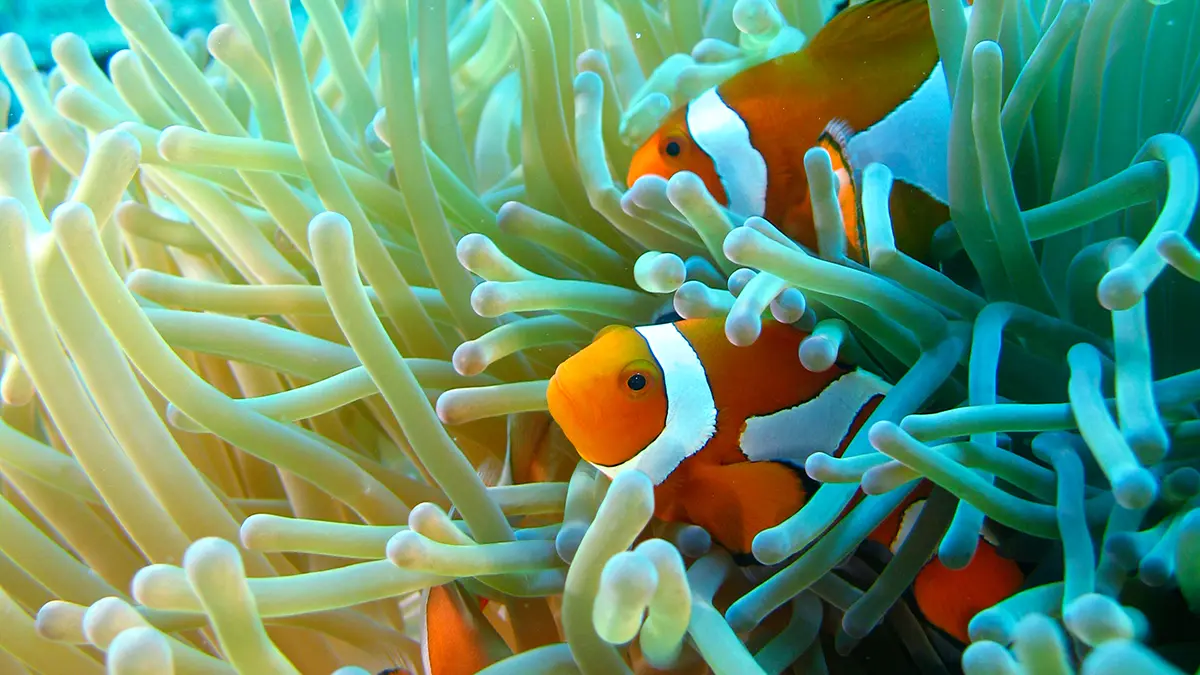
The Aquaculture Application Experimental Station specializes in researching the breeding techniques and environmental management of aquatic animals such as fish and shrimp. We are committed to improving aquaculture production conditions, enhancing the growth rate and disease resistance of aquatic animals, and promoting the sustainable and efficient development of the aquaculture industry.
Pet AES
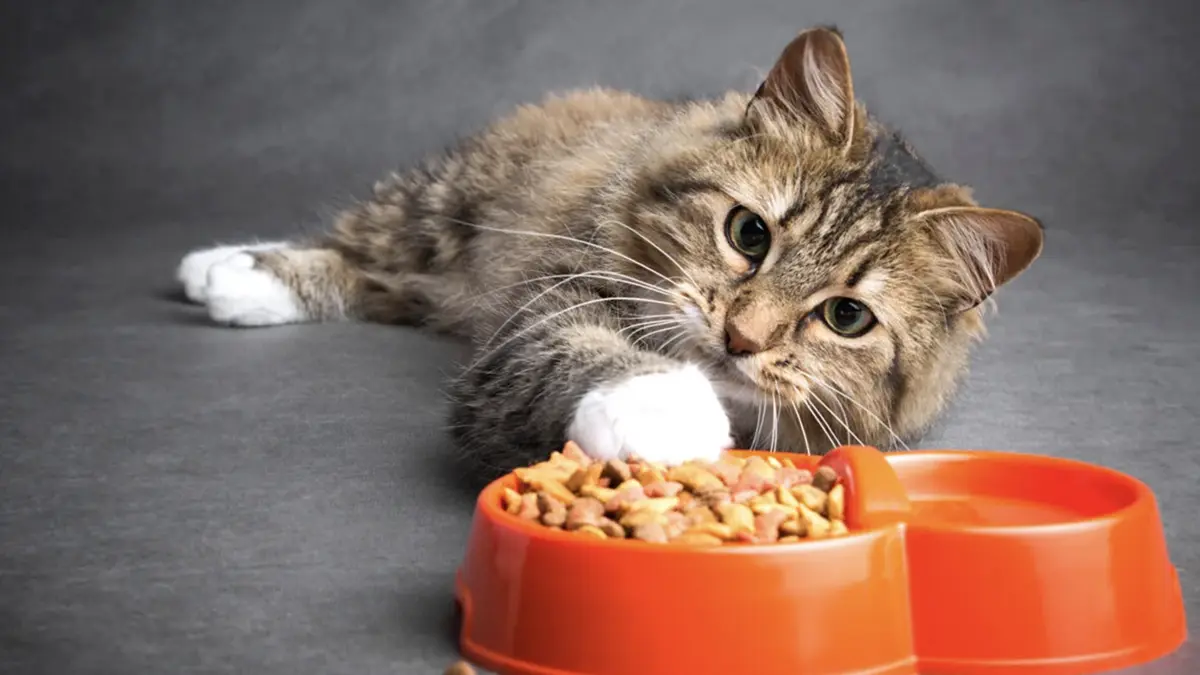
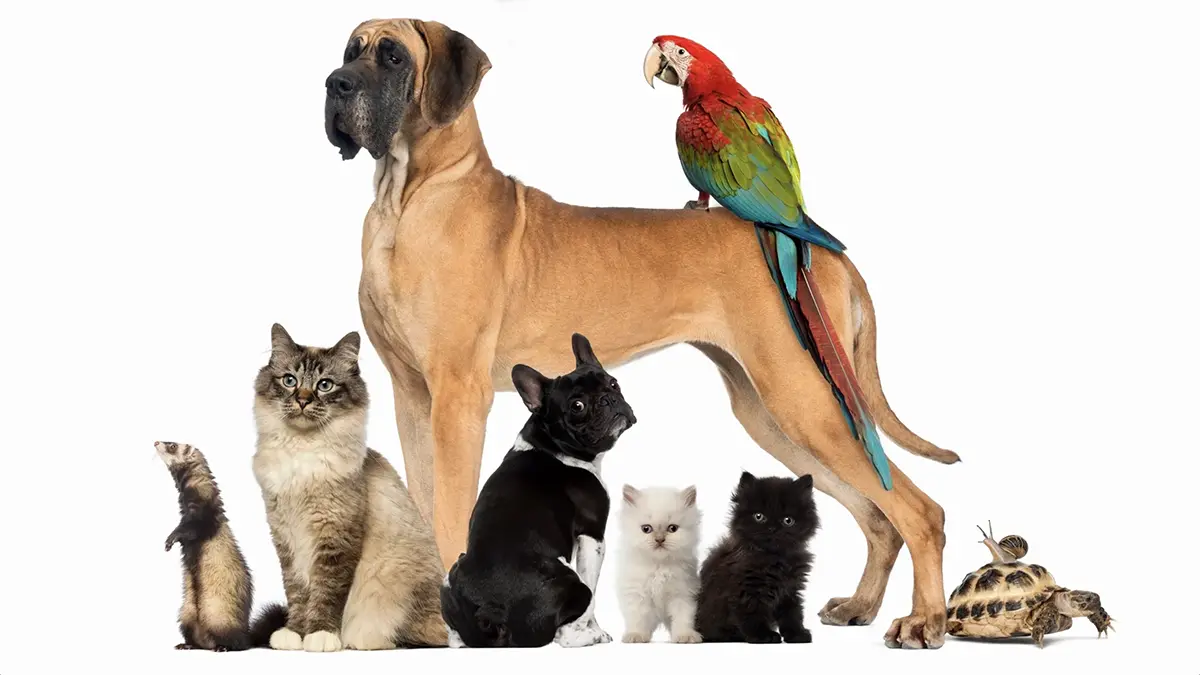
The Pet Application Experimental Station focuses on scientific research in pet food and health management, covering common pets like dogs and cats. Our goal is to provide more nutritious and healthier pet food and health solutions through innovative research and experimentation, improving the quality of life for pets and the caregiving experience for pet owners.


Field Crop AES
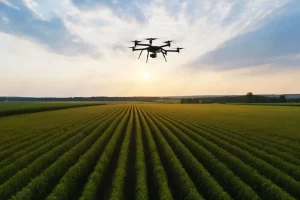
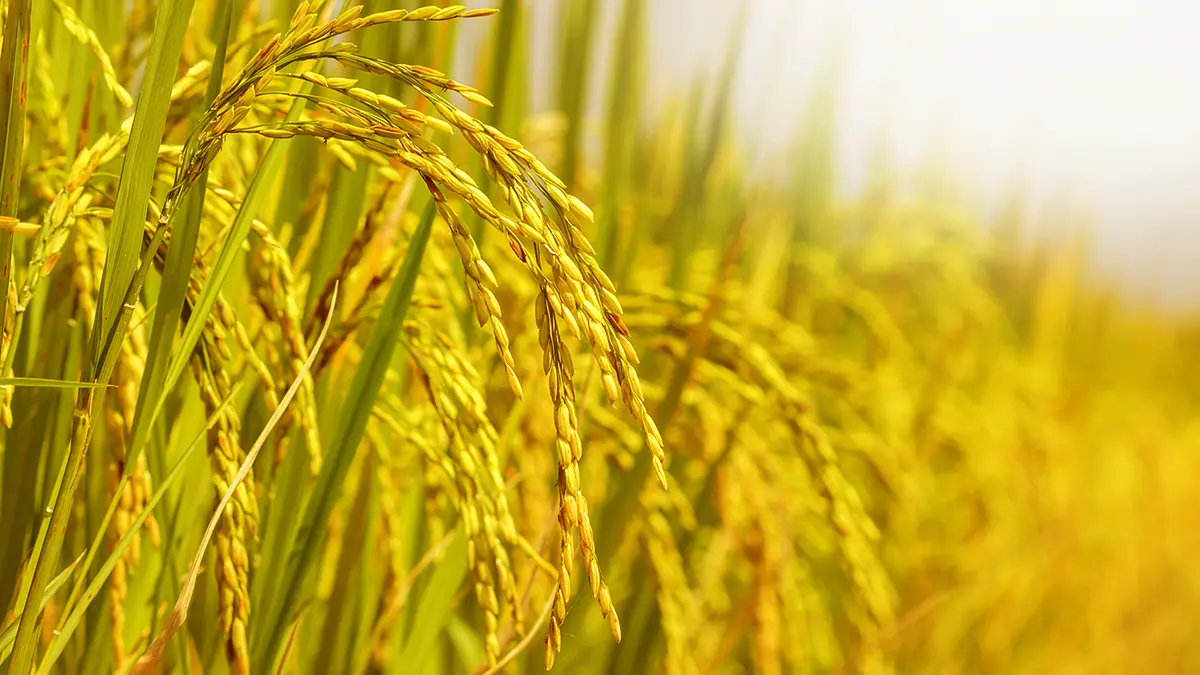
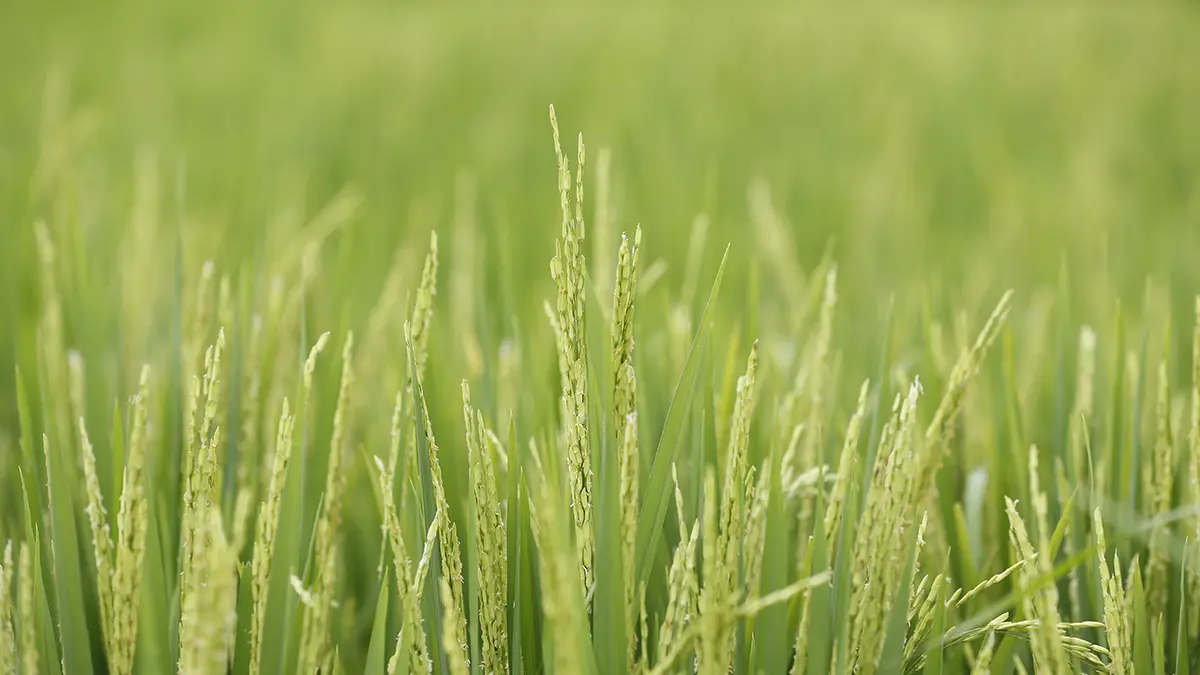
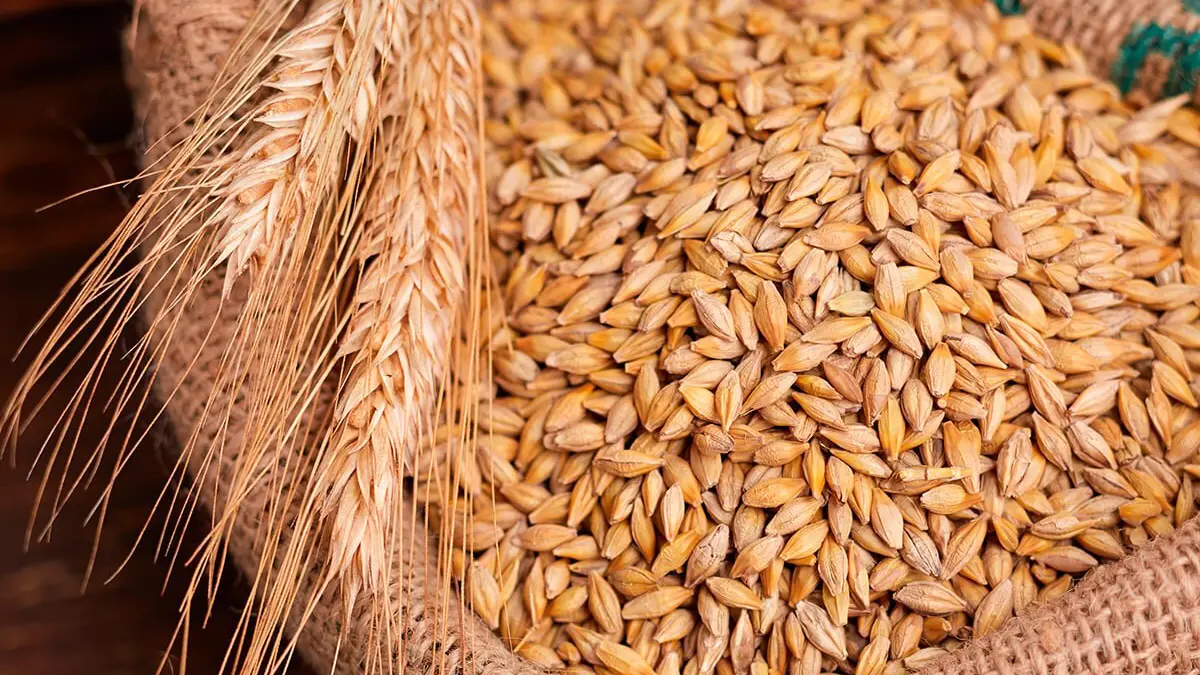
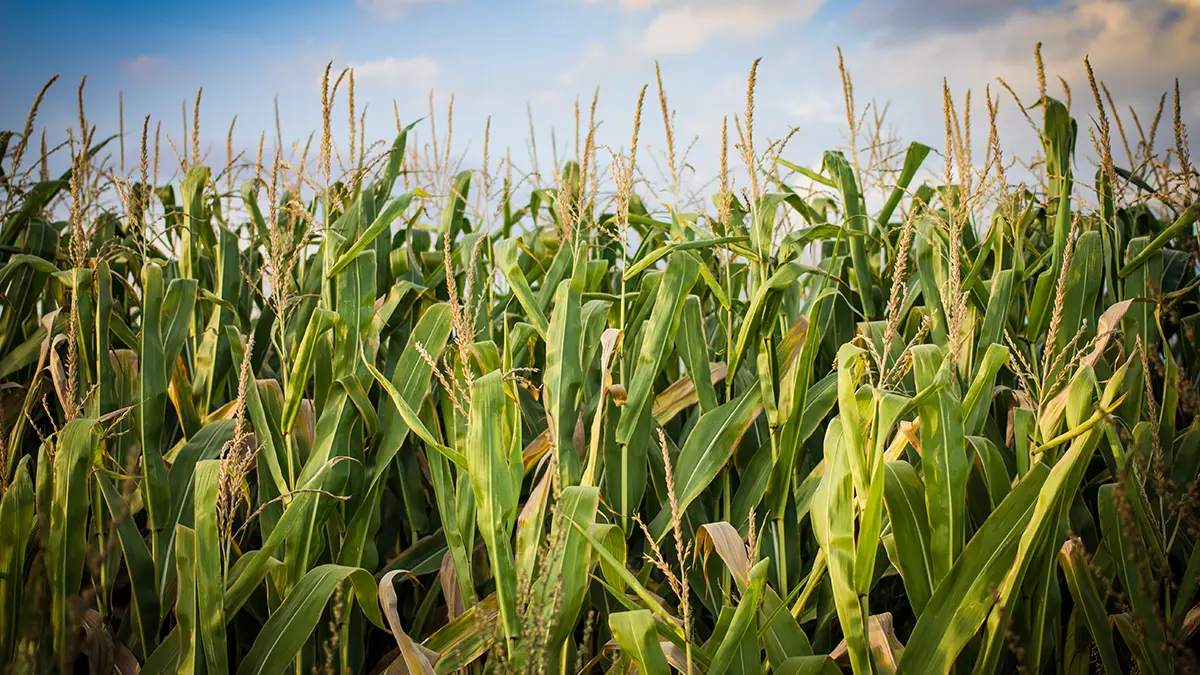
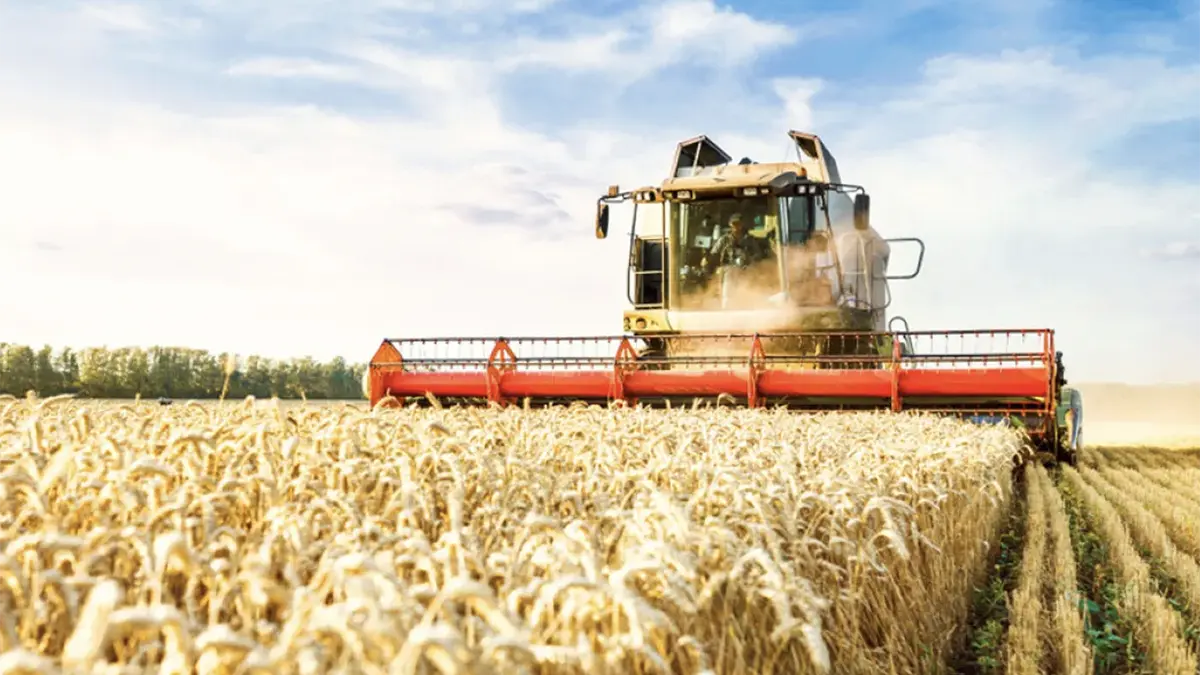
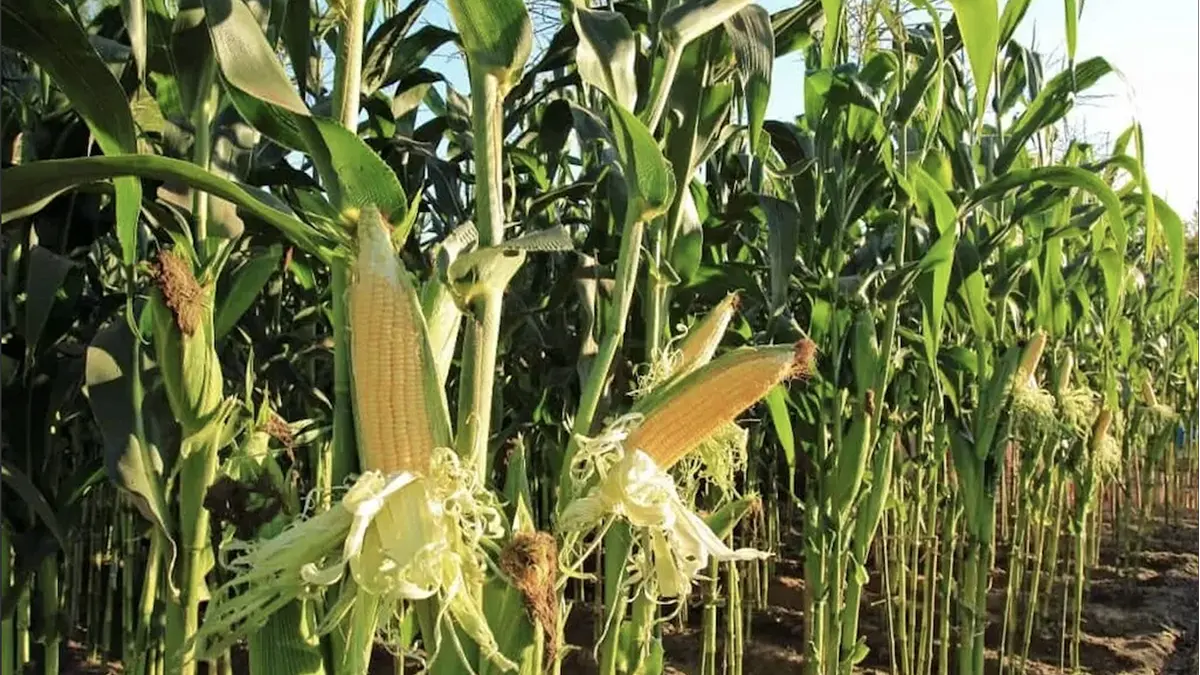
The Field Crop Experiment Station is dedicated to researching and improving major field crops such as wheat, corn, soybeans, and rice. Through advanced agricultural techniques and precise experimental methods, we enhance the yield, quality, and disease resistance of these crops to promote food security and sustainable agriculture development.

Cash Crop AES
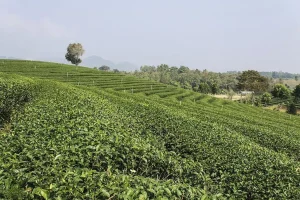
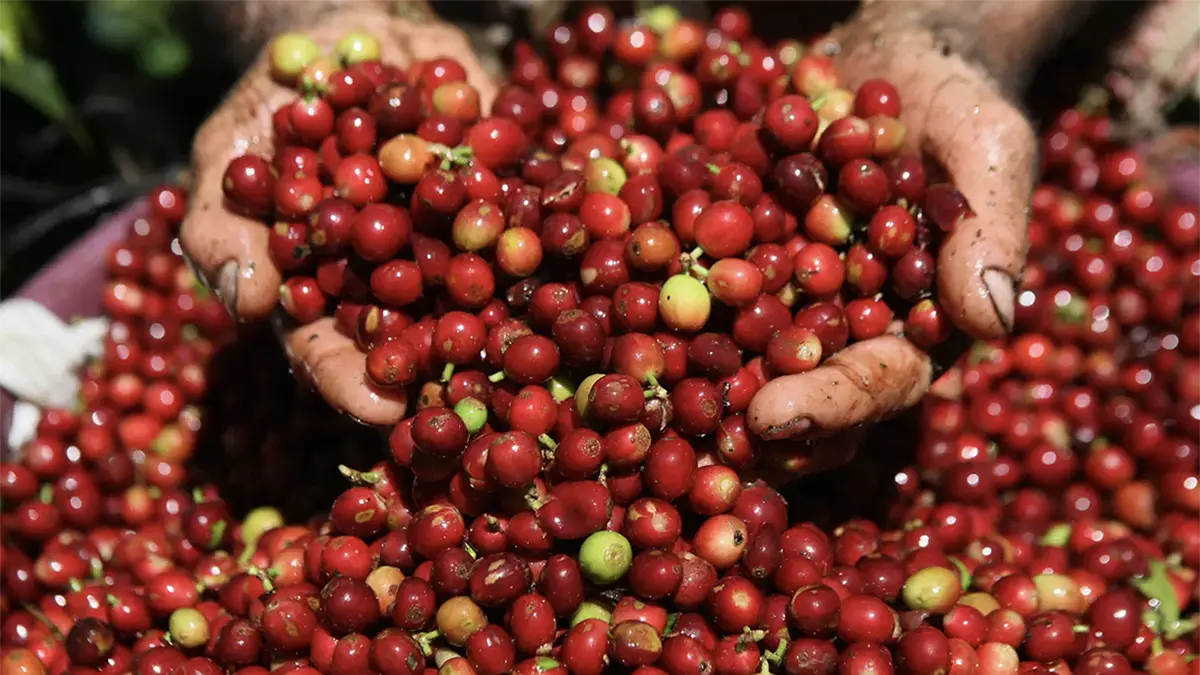
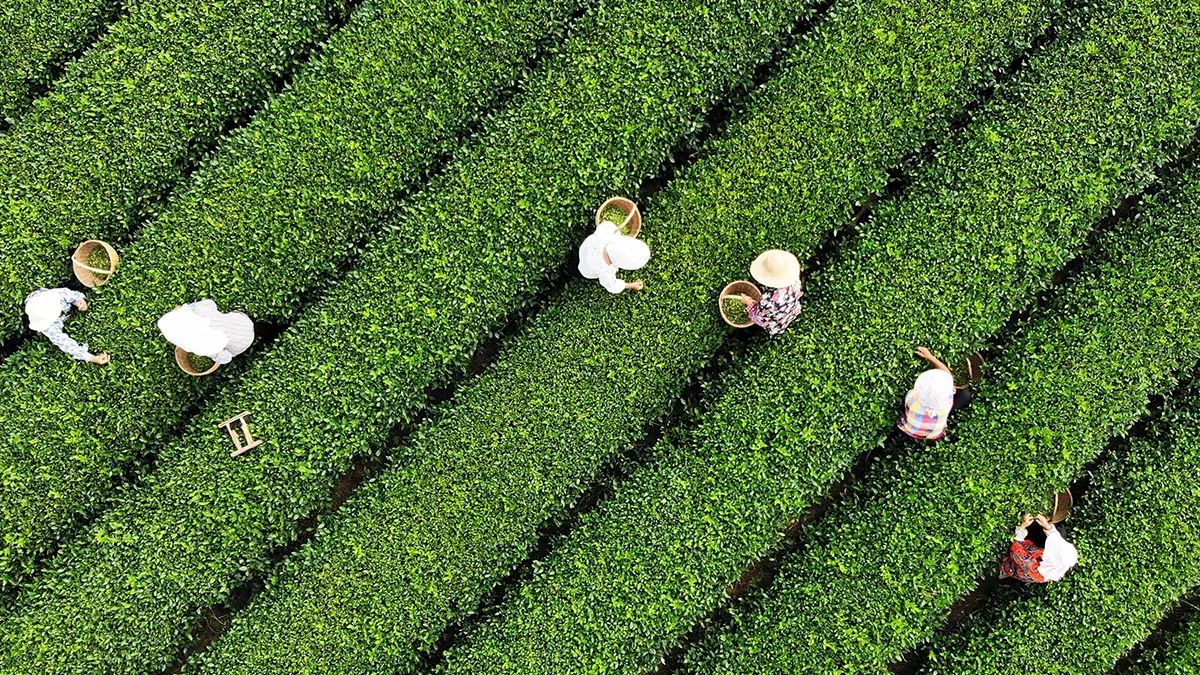
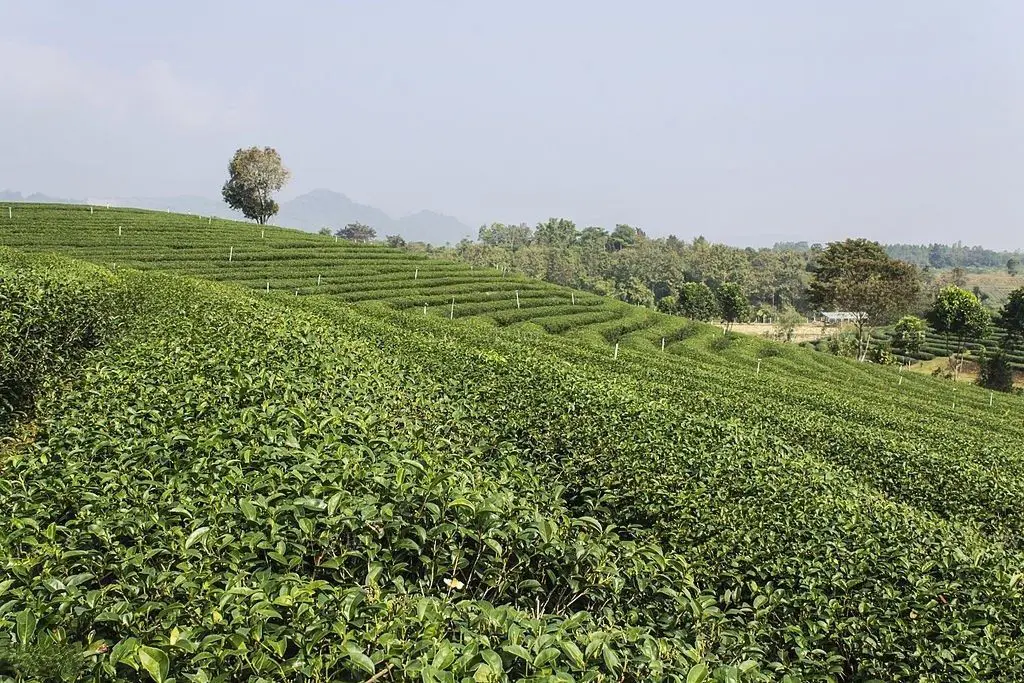
The Cash Crop Experiment Station focuses on high-value crops like cotton, rapeseed, tea, and coffee. Through modern agricultural research, we increase the production efficiency and quality of these crops, driving agricultural economic growth and income improvement for farmers.


Vegetable AES
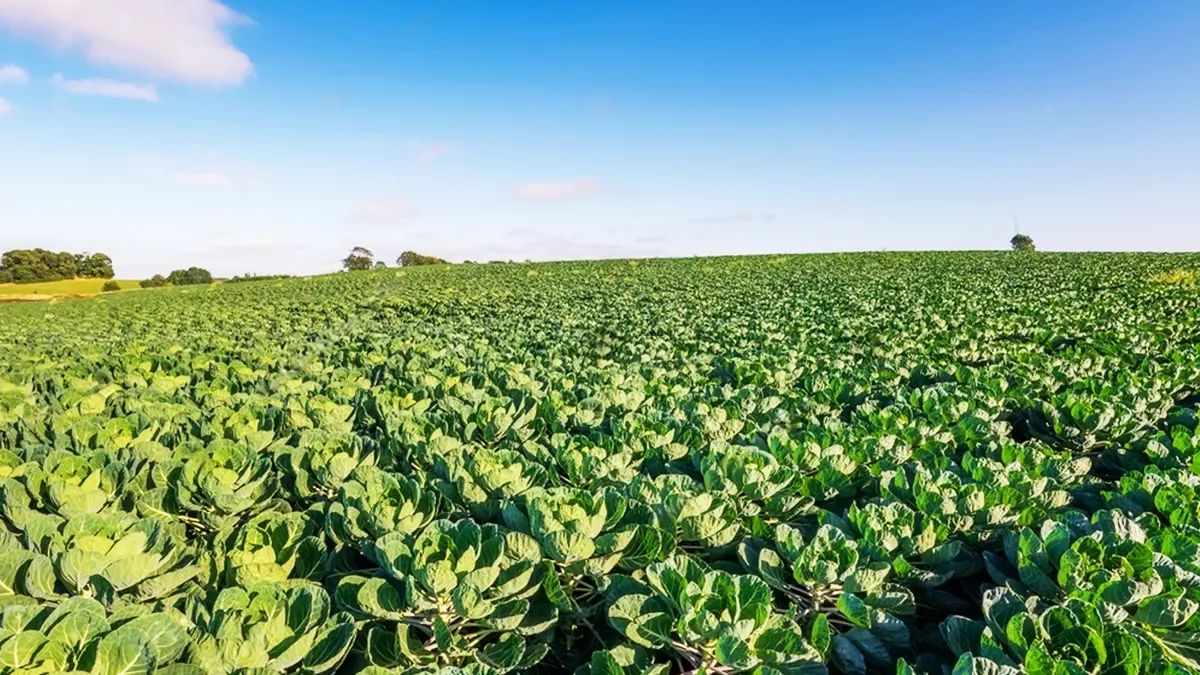
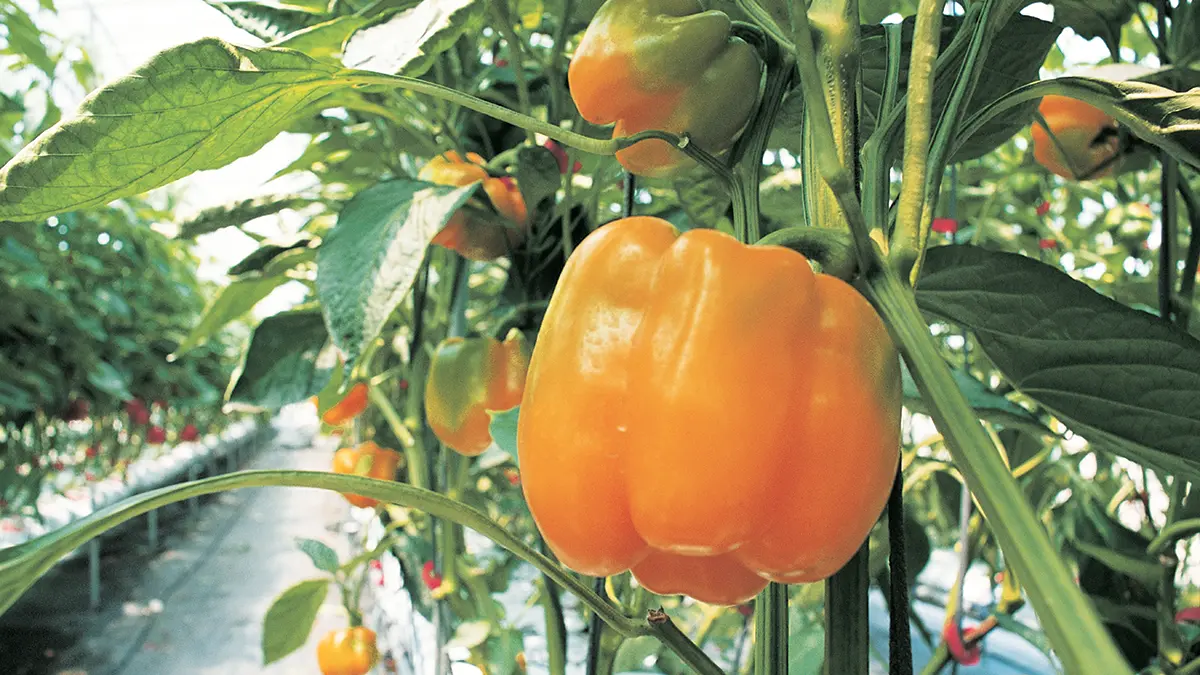
The Vegetable Crop Experiment Station covers a variety of vegetable species such as tomatoes, carrots, cabbage, and peppers. By meticulous variety breeding and scientific cultivation techniques, we provide high-yielding, high-quality, and disease-resistant vegetable varieties to meet market demands and promote the development of the vegetable industry.

Fruit Tree AES
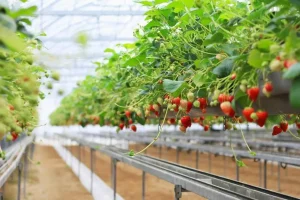
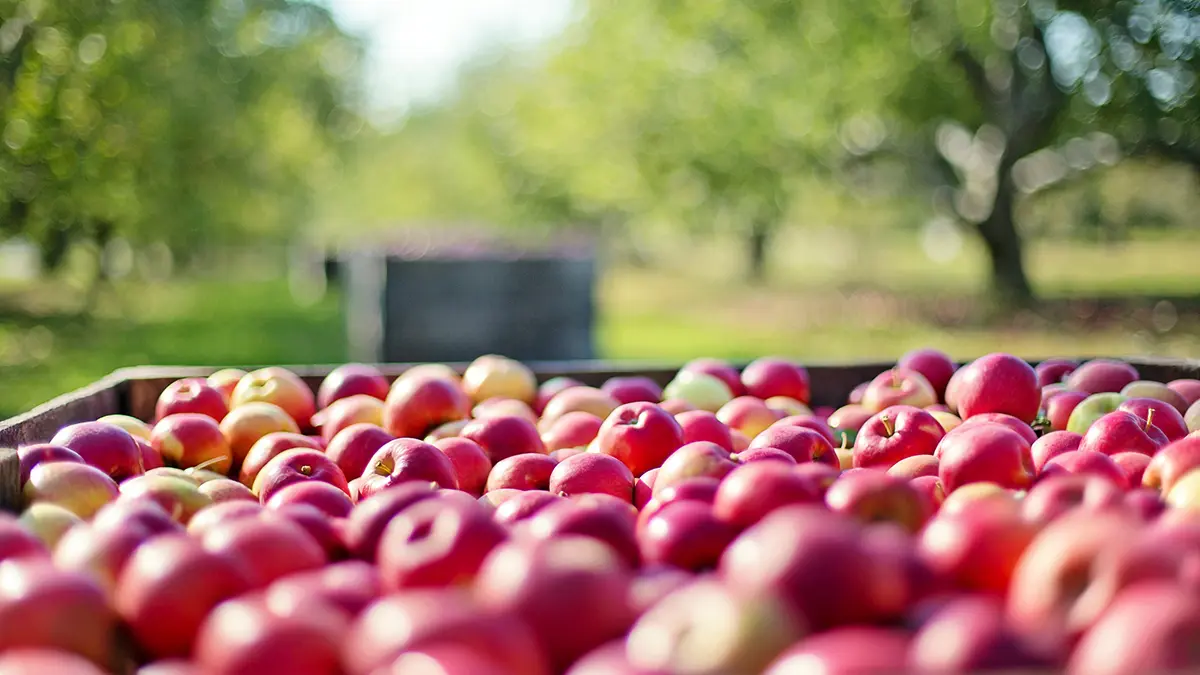
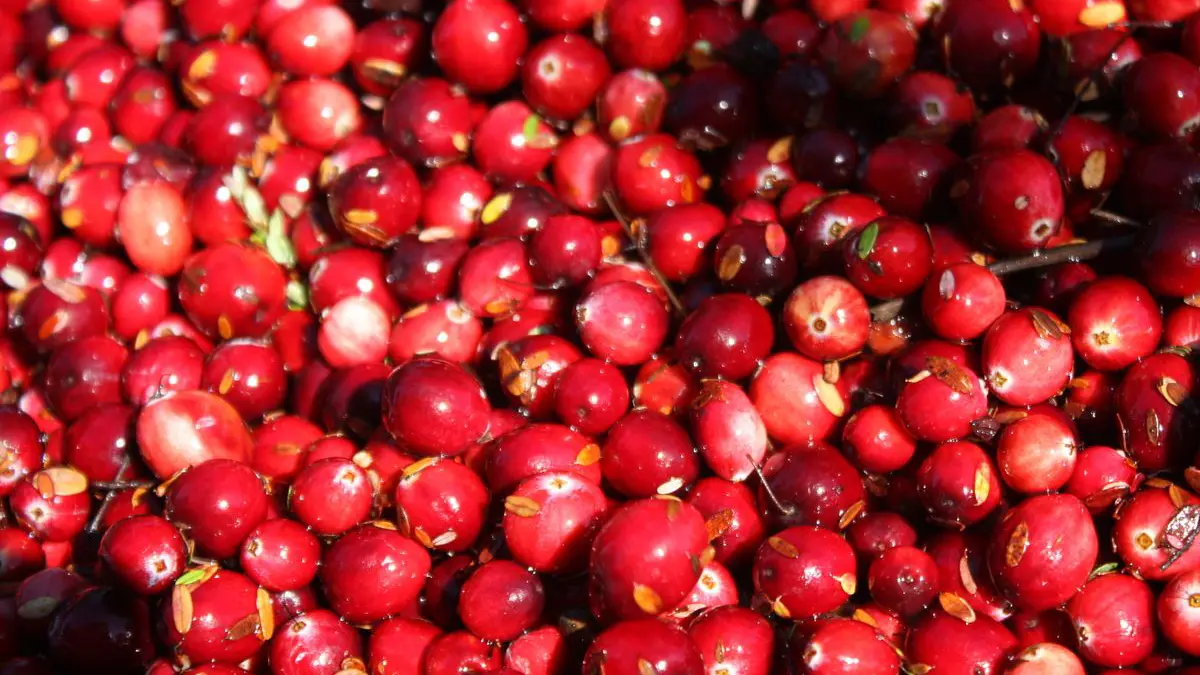
The Fruit Tree Crop Experiment Station specializes in the research and improvement of fruit tree species such as apples, citrus fruits, grapes, and bananas. We strive to enhance the yield, quality, and disease resistance of fruit trees to offer higher-quality fruit products to the market, promoting the sustainable development of the fruit tree industry.


Waste Treatment AES
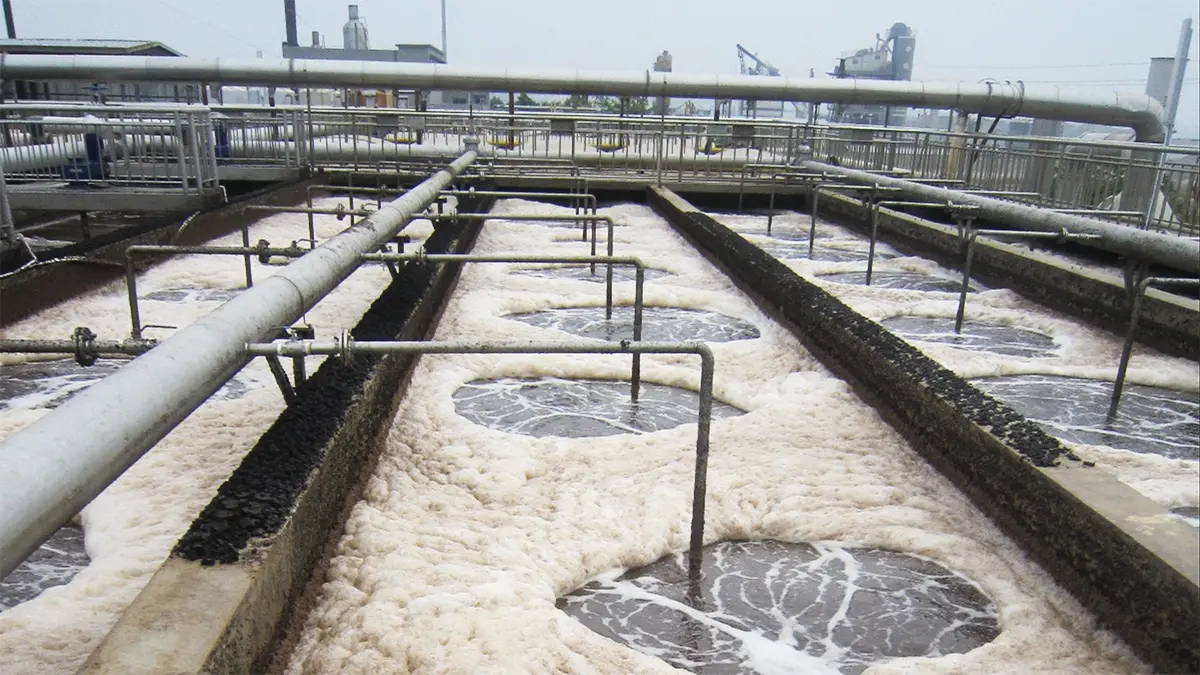
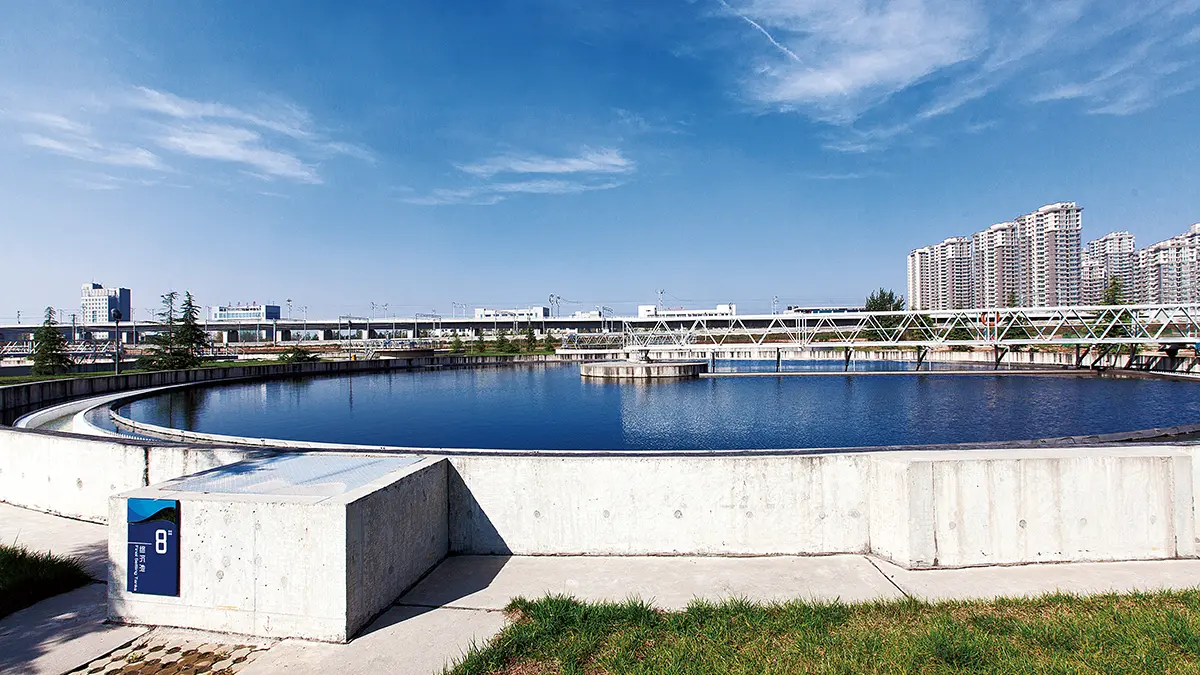
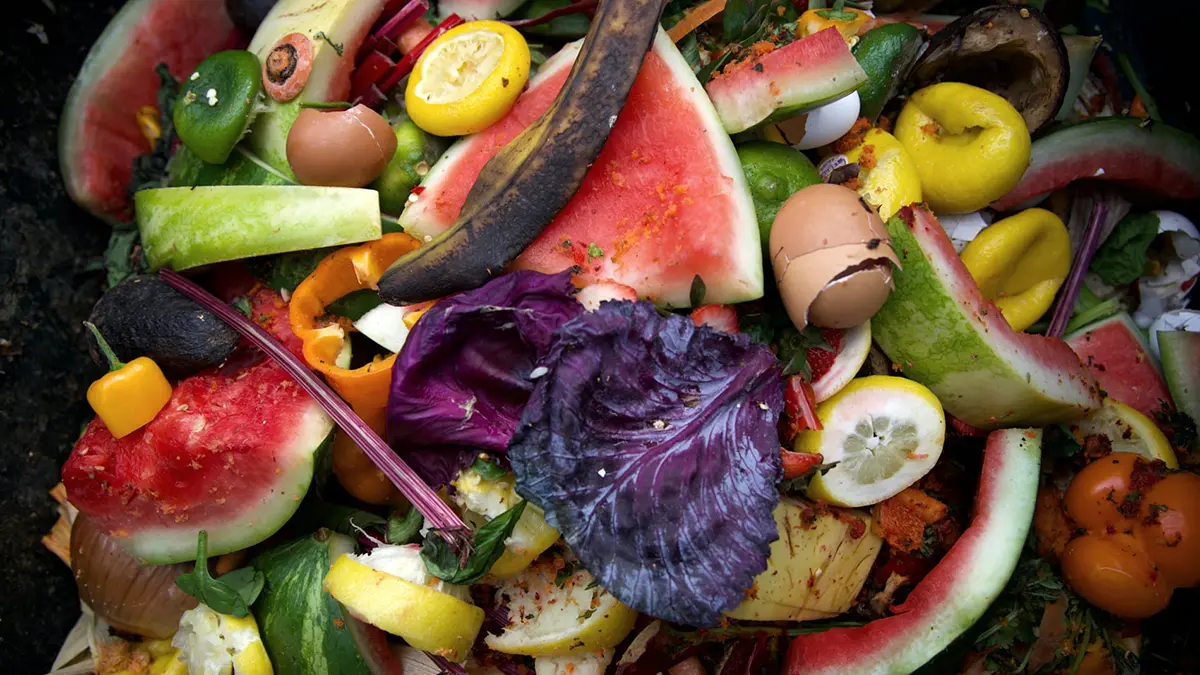
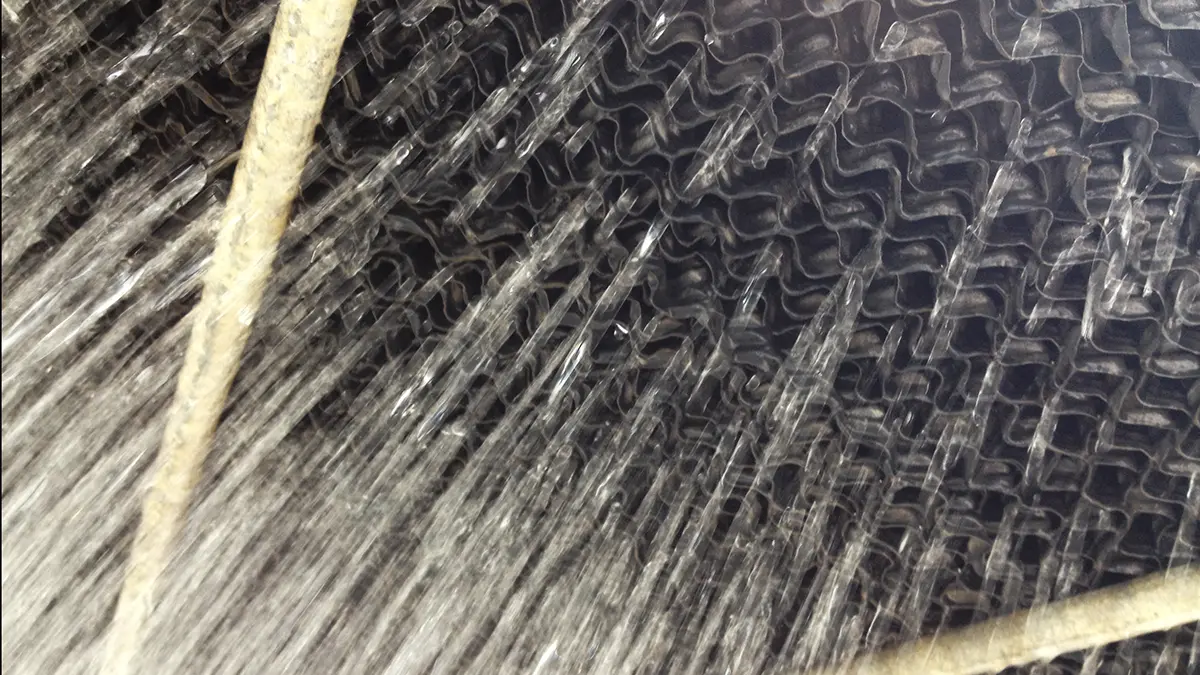
The Waste Treatment Experiment Station focuses on the research of environmental restoration and protection technologies, covering areas such as water purification, soil remediation, and air pollution control. Through advanced technological means and innovative methods, we drive the development of environmental protection initiatives, striving to create a greener and more sustainable Earth.


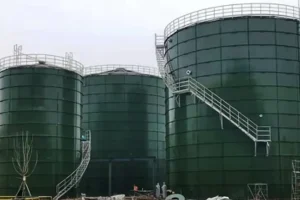
Bioenergy AES
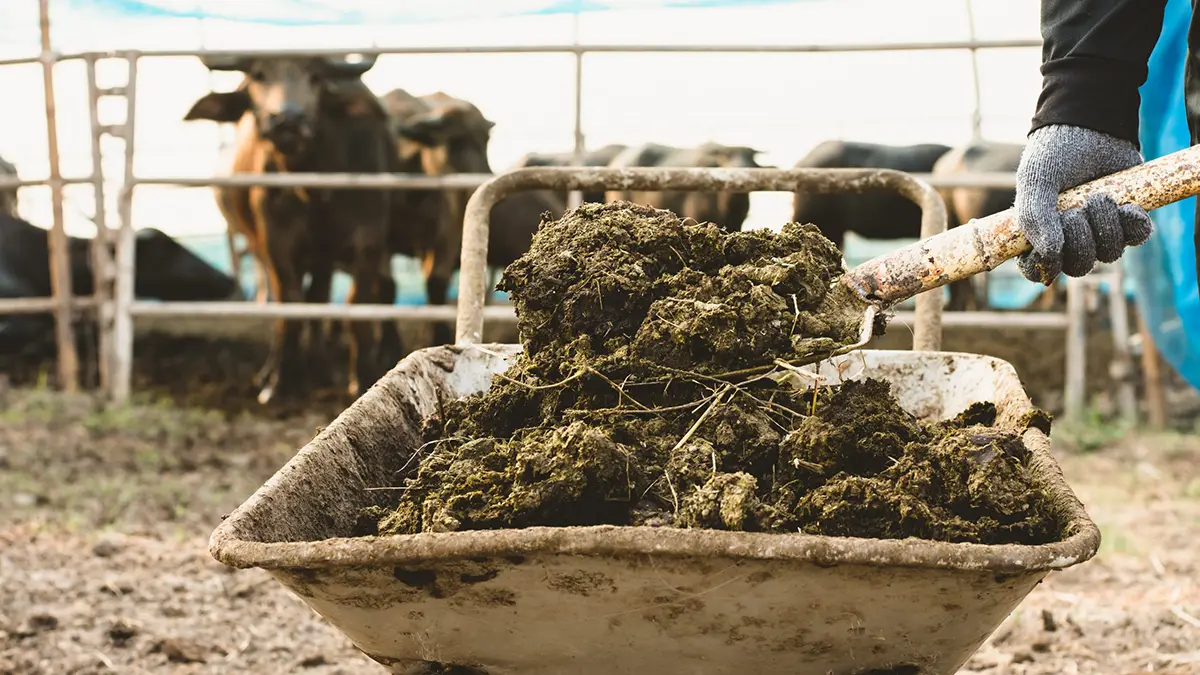
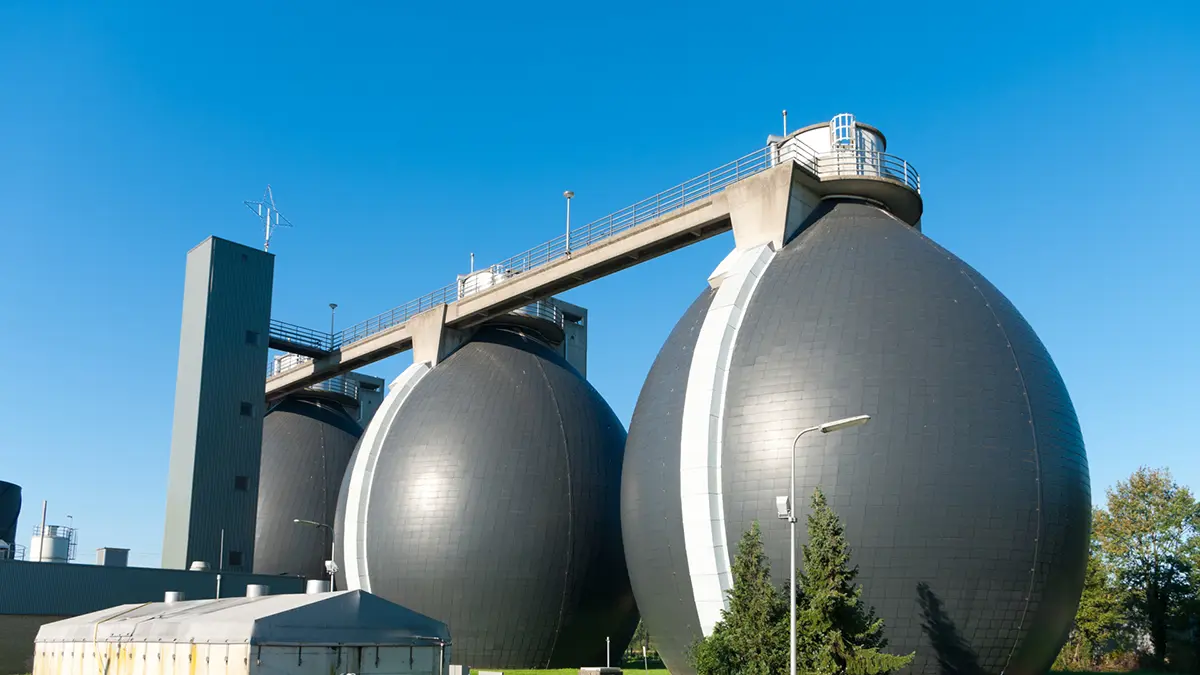
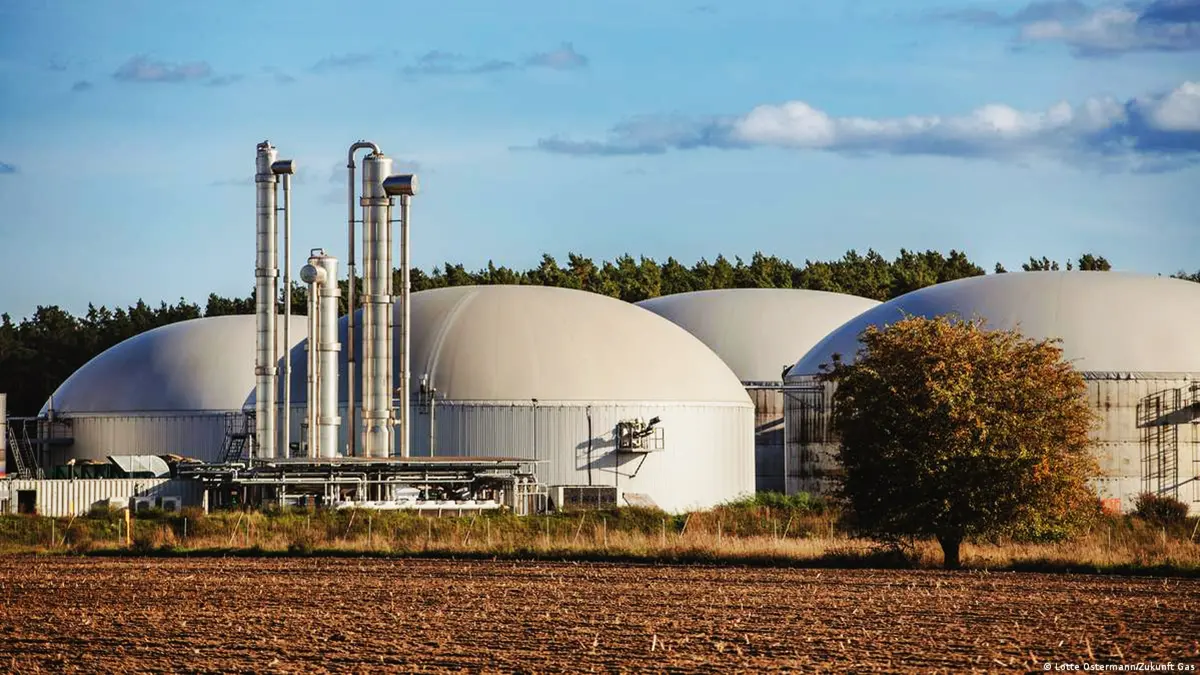
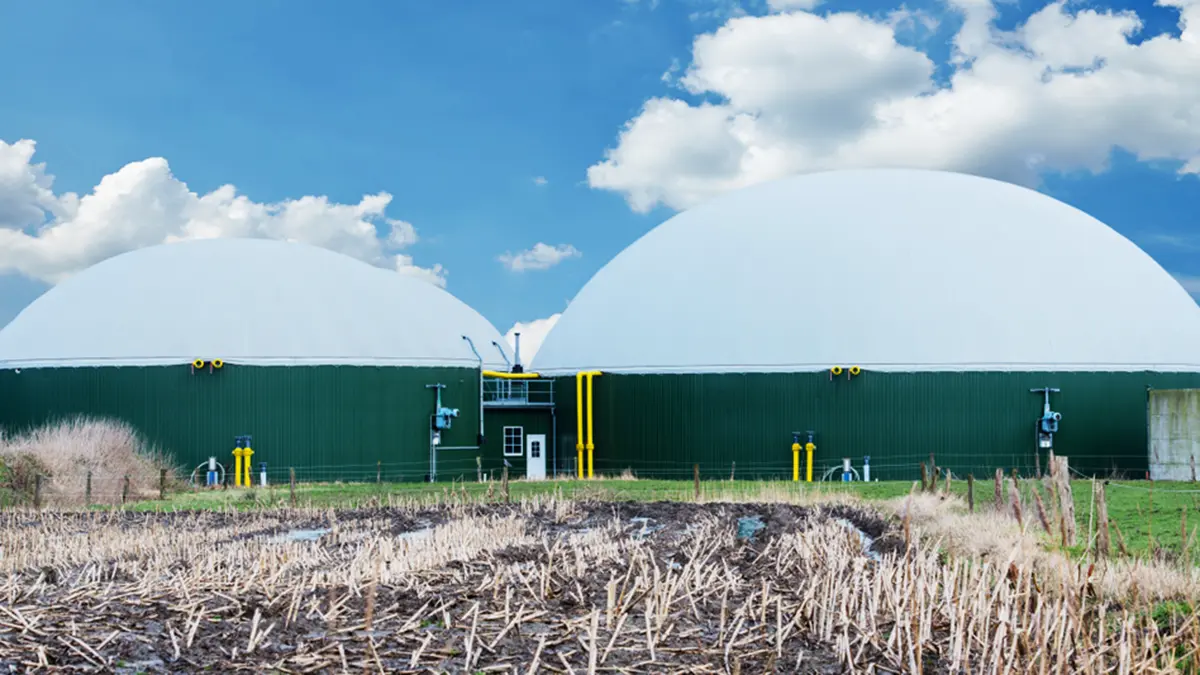
The Bioenergy Experiment Station is dedicated to the development and optimization of bioenergy technologies, including biodiesel, bioethanol, biogas, and other renewable energy sources. Through cutting-edge research and experiments, we enhance the production efficiency and application scope of bioenergy, promoting the transformation of energy structure and sustainable development.
Biochemical AES
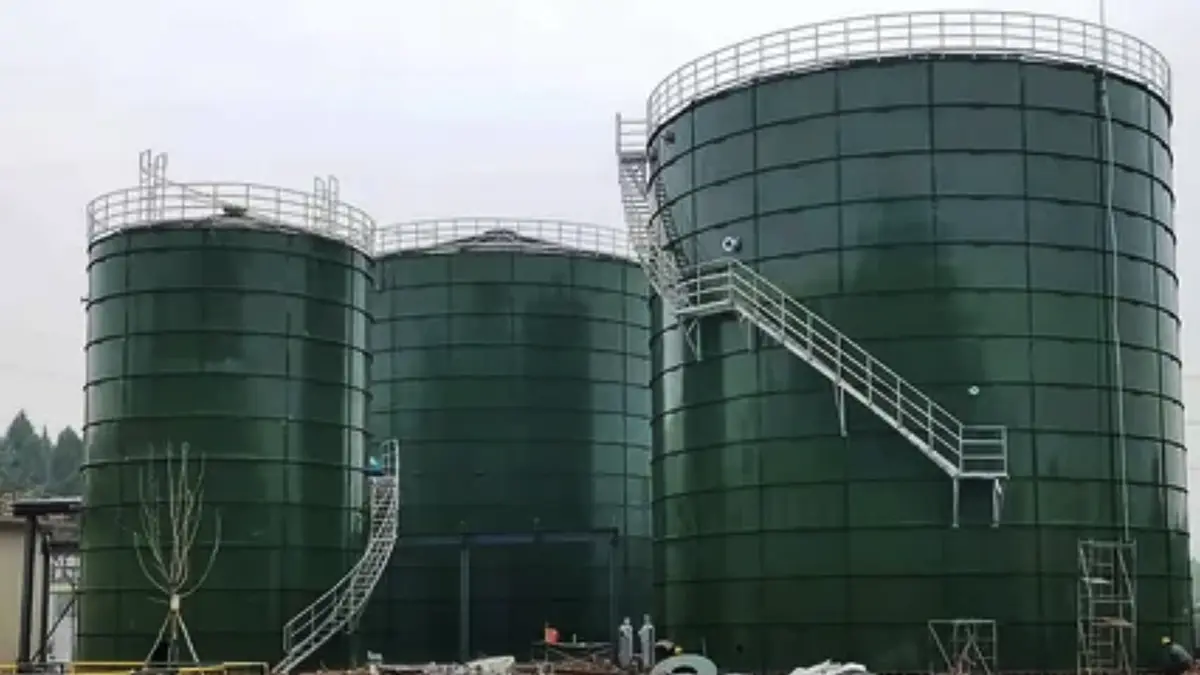
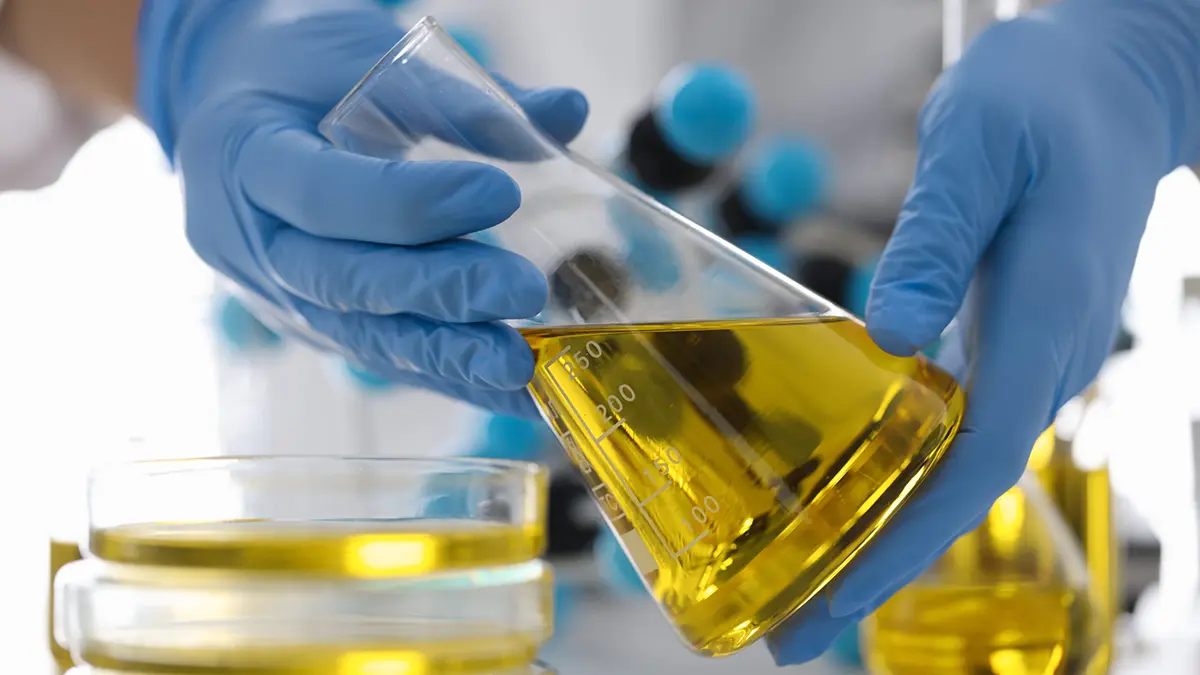
The Biochemical (Synthetic Biology) Experiment Station focuses on the application of synthetic biology and biotechnology, spanning areas such as pharmaceuticals, biomaterials, and fine chemicals. By utilizing techniques like genetic engineering and cell factories, we achieve innovation and industrialization of bio-based products, driving the frontier development of biotechnology.




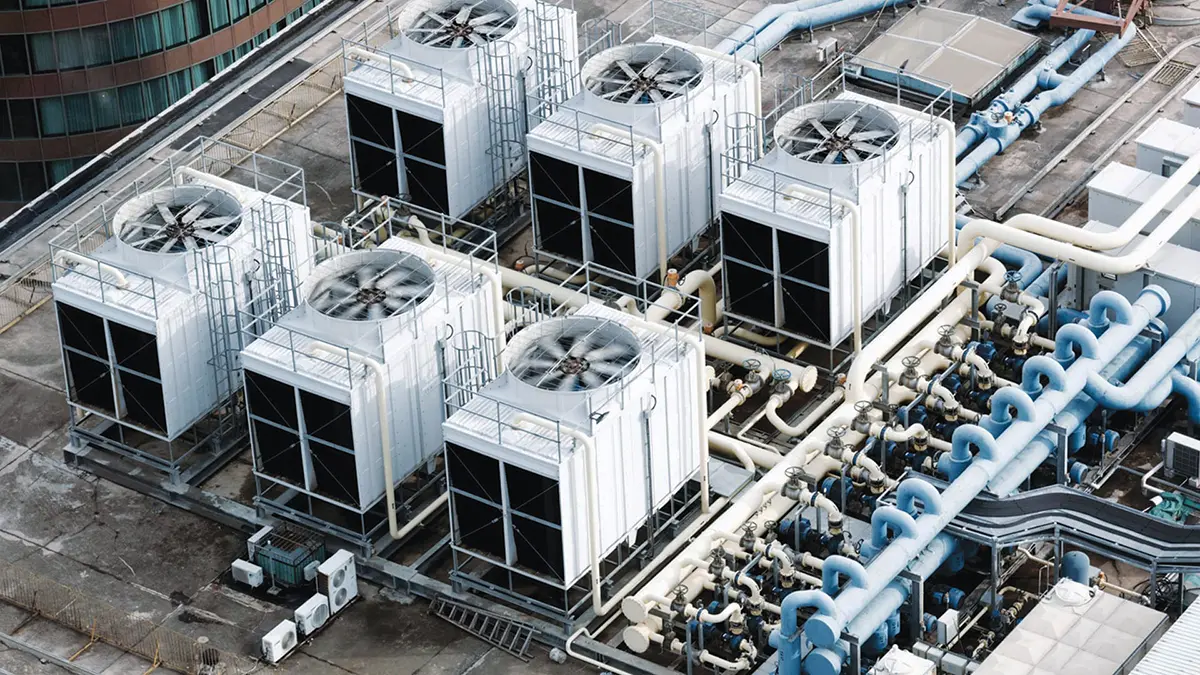
Carbon Capture AES
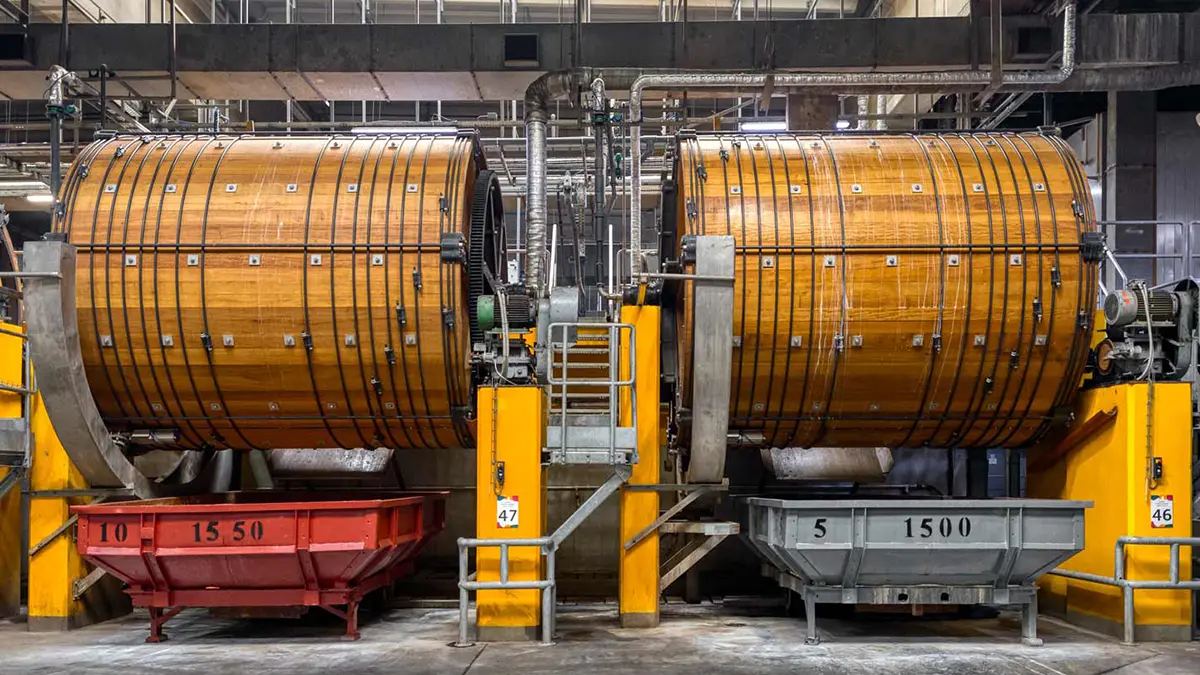
The Carbon Capture Experiment Station is dedicated to the development and optimization of carbon capture and utilization technologies, covering areas such as carbon capture, storage, and conversion. Through advanced technological means, we effectively reduce carbon dioxide concentrations in the atmosphere, promote carbon neutrality goals, and contribute to addressing climate change.


FAQs
What is AES ( Application Experiment Station) ?
The AES (Application Experiment Station) is a specialized experimental platform dedicated to advancing the application and research of microbial products in animal husbandry, plant cultivation, and industrial microbial applications. Its primary goal is to utilize scientific methods and technologies to verify and enhance the practical effects of microbial products, thereby improving efficiency and effectiveness across various fields and providing a scientific foundation for the marketization and widespread application of microbial products.
1. Animal Microbial Domain
In animal husbandry, the AES Application Experiment Station focuses on verifying and enhancing the effects of microbial products in several key areas:
Improving Animal Health and Welfare: Strengthening the animal’s immune system and reducing disease incidence using beneficial microorganisms.
Promoting Growth: Enhancing feed efficiency with microbial additives to accelerate animal growth rates and weight gain.
Enhancing Farming Efficiency: Decreasing feed conversion ratios, improving output efficiency, and reducing breeding costs.
2. Plant Microbial Domain
In plant cultivation, the AES Application Experiment Station primarily aims to:
Promote Plant Growth: Enhance nutrient absorption and increase crop yields using microbial fertilizers and growth promoters.
Soil Improvement: Improve soil fertility and water retention capacity through microbial methods by enhancing soil structure.
Disease Prevention: Suppress plant pathogens using beneficial microorganisms through biological control techniques, reducing reliance on chemical pesticides.
3. Industrial Microbial Domain
For industrial microbial applications, the AES Application Experiment Station emphasizes:
Fermentation Engineering: Researching and optimizing fermentation processes for large-scale production of food, feed, and biochemicals.
Bioremediation: Using microbial treatments for pollutant remediation and environmental restoration, such as soil and water purification.
Bioproduct Development: Developing and applying microbial technologies for manufacturing bioproducts like enzymes, peptides, and organic acids.
Key Functions and Advantages of AES Application Experiment Station:
Interdisciplinary Research: Integrating research across animal, plant, and industrial microbial domains to foster technological innovation and expand applications.
Scientific Validation: Conducting experiments and collecting data to scientifically verify the effects of microbial products, providing a robust basis for market promotion.
Efficient Production: Optimizing microbial technologies to enhance production efficiency, reduce costs, and improve product quality.
Environmental Protection and Sustainability: Applying microbial technologies to promote environmental conservation, reduce chemical usage, and advance sustainable development.
With its comprehensive and specialized research efforts, the AES Application Experiment Station is committed to delivering innovative solutions for agricultural production and environmental technologies, thus facilitating the widespread adoption of microbial products.
A brief description of the experimental process of the AES (Application Experiment Station)
The experimental process at the AES Application Experimental Station strictly follows scientific methods and standard operating procedures to ensure the reliability and validity of the experimental data. The main steps of the experimental process are as follows:
1. Experiment Planning
- Determine Objectives: Clearly define the purpose and goals of the experiment.
- Design Experimental Plan: Includes selecting experimental subjects, setting experimental conditions, and determining data collection methods.
- Application and Review: Submit the “Experiment Application Form.” The experiment can commence only after it has been reviewed and the “Experiment Cooperation Agreement” has been signed.
2. Preparatory Work
- Material Preparation: Prepare the necessary experimental materials, such as microbial products, feed, and fertilizers.
- Equipment Check: Ensure that experimental equipment and instruments are functioning properly and prepare the experimental site.
- Personnel Training: Train the personnel involved in the experiment to ensure they understand the operational standards and safety measures.
3. Experimental Operation
- Conduct Operations According to Plan: Strictly follow the pre-designed experimental plan and record each step in detail.
- Data Collection: Includes observation records, measurement data, photos, and videos.
- Animal Experiments: Record the growth status, health condition, and feed conversion rate of animals.
- Plant Experiments: Record crop growth conditions, yield, and disease incidence rates.
- Industrial Microbial Experiments: Record the fermentation process, product yield, and quality.
4. Data Processing
- Data Organization and Analysis: Organize and preliminarily analyze the collected data to generate a data report.
- Signature Confirmation: The person in charge of the experimental site signs or stamps the data to confirm its reliability.
5. Result Evaluation and Feedback
- Evaluate Experimental Results: Assess the effectiveness of the microbial products based on data analysis results.
- Write Experimental Report: Write a detailed experimental report summarizing the experimental process, results, and conclusions.
- Customer Feedback: Share the experimental results with the customer and make improvements based on feedback.
6. Subsidy Application
- Submit Subsidy Application: Submit a subsidy application based on the experiment’s progress and results, providing corresponding supporting materials.
- Review and Disbursement: The company reviews the subsidy application, calculates the subsidy amount, and disburses the funds.
Precautions During the Experimental Process
- Confidentiality: Ensure the confidentiality of experimental data and materials, and do not disclose them to outsiders.
- Compliance: Ensure that the experimental methods and processes comply with relevant laws, regulations, and ethical guidelines.
- Data Integrity: Ensure the authenticity and reliability of the data, and do not tamper with or fabricate it.
- Environmental Safety: Pay attention to environmental protection and adhere to waste disposal regulations.
- Health and Safety: Protect the health and safety of experimental personnel and animals, and provide necessary protective measures.
- Regular Reporting: Regularly submit experimental progress reports to the company, including experimental data and observation results.
- Product Usage Standards: Use microbial products according to the experimental plan and maintain sample storage conditions.
The experimental process at the AES Application Experimental Station is renowned for its scientific rigor, strictness, and standardization, ensuring that the data and results of each experiment provide reliable support for the development and application of microbial products.
How to design an experimental plan that meets the requirements?
Our company will provide standard experimental protocol templates and guidance to help applicants design experiments that meet the requirements. It is necessary to determine the experimental goals, set up control groups and experimental groups, and clarify data collection methods and evaluation indicators.
At AES Experimental Project, Will the Company Provide Relevant Technical Guidance or Training?
Yes, Our company will provide comprehensive technical guidance and training to ensure the successful execution of each experimental project and the collection of high-quality data. Below are the details of the technical guidance and training contents:
1. Technical Guidance
Initial Guidance: Before the experiment begins, the company will arrange professional technical personnel to conduct initial guidance with the experiment leaders, explaining in detail the goals of the experiment, operational standards, data collection requirements, and precautions.
On-Site Support: During the experiment, technical personnel will provide on-site support as needed, addressing issues arising during the experiment and assisting in resolving unexpected situations to ensure the smooth progress of the experiment.
Remote Assistance: For experiments that do not require on-site support, the company also provides remote technical guidance services via phone or video conference, promptly answering the questions of the experiment leaders.
2. Training Program
Basic Training: The company will provide basic training for experimental participants, including fundamental knowledge of microbial technology, experimental operation procedures, data collection and processing methods, ensuring participants possess the necessary technical skills.
Advanced Training: For experiments with special needs, the company will offer advanced training, covering topics such as gene editing technology and advanced data analysis methods to improve the precision and accuracy of the experiments.
Regular Training: The company will regularly organize training seminars and workshops, inviting industry experts to share the latest research findings and technological trends, helping experimental personnel continuously improve their skills and knowledge.
3. Resource Provision
Technical Documentation: The company will provide detailed technical documentation, including experimental operation manuals, data collection forms, and SOPs (Standard Operating Procedures), ensuring the experiment process is well-documented.
Equipment Support: The company will provide necessary equipment support based on the experimental needs and guide the experimental personnel in the correct use and maintenance of the equipment, ensuring stable experimental conditions.
Technical Exchange: The company encourages technical exchanges and experience sharing among experimental personnel, regularly organizing technical exchange meetings to promote collaboration and mutual progress among experimenters.
4. Continuous Support
Experimental Evaluation: The company’s technical personnel will regularly evaluate the progress of the experiment, analyze and provide feedback on the experimental results, ensuring the experiment proceeds according to plan and achieves the expected goals.
Problem Solving: For any issues that arise during the experiment, the company’s technical personnel will promptly provide solutions and follow up with experimental adjustments and optimization suggestions to ensure the smooth completion of the experiment.
Through these technical guidance and training measures, the company ensures that each AES experimental project can be conducted efficiently and with high quality, thereby promoting the application and development of microbial products in agriculture.
What should I do if an abnormality occurs during the experiment?
If any abnormal situations occur during the experiment process, it is important to promptly contact technical support personnel and adjust and resolve the issues based on the guidance.
How to keep experimental data confidential?
All experimental data and information are considered confidential, and unauthorized disclosure to external parties is strictly prohibited. After the experiment concludes, data must be securely stored to ensure its safety and integrity.
Can experimental results be published publicly?
If the experimental results need to be publicly disclosed, prior consent from Our company should be obtained. When publishing, it is essential to mention the microbial products used in the experiment and GEM provider.
Technical and Business Consultation
If you have any ideas, please contact us.
When you need professional advice and guidance in the technical and business domains, our team can provide comprehensive technical and business consultation services.
Our expert consultants possess extensive knowledge and experience to assist you in addressing various challenges, optimizing business processes, increasing efficiency, reducing costs, and achieving outstanding results.
We sincerely invite people with lofty ideals to participate in biological experiments. If you are also looking for biological solutions...
Please Contact Us
We are pleased that you are willing to participate in this sustainable biotechnology development project and become our strategic partner.
Please log in to your email to access more valuable information and details.