
│ │
▼ GEMBIOZ Full-Chain Data Loop ▼
[ 6. Long-Term Customer Success ] ◄── [ 5. Biological Scientific Interpretation ] ◄── [ 4. Financial & Economic Validation (ROI) ]
1. Baseline Challenge Assessment
Every rigorous field study must initiate with a comprehensive pre-trial diagnostic audit of the customer’s operational bottlenecks. Our technical service teams construct a detailed facility archive charting production systems, precise geographical coordinates, and chronological performance history records. This comprehensive baseline audit targets specific commercial pain points across vertical sub-sectors:
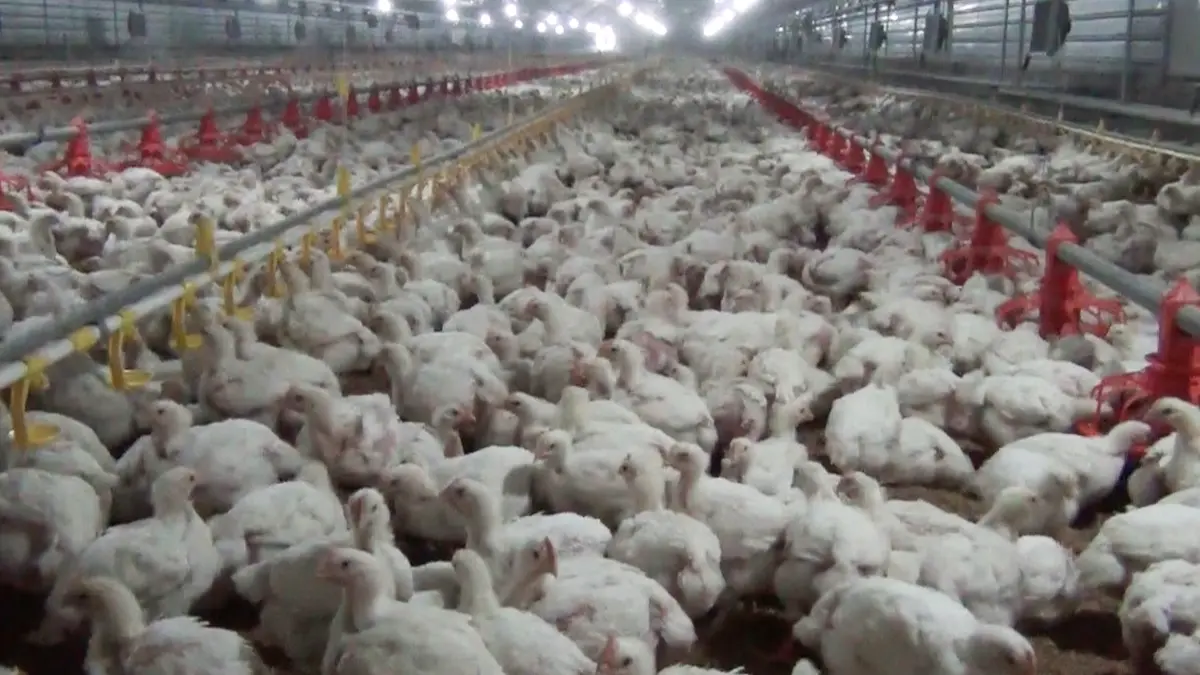
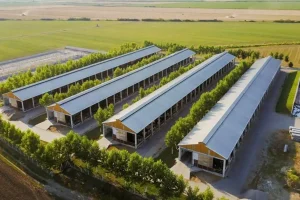
- Animal Husbandry Sectors: Diagnosing poor Feed Conversion Ratios (FCR), group growth inconsistency, body weight dispersion, elevated nursery mortality, gut mucosal barrier malfunctions, and operational hurdles linked to antibiotic-free (ABF) mandates.
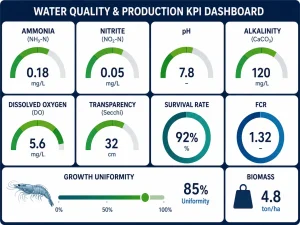
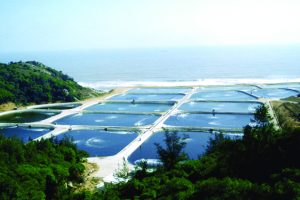
- Aquaculture Operations: Focusing on volatile water quality parameters (ammonia, nitrite spikes), systemic Vibrio outbreaks, low post-larvae survival rates, and metabolic growth retardation.
- Crop Production Matrices: Targeting continuous cropping obstacles, soil structure degradation, mineral nutrient assimilation deficiencies, and heavy soil-borne pathogenic pressures.
2. Trial Design and Standardized Treatment Protocols
A scientifically sound comparison represents the absolute threshold for generating high-credibility, replicable field data. GEMBIOZ protocols mandate symmetric trial configurations:
- Rigorous Control Mapping: Under identical housing, genetic lines, and feeding schedules, parallel Control Groups and GEMBIOZ Treatment Groups are established with proper replication strategies to filter out ambient environmental noise.
- Transparent Application Parameters: Complete disclosure of probiotic product identities, specialized formulation technologies (e.g., heat-stable microencapsulated powder or highly active liquid multi-species consortia), precise dosing rates, delivery intervals, and administrative delivery systems.
Standardized Protocol Example:
• Product: GEMBIOZ 300L Synbiotic Microbial Solution (Liquid Matrix)
• Dosing Strategy: 1 L per metric ton of complete compound feed, administered via continuous supplementation throughout the animal’s entire production cycle.
3. Multi-Parametric Key Performance Indicators (KPIs)
Objective biological performance must be supported by traceable quantitative metrics. GEMBIOZ implements a cross-sector tracking matrix to analyze field outcomes:
| Industrial Sector | Primary Ecological KPIs | Downstream Evaluation Metrics |
|---|---|---|
| Animal Production | Body Weight (BW), Average Daily Gain (ADG), Feed Conversion Ratio (FCR), Flock/Herd Uniformity. | Stage Mortality, Veterinary Medication Expenditure, Mucosal Immunoglobulins, Apparent Nutrient Digestibility. |
| Aquaculture Systems | Final Survival Rate (SR), Specific Growth Rate (SGR), Feed Conversion Ratio (FCR). | Dynamic Water Quality Profiles (DO, Ammonia, Nitrite), Absolute Pathogenic Vibrio Counts. |
| Crop Cultivation | Seed Germination Velocity, Lateral & Taproot Development Density, Total Crop Yield Improvement Rate. | Rhizosphere N-P-K Assimilation Efficiency, Soil-Borne Disease Severity Index. |
4. Monitoring, Data Transparency, and Inventory Control
Maintaining a standardized protocol for transparent data collection eliminates subjective bias and forms the bedrock of institutional trust. Case study coordinators execute strict weekly monitoring, including performance measurements, climate tracking, feed consumption logs, and automated water or soil laboratory chemistry profiling.
Every data package is backed by verifiable supporting assets, including high-resolution field photography, critical handling videos, third-party certified laboratory blind reports, and unedited customer barn logs. To secure absolute data integrity, all powder and additive inventory records must be logged strictly as direct individual item counts, without multiplying by package weights, preventing reporting distortions.
5. Comparative Field Analysis
Final reports avoid vague text generalizations, utilizing direct parallel comparisons between control and treatment groups to clearly outline the structural improvements delivered by the GEMBIOZ program:
| Performance Parameter | Control Group | GEMBIOZ Group | Net Improvement Rate |
|---|---|---|---|
| Final Market Weight | 2.00 kg | 2.20 kg | +10.0% |
| Feed Conversion Ratio (FCR) | 1.60 | 1.45 | -9.38% (Efficiency Boost) |
| Total Cycle Mortality | 5.0% | 2.5% | -50.0% (Mortality Halved) |
| Flock/Herd Uniformity | 75.0% | 90.0% | +20.0% |
6. Economic Evaluation and Bulletproof ROI Architecture
In a volatile agricultural economy, biological breakthroughs are meaningless unless they successfully translate into bottom-line profits. Probiotic inclusion represents a calculated investment strategy that must survive fiscal audit:
Our economic evaluation compiles all Additional Input Costs (including the product investment, on-site labor adjustments, and regular lab analytics) and balances them against Quantifiable Operational Benefits (gains in final harvested biomass, feed cost savings from lower FCR, hidden capacity recovery from halved mortality, and reductions in veterinary medication bills). Applying a transparent financial formula isolates the true net margin:
Financial Model Breakdown:
If an intensive farming unit allocates USD 500 for the GEMBIOZ program and generates an additional gross profit of USD 3,500 through optimized KPIs, the Net Benefit Gain stands at USD 3,000. This precise stoichiometric cost-modeling delivers a massive 600% Return on Investment (ROI) for corporate decision-makers.
7. Scientific Interpretation: Bridging Field Observations and Biological Mechanisms
Data without scientific context is merely a coincidence. The peak value of a GEMBIOZ case study lies in utilizing HYGEM’s R&D matrix to translate frontline data into precise cellular and biochemical modes of action:
- Optimizing Gut Microbiome Homeostasis: High colonization kinetics of target strains enrich native beneficial microflora, preserving mucosal structural dynamics.
- Enhancing Apparent Nutrient Digestibility: Microbes secrete key extracellular enzymes and short-chain fatty acids (SCFAs) that break down anti-nutritional factors and optimize villus-to-crypt architecture.
- Targeted Pathogenic Competitive Exclusion: Continuous secretion of tailored bacteriocins and competitive niche occupation cuts off the colonization pathways of external pathobionts.
- Establishing Environmental Microecological Stability: Applied strains exhibit functional redundancy across external matrices (pond sediment or waste bedding), accelerating nitrogen/phosphorus detoxification and looping.
Conclusion: Standardized Efficacy for Global Integration
Scientific rigor and field replicability define the soul of the GEMBIOZ validation philosophy. We maintain that only stable, traceable case studies supported by solid R&D logic can reliably secure the strategic trust of international distributors, procurement executives, and large-scale integrators. By advancing this structured framework globally, we turn complex microbiology into compelling commercial assets that deliver replicable, high-yield efficiency across the global agritech landscape.