
Executive Summary
In modern livestock production, gut health is no longer only a digestive topic. It is directly linked to nutrient absorption, immune stability, pathogen resistance, feed efficiency, and overall production performance. The intestinal barrier is the first biological interface between feed, microorganisms, metabolites, and the animal host.
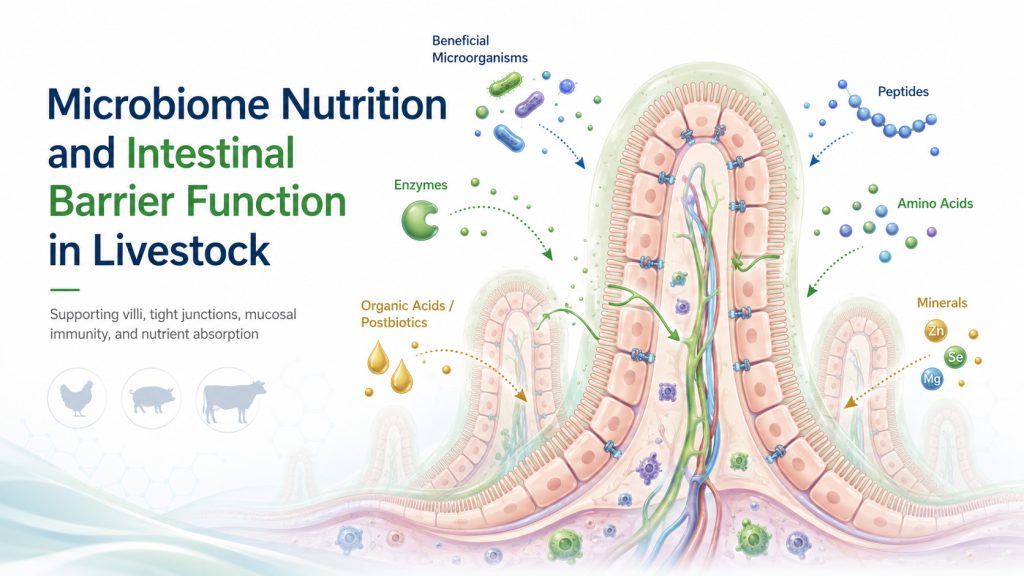
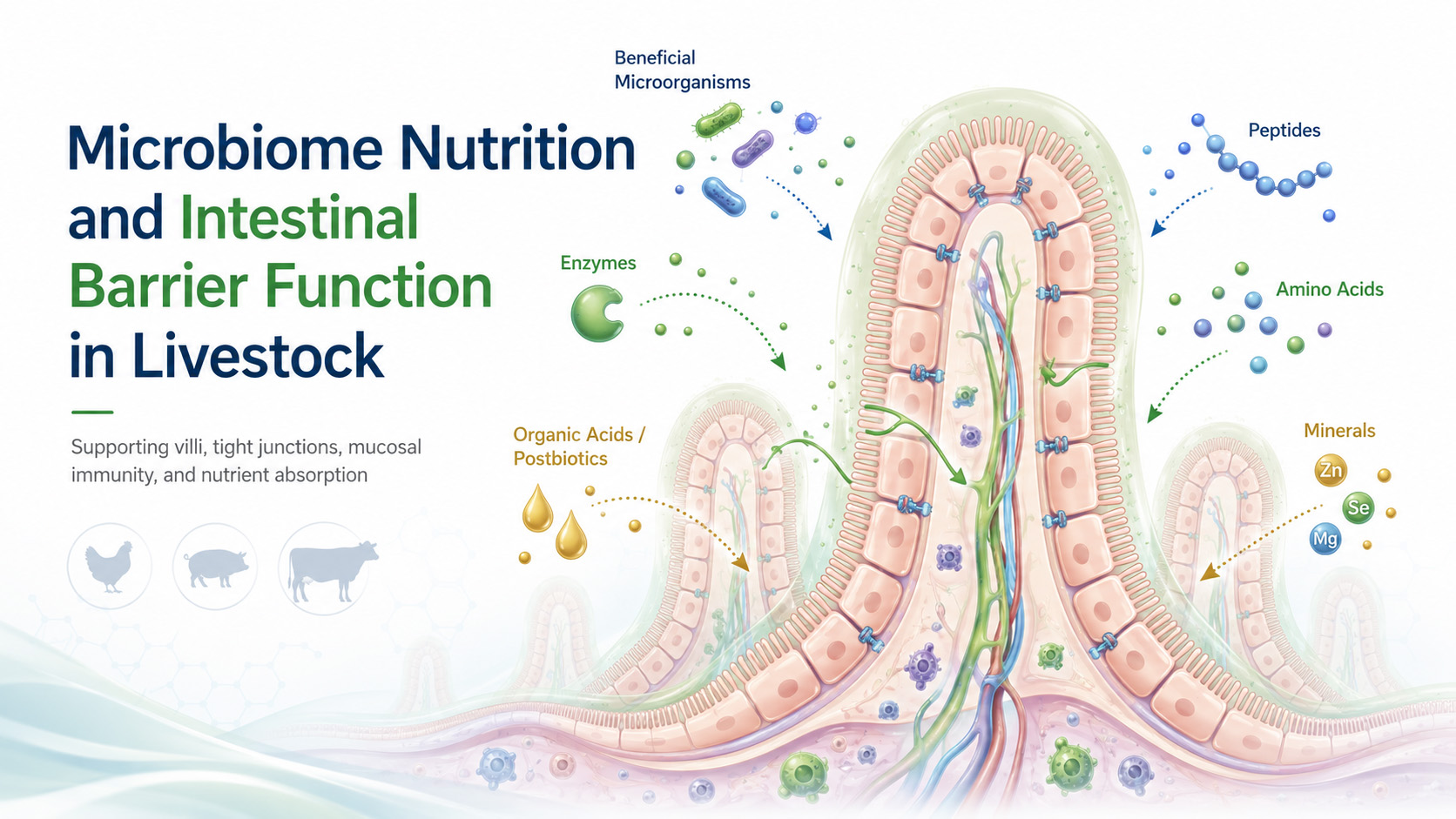
Microbiome nutrition provides a practical way to support this barrier. By using beneficial microorganisms, fermentation-derived nutrients, organic acids, peptides, enzymes, and postbiotic metabolites, producers can help maintain intestinal villi structure, tight junction integrity, mucosal immunity, and microbial balance.
Why the Intestinal Barrier Matters in Livestock Production
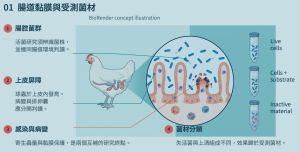
The intestine is not only responsible for digestion and absorption. It is also one of the largest immune interfaces in the animal body. Every day, the intestinal surface is exposed to feed ingredients, environmental microorganisms, toxins, pathogens, and metabolic by-products.
When the intestinal barrier is stable, nutrients can be efficiently absorbed while harmful substances are restricted from crossing into the bloodstream. When the barrier is weakened, animals may experience inflammation, poor nutrient utilization, diarrhea, uneven growth, immune stress, and reduced production efficiency.
For livestock producers, this means that intestinal barrier function is closely related to practical field indicators such as feed conversion ratio, body weight gain, survival rate, uniformity, egg production stability, and disease control pressure.
The Four Layers of Gut Barrier Protection
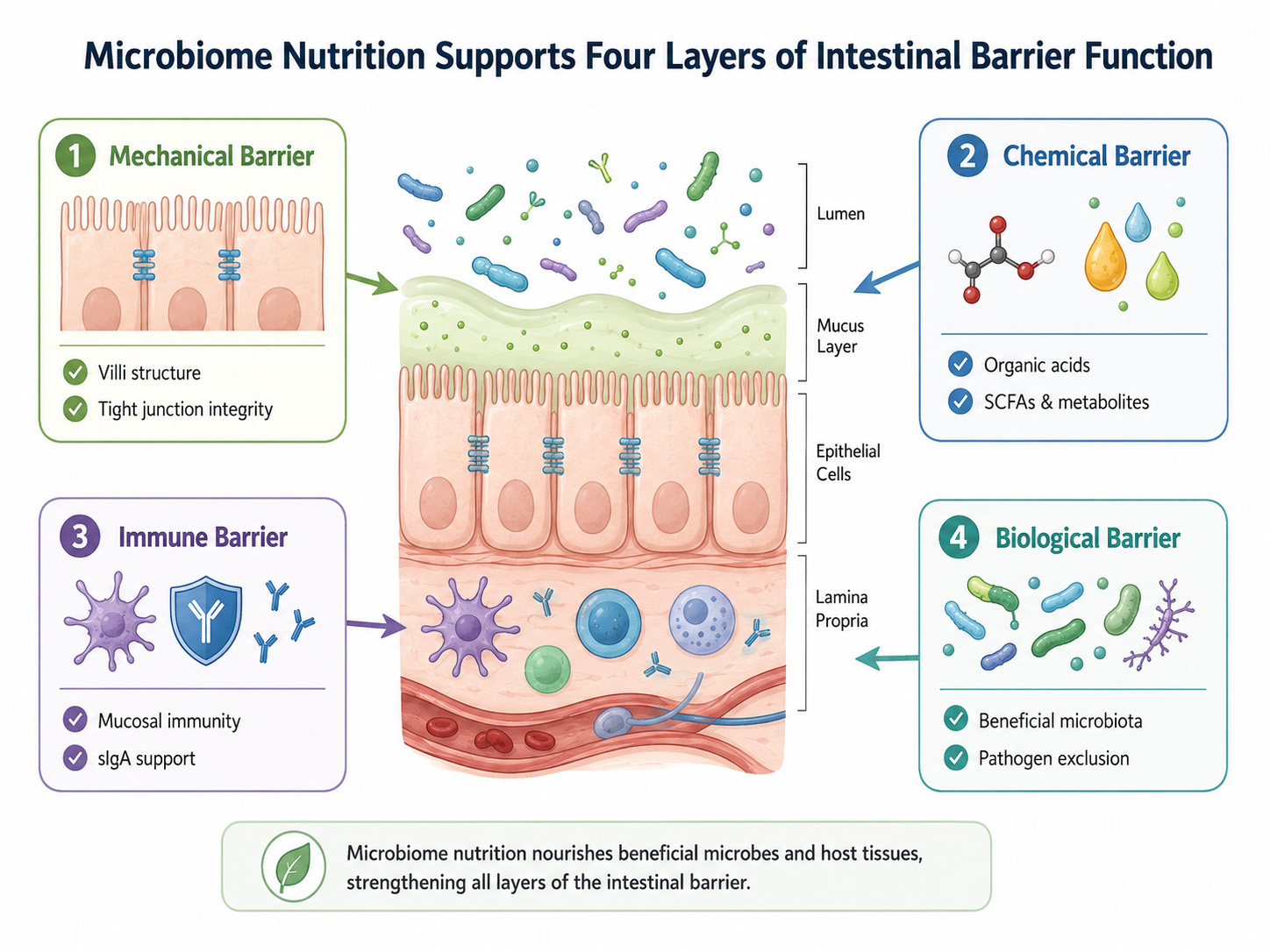
1. Mechanical Barrier: Villi, Epithelium, and Tight Junctions
The mechanical barrier is formed by intestinal epithelial cells, villi, crypts, mucus, and tight junction proteins. Intestinal villi increase the absorptive surface area, while epithelial cells create a selective barrier that allows nutrients to pass but limits unwanted substances.
Tight junctions act like biological seals between epithelial cells. When tight junction integrity is strong, the intestine can better control permeability. When tight junctions are disrupted, harmful compounds and pathogens may more easily cross the intestinal wall.
2. Chemical Barrier: Organic Acids and Microbial Metabolites
Beneficial microorganisms produce organic acids and other metabolites that help shape the gut environment. Short-chain fatty acids, such as acetate, propionate, and butyrate, are important microbial metabolites associated with intestinal homeostasis.
These metabolites help create a more favorable intestinal environment, support epithelial cell energy metabolism, and participate in immune regulation. In livestock nutrition, fermentation-derived organic acids and postbiotic metabolites can therefore be positioned as part of a gut barrier support strategy.
3. Immune Barrier: Mucosal Immunity and sIgA
The gut immune system must maintain a delicate balance. It needs to tolerate feed and beneficial microorganisms while still responding to pathogens. Mucosal immunity plays a key role in this balance.
Secretory IgA, immune cells, cytokine regulation, and gut-associated lymphoid tissue are all involved in intestinal immune protection. A stable microbiome can help train and regulate mucosal immune responses, reducing unnecessary inflammatory pressure while improving resilience against microbial challenges.
4. Biological Barrier: Beneficial Microbiota
The biological barrier is formed by beneficial microorganisms that compete with pathogens for nutrients and adhesion sites. A balanced microbiota helps reduce pathogen colonization pressure and supports stable fermentation patterns in the gut.
Beneficial bacteria may also produce organic acids, bacteriocin-like substances, enzymes, and other metabolites that improve gut ecology. This is why microbiome nutrition should not be viewed as a single-function additive, but as a system for supporting the interaction between feed, microbiota, and the host animal.
 How Microbiome Nutrition Supports Barrier Function
Microbiome nutrition can support intestinal barrier function through several complementary mechanisms.
First, beneficial microorganisms help stabilize the intestinal microbial ecosystem. A more balanced microbiota reduces pathogen pressure and supports a healthier intestinal environment.
Second, microbial metabolites such as organic acids and short-chain fatty acids help regulate intestinal pH, epithelial function, and immune signaling.
Third, fermentation-derived nutrients, including peptides, free amino acids, and bioactive compounds, may support tissue repair, nutrient absorption, and intestinal resilience.
Fourth, enzyme-producing microorganisms can help break down feed components, release nutrients, and reduce undigested substrates that may otherwise promote harmful fermentation.
Together, these mechanisms create a more stable gut environment and help animals convert feed into growth, production, and health more efficiently.
From Barrier Integrity to Feed Efficiency
In commercial livestock production, intestinal barrier function must eventually connect to measurable field value. A stronger intestinal barrier can support better nutrient absorption, lower inflammatory waste, improved feed utilization, and more stable production performance.
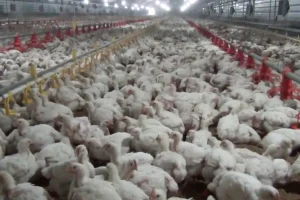
For broilers, this may appear as improved uniformity, better body weight gain, lower FCR, and stronger resistance to intestinal stress. For swine, it may support piglet gut stability, nursery performance, and better transition during stressful growth stages. For ruminants, microbiome nutrition may help stabilize fermentation patterns and support overall digestive efficiency. For aquaculture, gut and environmental microbiome management can work together to support water quality and animal resilience.
The key point is that gut barrier support is not only a health concept. It is also a production efficiency strategy.
GEMBIOZ Perspective: Precision Microbiome Nutrition
At GEMBIOZ, microbiome nutrition is viewed as an integrated system rather than a single product claim. The goal is to connect beneficial microorganisms, fermentation metabolites, postbiotics, enzymes, and field application data into a practical solution for animal production.
This approach supports four strategic directions:
-
Digestibility enhancement
-
Immune resilience
-
Pathogen pressure control
-
Sustainable production efficiency
By focusing on the intestinal barrier, GEMBIOZ helps producers move beyond traditional growth promotion and toward precision microbiome-based nutrition. This provides a scientific foundation for antibiotic-free production, better feed utilization, and more resilient livestock systems.
Conclusion
The intestinal barrier is one of the most important biological foundations of livestock health and productivity. It connects digestion, immunity, microbiota, and production performance into one integrated system.
Microbiome nutrition offers a practical and science-based approach to support this system. By maintaining villi structure, tight junction integrity, mucosal immunity, microbial balance, and metabolite function, livestock producers can improve both animal resilience and feed efficiency.
For the future of animal nutrition, the question is no longer whether the microbiome matters. The real question is how precisely we can manage it.