
Modern livestock and aquaculture production stand at a critical crossroads. Producers are under immense pressure to improve feed efficiency, reduce antibiotic dependency, and maintain peak animal performance under intensive farming conditions.
In this market transition, the animal microbiome has emerged as the most critical biological system connecting nutrition, immunity, intestinal barrier integrity, and pathogen pressure management.
At HYGEM International Inc., animal microbiome technology is approached not simply as “adding probiotics” into feed, but as a highly integrated Platform Approach. By connecting strain screening, high-density fermentation, functional formulation design, and postbiotic development, we translate advanced microbial science into stable, commercialized animal nutrition and health solutions.
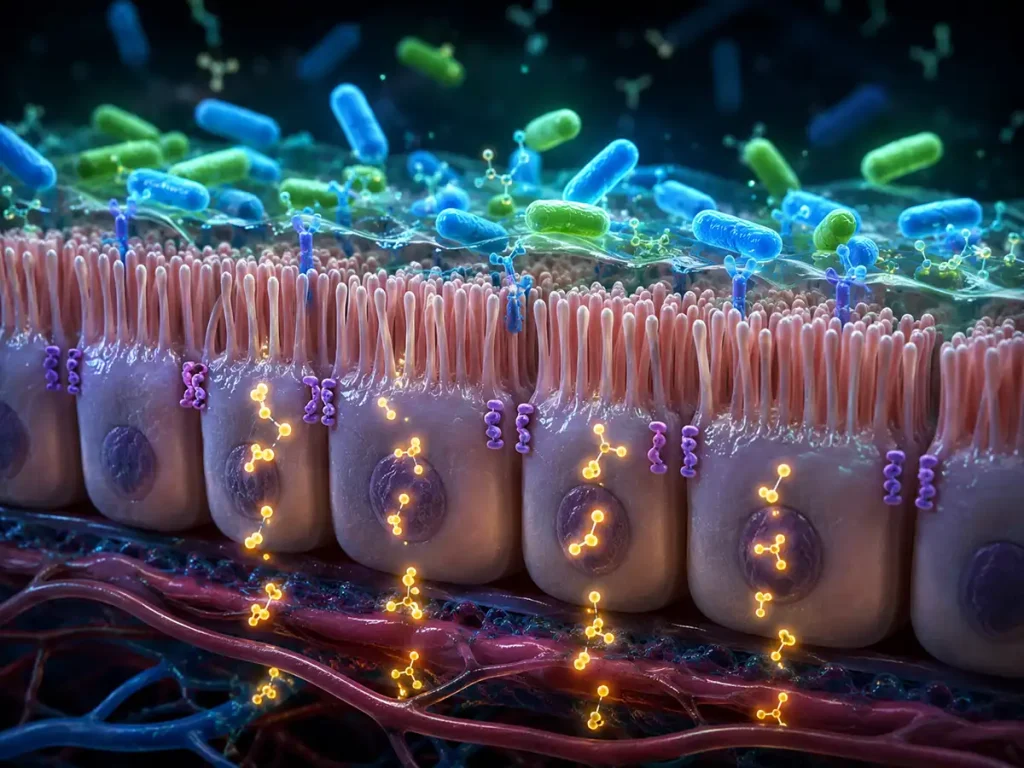
1. The Microbiome as a “Functional Layer” of Precision Nutrition
Traditional feed formulation focuses heavily on raw nutrients such as protein, energy, amino acids, minerals, and vitamins. However, these components do not act in isolation. Once feed enters the gastrointestinal tract, it interacts with a dense, dynamic microbial ecosystem. Microbiome management does not replace good formulation or biosecurity; rather, it acts as a functional layer that maximizes the consistency and ROI of existing nutrition programs.
📊 Table 1: Commercial & Technical Comparison of Microbial Formats
| Technology Format | Definition & Composition | Core Functional Benefits | B2B Commercial Considerations | HYGEM Platform Advantage |
| Probiotics | Live microorganisms selected for specific functional properties. | Optimizes gut microbiota, secretes exogenous enzymes, outcompetes pathogens via competitive exclusion. | Strain viability, heat/pressure tolerance during feed pelleting, and shelf-life stability. | Screening of high-stress tolerant strains combined with optimized micro-encapsulation technologies. |
| Synbiotics | A synergistic combination of probiotics and specific prebiotics. | Delivers both the “seed” and the “fuel,” accelerating the colonization and proliferation of beneficial bacteria. | Scientific validation of the synergistic effect; compatibility with various feed matrices. | Precision target formulation design ensuring optimal substrate-strain compatibility. |
| Postbiotics | Non-living microbial cells, cell components, and their soluble metabolites. | Contains organic acids, small peptides, and cell wall fractions (e.g., beta-glucans) to directly trigger immune and barrier pathways. | Completely heat-stable and pressure-resistant during harsh feed processing; unmatched shelf stability. | Optimization of metabolite yields, delivering standardized molecular weights and highly consistent functional profiles. |
2. Core Physiological Mechanisms
🧪 Digestibility Enhancement & FCR Optimization
Beneficial microbial strains secrete endogenous enzymes (such as proteases, amylases, and non-starch polysaccharide degrading enzymes) and generate organic acids to optimize intestinal pH. This supports the breakdown of complex feed substrates, reduces the amount of undigested nutrients reaching the hindgut, and mitigates abnormal fermentation, leading to a lower Feed Conversion Ratio (FCR) and better manure quality.
🛡️ Intestinal Barrier Integrity: The First Line of Defense
The gut epithelium is the primary interface between the external diet and the animal’s internal physiology. By promoting beneficial populations, stabilizing the mucus layer, and upregulating tight junction proteins, HYGEM’s microbiome strategies construct a resilient biological barrier. This allows animals to maintain performance during antibiotic-growth-promoter-free (AGP-Free) transitions.
🧬 Immune Readiness: Balancing Response and Energy Expenditure
Excessive immune activation consumes valuable energy and compromises growth performance. The goal of microbiome-based nutrition is Immune Readiness—achieving a state of immunological balance. Through signaling via short-chain fatty acids (SCFAs) and cell wall components, the mucosal immune system is trained to respond appropriately to external challenges without maintaining costly chronic inflammation during high-stress transition periods (e.g., weaning, feed changes, heat stress).
3. Species-Specific Application Scenarios
Microbiome solutions must be tailored to the distinct anatomy and production challenges of different species. HYGEM designs targeted strategies to address specific commercial pain points:
📊 Table 2: Application Matrix Across Major Economic Species
| Target Species | Key Application Challenges | Microbial Mechanism of Action | Expected Production Outcomes |
|
Poultry
(Broilers, Layers, Breeders) |
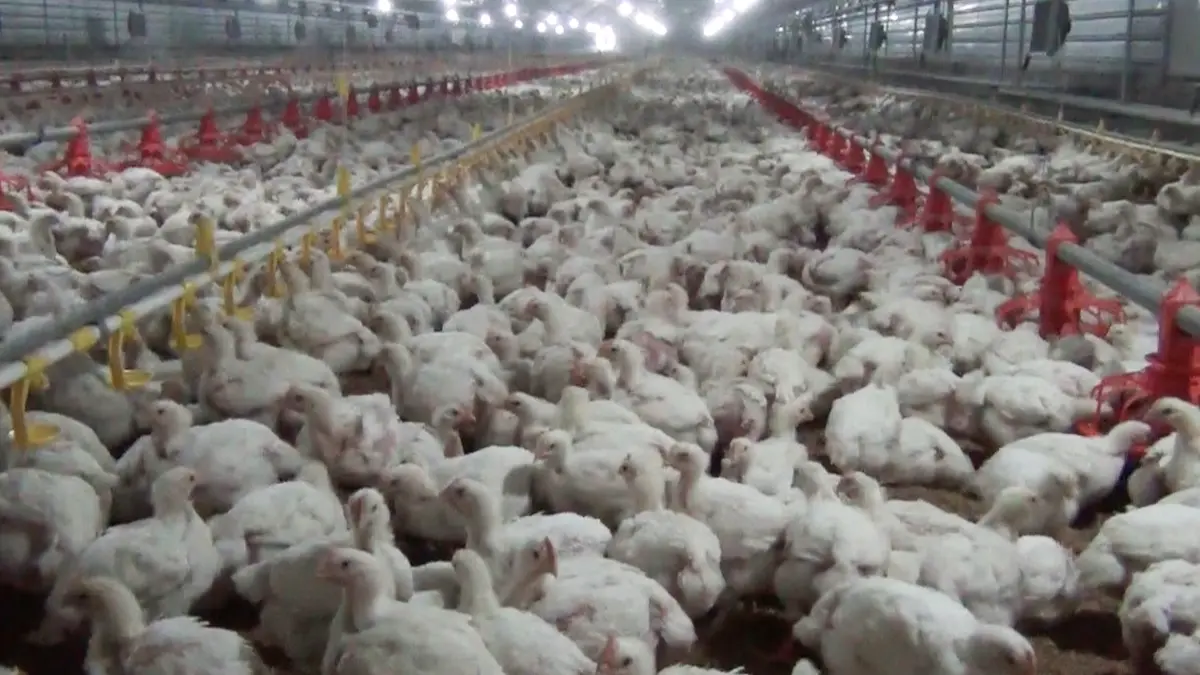
Early-stage gut development, late-stage layer performance decline, wet litter, and ammonia odor. | Enhances nutrient absorption, stabilizes the epithelial barrier, and reduces hindgut malabsorption. | Decreased FCR, improved eggshell quality, extended laying persistence, and enhanced litter quality. |
|
Swine
(Piglets, Grow-Finishers) |
Weaning stress, post-weaning diarrhea, immature immune systems, and feed transition shocks. | Cushions the microbiota shift during weaning, accelerates gut morphological development, and suppresses pathogen pressure. | Drastically reduced incidence of diarrhea, increased weaning weights, and lower environmental odor in finisher barns. |
|
Ruminants
(Beef & Dairy Cattle) |
Rumen fermentation efficiency, dietary transitions (high-grain shifts), and heat stress. | Optimizes rumen microbial ecology, promotes Volatile Fatty Acid (VFA) production, and stabilizes rumen pH. | Higher fiber digestibility, stabilized milk components (fat/protein), and reduced risk of subacute rumen acidosis (SARA). |
|
Aquaculture
(Fish & Shrimp) |
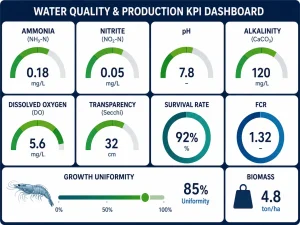
Short digestive tracts, water quality fluctuations, and bottom sludge accumulation from feed waste. | Dual-action management (Gut + Water). Degrades toxic ammonia nitrogen in water while competitively excluding Vibrio in the gut. | Stabilized water bloom and pond ecology, optimal gut filling/health in shrimp, and reduced disease mortality. |
4. From Lab to Farm: Accelerating Commercialization
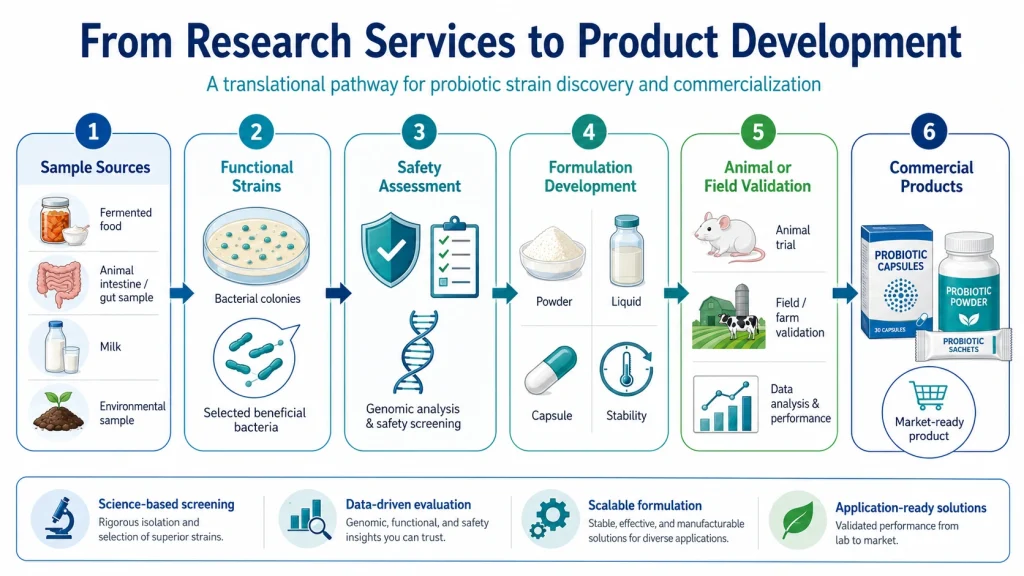
A strain that exhibits strong pathogen inhibition in a laboratory petri dish does not automatically succeed at a commercial scale. HYGEM’s workflow bridges the gap between raw biotechnology and industrial-scale economics:
-
Upstream Regulatory Compliance: Strains are screened via genome sequencing at the earliest stage to guarantee they are free from Antimicrobial Resistance (AMR) genes or opportunistic virulence factors, securing smooth global market access.
-
Industrial Scale-up Capabilities: Advanced smart data management and strict contamination controls ensure high viable counts ($\text{CFU/g}$) and standardized metabolite profiles batch-by-batch.
-
Navigating Regulatory Safeguards: In international B2B commerce, HYGEM avoids pharmaceutical/disease treatment claims. Instead, we position products to “support gut resilience, optimize microbial balance, and reduce environmental pathogen pressure,” mitigating legal risks for feed mills and integrators worldwide.