
Microbiome Resilience Against Avian Influenza Pressure in Poultry Health
Introduction and Background
Highly pathogenic avian influenza (HPAI) is one of the most disruptive viral diseases affecting the global poultry industry. As high-risk subtypes such as H5 and H7 continue to evolve, spread across regions, and challenge commercial poultry systems, disease control must remain centered on biosecurity, surveillance, official reporting, vaccination strategy where applicable, and rapid veterinary response.
However, for large-scale poultry farms, feed companies, and integrated broiler or layer operations, another question is becoming increasingly important: in a modern production system where viral environmental risk cannot be completely eliminated, can microbiome management help strengthen gut stability, mucosal immune balance, and stress resilience?
This is where the HYGEM / GEMBIOZ microbiome technology platform can play a scientifically responsible role. Microbial products should not be described as avian influenza treatments, nor should they replace biosecurity or vaccination. Yet a growing body of research suggests that the gut microbiota, short-chain fatty acids, probiotics, postbiotics, and the gut-lung axis may participate in innate immunity, mucosal barrier function, and physiological responses after viral challenge. In other words, the value of microbiome technology is not to “kill the virus directly,” but to help poultry flocks build a more stable biological foundation.
1. Avian Influenza Is Not Only a Respiratory Virus Challenge
Avian influenza is often discussed as a respiratory disease, but in poultry production, viral pressure may interact with the respiratory tract, gut barrier, immune system, and environmental stress at the same time. Low pathogenic avian influenza models, especially H9N2 models, have been widely used to study the relationship between the gut microbiota and respiratory immune responses in chickens.
H9N2 should not be treated as identical to HPAI H5N1 or H7 viruses. However, it provides an important scientific model: poultry microbiome status may influence mucosal immunity, innate antiviral responses, and viral shedding patterns after infection pressure.
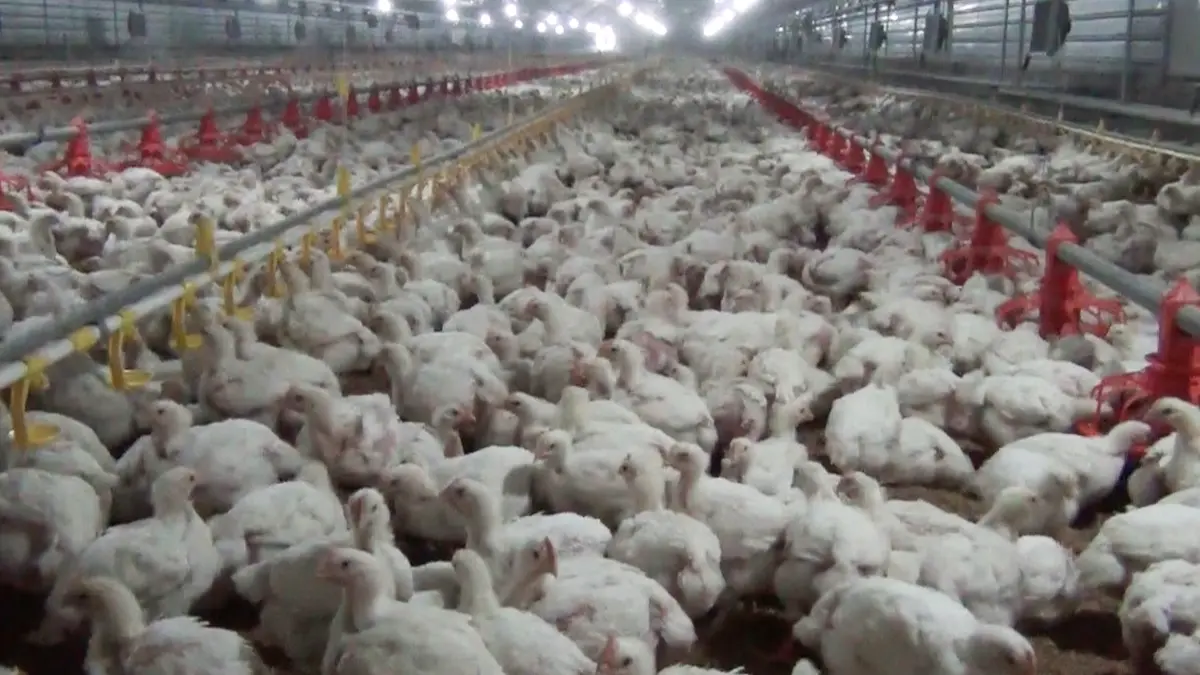
In commercial poultry farms, high stocking density, litter quality, ammonia, heat stress, mycotoxins, enteritis, coccidiosis, vaccination stress, and respiratory pressure may all weaken gut barrier integrity and immune stability. When the gut microbiota becomes unstable, short-chain fatty acid production declines, or mucosal barriers are compromised, birds may become less resilient under environmental and pathogen pressure.
The goal of microbiome management is therefore to reduce background health pressure and help flocks maintain a stronger baseline condition when facing unpredictable disease risks.
2. The Gut-Lung Axis: A Key Bridge Between Microbiome and Antiviral Response
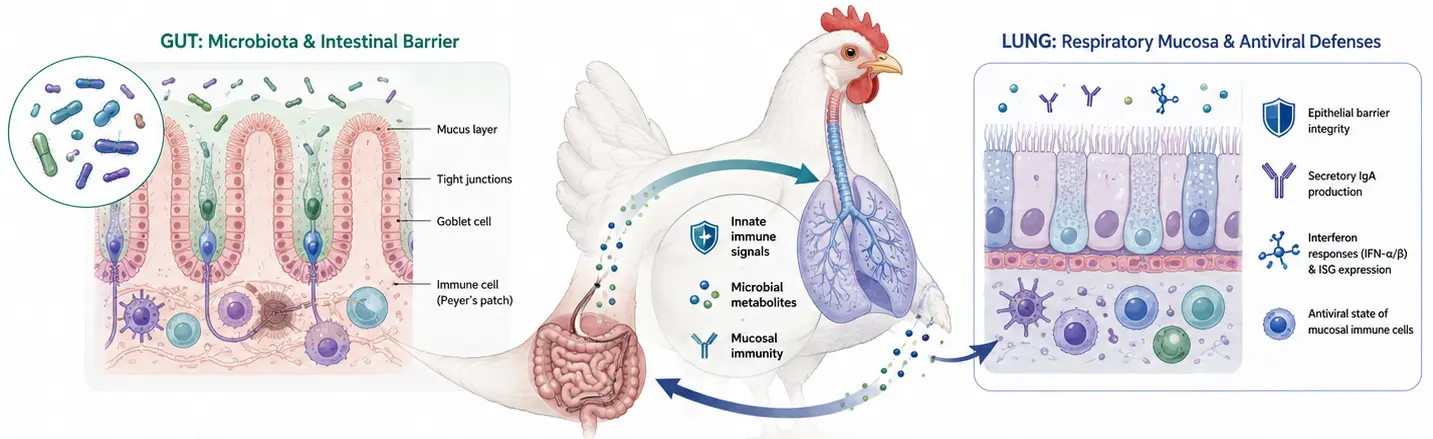
Recent research on the gut-lung axis is reshaping how poultry health is understood. The intestinal microbiota does not function only inside the digestive tract. Microbial metabolites, cell wall components, and immune-modulating signals may influence respiratory tissues through circulation, mucosal immunity, and innate immune pathways.
Suggested Figure Reference: A gut-lung axis infographic can show the pathway from GEMBIOZ intervention to cecal microbiota, SCFA production, gut barrier function, sIgA, lung interferon-stimulated genes, and poultry production resilience.
2.1 Probiotics and Innate Immune Activation
In H9N2 chicken models, antibiotic depletion of the gut microbiota has been associated with increased viral shedding and altered innate immune responses, including interferon-related pathways and IL-22 expression. When microbial communities were partially restored through probiotic combinations or microbiota transfer approaches, improvements in viral shedding patterns and immune markers were observed in experimental settings.
This does not mean probiotics prevent avian influenza. Rather, it suggests that gut microbiota may participate in early innate immune regulation and mucosal defense readiness.
2.2 Butyrate and Short-Chain Fatty Acid Signaling
Short-chain fatty acids (SCFAs), especially butyrate, are important microbial metabolites linking gut ecology, epithelial function, metabolism, and immunity. Butyrate can support epithelial barrier integrity, modulate inflammatory signaling, and may participate in interferon-stimulated gene expression along the gut-lung axis.
For poultry health management, this means microbial technologies should not be limited to live bacteria alone. Fermentation metabolites, postbiotic fractions, and metabolite-oriented formulations may help create a more stable immune-metabolic environment.
2.3 Postbiotics and Mucosal Stability
Postbiotics may include inactivated microbial cells, cell wall fragments, metabolites, peptides, enzymes, and fermentation supernatants. Compared with live microbial formats, postbiotics may offer advantages in process stability, heat tolerance, storage, and feed pelleting compatibility.
For high-risk poultry production systems, postbiotic strategies can be positioned as stable immune-nutrition tools that support gut barrier function, antioxidant balance, and mucosal stability under validated conditions.
3. HYGEM / GEMBIOZ Positioning: Not an Antiviral Drug, But a Health Resilience Platform
When communicating around avian influenza, HYGEM / GEMBIOZ must maintain a clear scientific boundary. Microbiome products are not avian influenza vaccines, antiviral drugs, diagnostic tools, or substitutes for official disease-control measures.
The correct positioning is a poultry health resilience platform focused on measurable and field-trackable biological indicators.
| Technical Dimension | Trackable Scientific Indicators and Field Meaning |
|---|---|
| Gut Microbiome Stability | Track Lactobacillus, Bacillus, short-chain fatty acids, fecal condition, villus structure, and microbiota diversity to evaluate baseline gut stability. |
| Mucosal Immunity and Gut-Lung Axis | Monitor IFN-α, IFN-β, OASL, IL-22, sIgA, lysozyme activity, and respiratory inflammation markers to build a research model linking microbiome status with antiviral immune readiness. |
| Stress Resilience and Production Stability | During heat stress, flock transfer, vaccination, coccidiosis recovery, or respiratory pressure, evaluate feed intake, FCR, mortality, uniformity, egg quality, and recovery speed. |
4. From Literature to Product Development: A HYGEM Research Validation Framework
To make microbiome technology credible under the context of avian influenza risk, HYGEM / GEMBIOZ should avoid vague language such as “boosting immunity” and instead build a repeatable validation system that can be translated into product development dossiers, technical white papers, and international customer education materials.
The proposed framework can be described as a Poultry Microbiome Resilience Platform. It uses probiotics, synbiotics, postbiotics, fermentation metabolites, and multi-omics analysis to support poultry gut barrier function, mucosal immunity, and production stability under high-density farming, vaccination, heat stress, respiratory pressure, and pathogen background risk.
4.1 In Vitro Immune Cell Models: Building the First Product-Mechanism Link
The first layer should begin with safe, controlled, and repeatable in vitro models. HYGEM can use chicken cecal tonsil mononuclear cells, intestinal epithelial cells, macrophage-like immune cells, or respiratory epithelial models to compare how GEMBIOZ probiotics, postbiotics, and fermentation metabolites influence immune signaling.
The goal is not to prove that a product “fights HPAI.” The more scientific and compliant question is whether specific microbiome-derived components can modulate biomarkers related to mucosal defense, interferon response, antioxidant balance, and controlled inflammatory signaling.
| In Vitro Module | Test Materials | Core Biomarkers | Product Development Value |
|---|---|---|---|
| Chicken Cecal Tonsil Immune Cells | Live probiotics, heat-inactivated cells, postbiotics, fermentation supernatant | IFN-α, IFN-β, IFN-γ, IL-22, TLR3, TLR7, TLR21 | Screen candidate formulas with mucosal immune modulation potential. |
| Intestinal Epithelial Barrier Model | SCFAs, peptides, cell wall fragments, synbiotic fermentation metabolites | ZO-1, Occludin, MUC2, TEER, inflammatory cytokines | Build evidence for gut barrier and villus health support. |
| Respiratory Epithelial Model | Butyrate-related postbiotics, Lactobacillus metabolites, Bacillus metabolites | OASL, MX1, ISG12, antiviral-related ISGs, ROS markers | Develop mechanistic support for gut-lung axis and respiratory mucosal resilience. |
| Macrophage-Like Immune Model | Microbial cell components, peptidoglycan, lipoteichoic acid, fermentation metabolites | Phagocytic activity, NO production, IL-1β, IL-6, TNF-α, IL-10 | Confirm whether immune stimulation is controlled, balanced, and not excessively inflammatory. |
4.2 Gut-Lung Animal Models: Translating Cell Signals into Poultry Physiology
The second layer should translate in vitro findings into safe and compliant animal models. Instead of using HPAI as a commercial claim model, HYGEM may consider low pathogenic respiratory pressure models, vaccination response models, heat stress models, coccidiosis recovery models, or respiratory stress models.
The key is to evaluate the gut microbiota and respiratory mucosal immunity within the same research framework. This allows HYGEM to differentiate itself from generic feed additive messaging and build a stronger scientific position in international poultry microbiome communication.
Suggested Gut-Lung Axis Animal Model Diagram
| Animal Model | Research Purpose | Primary Samples | Translational Value |
|---|---|---|---|
| Vaccination Response Model | Evaluate whether microbiome intervention supports post-vaccination recovery and antibody response stability. | Serum, spleen, cecal contents, respiratory swabs | Build scientific data for vaccine-compatible health management. |
| Low Pathogenic Respiratory Pressure Model | Observe the relationship between gut microbiota and respiratory mucosal immunity. | Cecum, lung, trachea, feces, serum | Support gut-lung axis research and respiratory health resilience positioning. |
| Heat Stress Model | Evaluate feed intake, antioxidant balance, gut barrier, and immune stability under high temperature. | Blood, intestinal tissue, liver, feces | Connect to common summer production fluctuation and heat stress markets. |
| Coccidiosis Recovery Model | Evaluate microbiome rebuilding and production recovery after intestinal damage. | Intestinal tissue, feces, feed intake, body weight, FCR | Build application data for gut repair, villus recovery, and scenario-based use. |
4.3 Field Health Resilience Tracking: Building a Microbiome-Immune-Production Database
The third layer should return to commercial poultry farms. HYGEM can build a field tracking system under routine production conditions, segmented by age, farm, season, feed formula, and management level. This system should not only record performance before and after product use. It should integrate gut microbiome indicators, immune markers, environmental stress, and production KPIs into one database.
For international B2B customers, this type of data is often more valuable than a single trial. Large poultry farms and feed companies need to understand whether a product can provide stable and predictable health support across different seasons, pathogen backgrounds, and management conditions.
| Tracking Module | Detection Tools | Core Indicators | Management Decision Value |
|---|---|---|---|
| Gut Microbiome | 16S rRNA sequencing, qPCR, microbiota diversity analysis | Lactobacillus, Bacillus, Clostridium, E. coli, microbiota stability | Evaluate whether gut ecology is shifting toward a more stable and beneficial profile. |
| Metabolites and Postbiotic Response | HPLC, GC-MS, SCFA analysis | Acetate, propionate, butyrate, lactate, GABA, organic acid profile | Connect fermentation metabolites with gut-level field responses. |
| Immune and Antioxidant Markers | ELISA, qPCR, biochemical analysis | sIgA, IgY, interferon-related genes, MDA, SOD, lysozyme | Assess post-vaccination recovery, heat stress response, and mucosal immune stability. |
| Production Performance | Farm daily records, batch data, feed records | Feed intake, body weight gain, FCR, mortality, uniformity, egg quality | Translate microbiome changes into business-relevant economic value. |
| Environmental and Management Pressure | Temperature-humidity records, ammonia monitoring, litter moisture, water quality | THI, NH₃, water microbial load, litter condition, heat stress days | Separate product effects from environmental management differences and improve data credibility. |
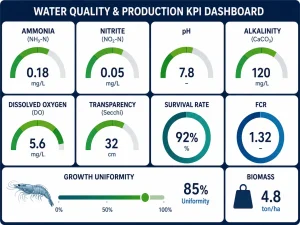
Suggested Field Data Dashboard
| Dashboard Block | Suggested Display | Value for Sales and Technical Teams |
|---|---|---|
| Health Resilience Score | Composite score integrating microbiome, immunity, antioxidant status, environmental pressure, and production KPIs. | Quickly identify whether a flock is in a high-risk, stable, or recoverable condition. |
| Microbiome Shift Map | Before-after microbiota change, key bacterial shifts, and SCFA changes. | Turn product response from “perceived effect” into visible microbiome evidence. |
| Production ROI View | FCR, mortality, uniformity, market weight, egg quality, and feed cost indicators. | Translate microbiome technology into economic language for distributors and customers. |
4.4 Biosecurity Integration: Microbiome Products Must Stay Inside the Disease-Control System
The fourth layer is application integration. This is especially important for avian influenza. HYGEM’s market communication must be clear: microbiome technology is not a substitute for isolation, monitoring, vaccination, reporting, disinfection, or official disease-control procedures. It should be positioned as a health resilience tool inside a complete biosecurity system.
In practice, GEMBIOZ can work alongside personnel and vehicle control, wild bird exclusion, drinking water hygiene, litter management, vaccination programs, mortality disposal, environmental monitoring, and official veterinary guidance.
| Biosecurity Layer | Main Management Content | Where GEMBIOZ May Support |
|---|---|---|
| Pathogen Exclusion | Personnel control, vehicle control, wild bird protection, equipment disinfection, farm zoning | Does not replace exclusion measures; supports flock health resilience and gut stability. |
| Environmental Stress Reduction | Ammonia, litter moisture, drinking water quality, heat stress management | May support gut stability, fecal condition, and stress resilience to reduce background pressure. |
| Vaccination Program Support | Vaccination schedule, post-vaccination observation, antibody and uniformity tracking | Supports nutrition and microbiome management during post-vaccination recovery periods. |
| Monitoring and Early Warning | qPCR, ELISA, mortality, feed intake, respiratory sign records | Can be integrated with 16S, SCFA, and immune indicators to form a health resilience database. |
4.5 Evidence Maturity Framework: From Research Hypothesis to International Product Dossier
To turn HYGEM’s scientific exploration into product development and international sales tools, an evidence maturity framework is recommended. Each level corresponds to a different data type and communication boundary, reducing the gap between R&D evidence and commercial claims.
| Evidence Level | Research Content | Possible Output | Market-Safe Communication |
|---|---|---|---|
| Level 1: Mechanism | In vitro cells, immune genes, postbiotic response, barrier markers | Mechanism note, R&D presentation, candidate formula screening table | Supports research on mucosal immunity and gut barrier-related mechanisms. |
| Level 2: Animal Model | Vaccination model, heat stress model, gut-lung axis model, coccidiosis recovery model | Technical report, trial summary, internal white paper | Supports poultry health resilience, post-vaccination recovery, and production stability. |
| Level 3: Field Tracking | Commercial farm batch tracking, KPI, microbiome, immunity, and environmental data | Field case report, ROI report, customer evidence package | Supports gut stability and production performance under defined field conditions. |
| Level 4: Market Package | Cross-farm data integration, claim boundary, usage guidance, distributor education | Product dossier, distributor training deck, SEO scientific article | Positioned as a poultry microbiome health resilience platform, not a replacement for vaccines or biosecurity. |
Through this four-level validation framework, HYGEM can translate gut-lung axis research, butyrate biology, probiotic mechanisms, and antiviral immune signaling into a practical product development roadmap. The final output is not a single “antiviral product,” but a scalable poultry microbiome health resilience database that includes candidate strains, postbiotic formulas, fermentation metabolites, dosage formats, field KPIs, regulatory-safe language, and international market education materials.
Compliance note: This framework is intended only for scientific exploration of poultry health resilience, gut microbiome stability, mucosal immunity, and production stability. Any diagnosis, prevention, sampling, reporting, culling, vaccination, or farm control related to highly pathogenic avian influenza must follow local veterinary authorities and biosecurity regulations. HYGEM / GEMBIOZ microbiome products must not be described as treatment, prevention, or replacement for official HPAI control measures.
5. Strategic Meaning for HYGEM’s International Market
For large feed mills, breeder farms, and integrated poultry companies, avian influenza is not only a disease-control issue. It is also a supply-chain resilience issue. When outbreak risk increases, companies need more than one product. They need a health management platform that can be explained, validated, tracked, and integrated into existing farm systems.
HYGEM / GEMBIOZ can position microbiome technology as a Poultry Microbiome Resilience Platform. Through probiotics, synbiotics, postbiotics, fermentation metabolites, and multi-omics testing, the platform can support more stable physiological conditions under high-density farming, climate stress, vaccination, and background pathogen pressure.
This positioning is more scientifically credible than claiming “antiviral effects.” It is also safer for international B2B communication, regulatory review, and long-term brand trust.
Conclusion: Building Poultry Health Resilience Through Microbiome Science
Control of highly pathogenic avian influenza must remain grounded in official veterinary systems, biosecurity, vaccination strategy, surveillance, reporting, and rapid response. The role of HYGEM / GEMBIOZ microbiome technology is to support poultry health resilience outside, and alongside, these core disease-control measures.
The most valuable microbiome technology does not replace science with exaggerated claims. It uses measurable biomarkers, repeatable experiments, and field-relevant data to show how microbial platforms may support gut stability, mucosal immune balance, stress resilience, and production consistency.
In an era of long-term avian influenza risk, this is an important direction for HYGEM’s scientific exploration and international microbial technology platform development.
Further Reading
- HYGEM Animal BioSolutions
- HYGEM Integrated Microbial Bioengineering Platform
- GEMBIOZ Microbiome Solutions
- Scientific Research Articles
Scientific References / Data and Figure Directions
Official disease-control references: WOAH Avian Influenza disease guidance; FAO Global AIV situation updates; FAO/WOAH global strategy for prevention and control of high pathogenicity avian influenza. These sources should be used to support statements on biosecurity, surveillance, reporting, vaccination policy, and official disease-control boundaries.
Mechanistic research directions: Yitbarek et al., Scientific Reports, 2018, on gut microbiota-mediated protection against H9N2 in chickens and innate immune modulation; Saint-Martin et al., Communications Biology, 2024, on gut microbiota, butyrate, metabolism, and antiviral immunity along the chicken gut-lung axis.
Probiotic and vaccine-response directions: Alqazlan et al., Vaccines, 2020, on probiotic Lactobacilli and H9N2 replication in chicken cecal tonsil mononuclear cells; Alqazlan et al., Viral Immunology, 2021, on probiotic Lactobacilli and immunogenicity of an inactivated H9N2 avian influenza vaccine.
Field and application directions: Rasaei et al., Poultry Science, 2023, on probiotic Bacillus and Lactobacillus application in broilers experimentally challenged with H9N2; additional poultry microbiome, postbiotic, SCFA, and gut barrier literature from Poultry Science, Animal Nutrition, Frontiers in Microbiology, Scientific Reports, and Communications Biology.
Suggested data figures for HYGEM internal white paper: Figure 1, gut-lung axis mechanism map; Figure 2, GEMBIOZ four-level evidence maturity framework; Figure 3, field dashboard model integrating microbiome shift, SCFAs, immune markers, environmental pressure, FCR, mortality, and uniformity; Table 1, biomarker panel for poultry microbiome resilience; Table 2, biosecurity integration matrix.
Disclaimer: This article is intended for scientific communication and educational purposes only. HYGEM / GEMBIOZ microbiome technologies are positioned as poultry health resilience support tools and must not be interpreted as treatment, prevention, or replacement for official avian influenza control measures, veterinary diagnosis, vaccination programs, biosecurity, reporting, or government disease-control regulations.