
Explore the Latest News & Medias

Genomic Engineering Microbiome

News & Medias Release

Research Achievements Special Report

Articles Related To Scientific Innovation Microbiome ...

Articles Related To Global Trends Sustainable Policy&Regulation ...

Articles Related To Animal Microbiome Agro Microbiome Industrial Microbiome Bioengineering ...

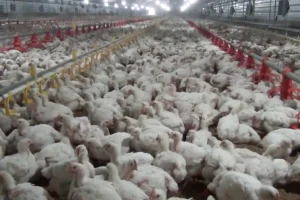
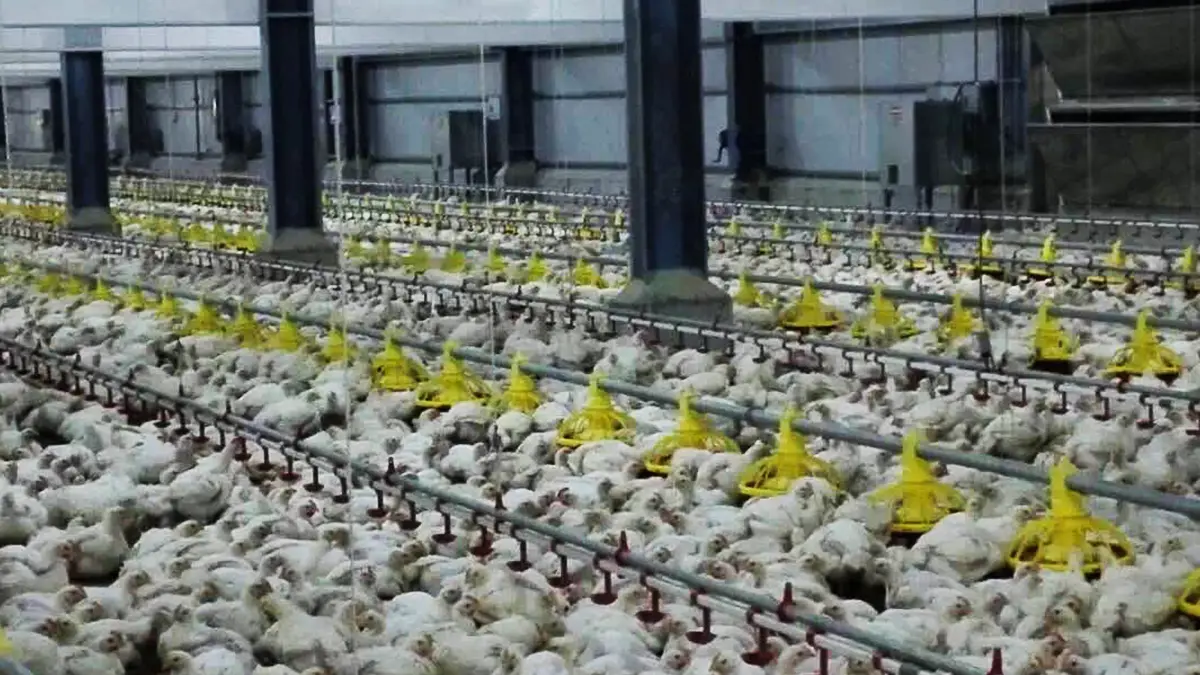
Lactobacilli, synbiotics and postbiotics have been studied in chicken coccidiosis with outcomes spanning parasite shedding, intestinal barrier function, inflammation and growth. Certain Lactiplantibacillus plantarum strains reduce oocyst output and intestinal lesions in experimental infection; some multi-component products primarily improve feed utilization, while other synbiotic trials show no an
Poultry MG and microbiome research is moving from isolated inhibition findings toward integrated analysis of respiratory communities, metabolites and host barriers. Controlled studies report that selected lactobacilli or Bacillus interventions can accompany lower MG-related molecular signals, less tissue injury or improvements in some production outcomes. Responses still differ by strain and endpoint. This review examines direct chicken studies involving Mycoplasma gallisepticum (MG), distinguishes live organisms from cell-free supernatants and functional mechanism experiments, and does not turn these findings into disease-control promises for all probiotics or commercial products.
Whether probiotics can replace antibiotic growth promoters (AGPs) depends on the function being replaced. In some broiler experiments, particular preparations produced better feed conversion than the AGP comparator. That does not mean every probiotic gives the same production outcomes across diets, ages and health settings, or can replace disease treatment. This review focuses on broiler trials and separates performance, community measurements and material identity to explain how a conditional research finding can support a specific claim for evaluation.
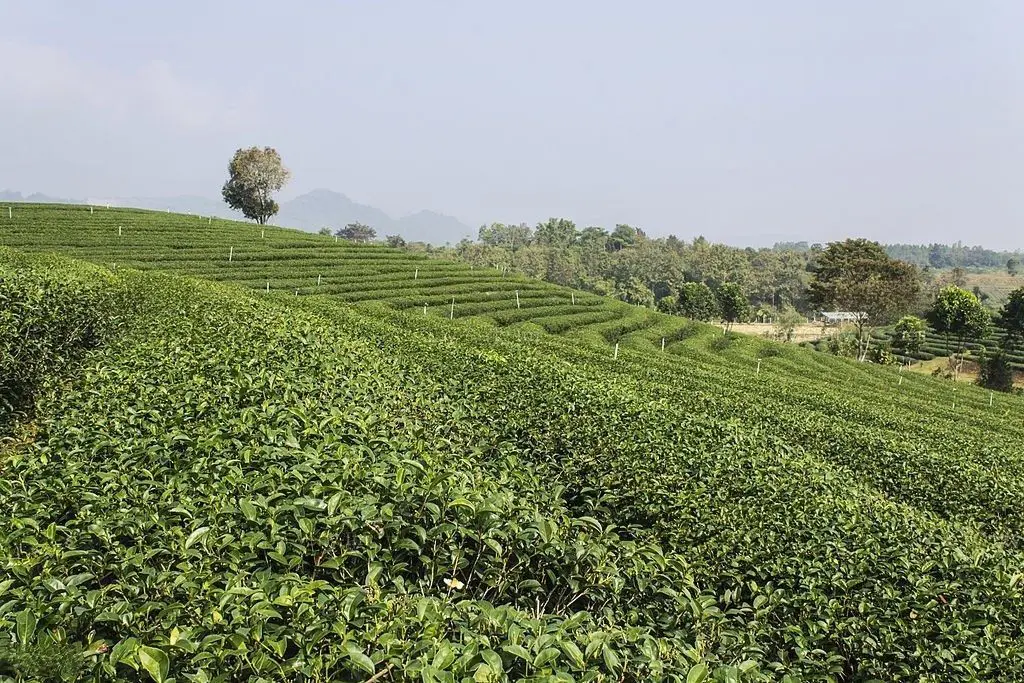
The rhizosphere is a dynamic microbial ecosystem that shapes root development, nutrient cycling, stress tolerance, and crop productivity. This article explains how plant microbiome strategies activate beneficial microorganisms to improve root health, nutrient availability, soil resilience, and sustainable crop performance.
Bacillus amyloliquefaciens may help maize tolerate salt stress by supporting rhizosphere colonization, root development, Na+/K+ balance, antioxidant defense, and osmotic regulation.
Native soil bacteria are the primary engines driving rhizosphere health and systemic disease suppression. This white paper reviews microbial-driven nutrient cycling and delivers engineering protocols for sub-surface microbiome enhancement.
Industrial microbiomes create value when they sustain measurable transformations under real feedstocks and changing loads. Organic carbon may be degraded, incorporated into biomass or converted into recoverable products; odorous compounds may be absorbed and biologically transformed. Lower pollutant concentrations, greater resource recovery and a smaller overall environmental burden are separate outcomes. An assessment should track material destinations, operating stability and treatment cost per unit, rather than relying on microbial counts or a single removal percentage.
Lactobacilli, synbiotics and postbiotics have been studied in chicken coccidiosis with outcomes spanning parasite shedding, intestinal barrier function, inflammation and growth. Certain Lactiplantibacillus plantarum strains reduce oocyst output and intestinal lesions in experimental infection; some multi-component products primarily improve feed utilization, while other synbiotic trials show no an
Poultry MG and microbiome research is moving from isolated inhibition findings toward integrated analysis of respiratory communities, metabolites and host barriers. Controlled studies report that selected lactobacilli or Bacillus interventions can accompany lower MG-related molecular signals, less tissue injury or improvements in some production outcomes. Responses still differ by strain and endpoint. This review examines direct chicken studies involving Mycoplasma gallisepticum (MG), distinguishes live organisms from cell-free supernatants and functional mechanism experiments, and does not turn these findings into disease-control promises for all probiotics or commercial products.
Whether probiotics can replace antibiotic growth promoters (AGPs) depends on the function being replaced. In some broiler experiments, particular preparations produced better feed conversion than the AGP comparator. That does not mean every probiotic gives the same production outcomes across diets, ages and health settings, or can replace disease treatment. This review focuses on broiler trials and separates performance, community measurements and material identity to explain how a conditional research finding can support a specific claim for evaluation.

Recent Exhibition Information

Subscribe now for more information

Practice Validates Truth

Limited Sessions, Join Now

On the journey of seeking knowledge and innovation, we don’t just stop at theory; we emphasize practical validation. To ensure our ideas come to fruition, we earnestly seek partners for experimental sites. It’s an opportunity not only to demonstrate scientific truths but also to lay a solid foundation for future innovations.

Terms of Cooperation

  1. Interested in the applications of microbiology
  2. Can be divided into control group and experimental group
  3. Can share data and multimedia content
  4. Agrees with ESGs sustainable business philosophy

Dr.GEM Service Team

  • Service Days: Monday to Friday
  • Service Hours: 08:00 AM – 05:00 PM
  • Service Phone: +886 928438879(TW)
  • Service Phone: +86 13662969797(CN)
  • Contact Person: Mr. Chen