
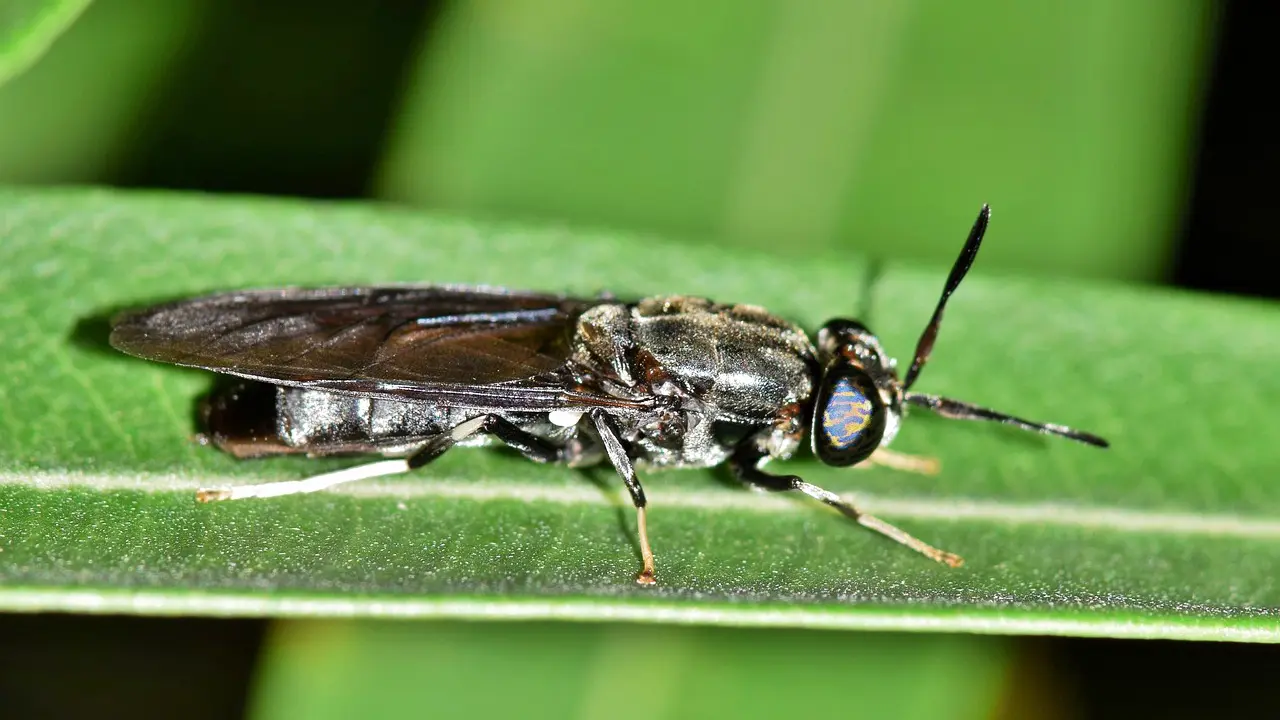
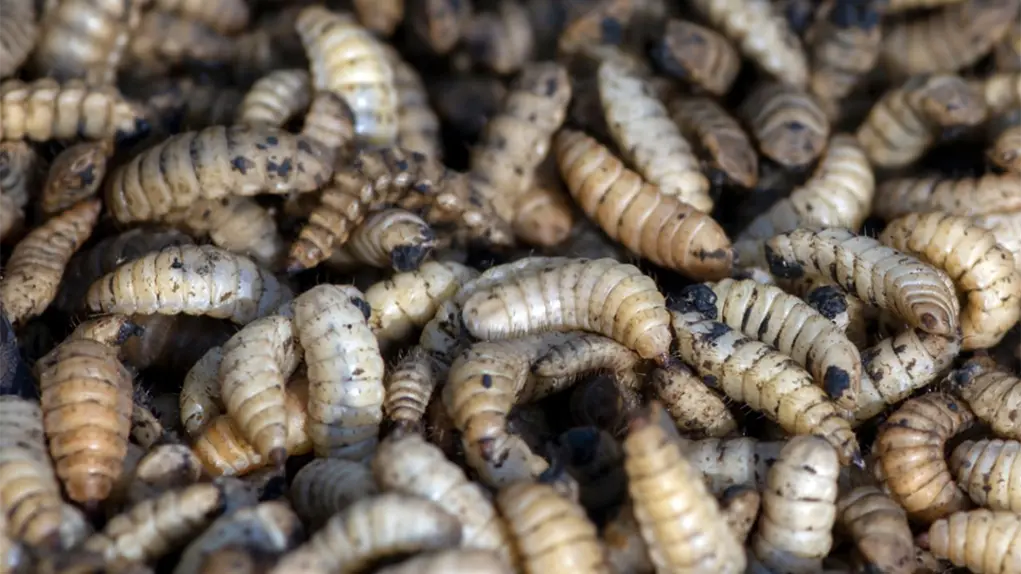
 Black soldier fly, commonly known as BSF (Hermetia illucens), has become one of the most promising alternative feed resources in modern animal nutrition. Its larvae and prepupae can convert livestock manure, agricultural by-products, and organic waste into high-protein and high-fat insect biomass. This biomass can then be processed into feed ingredients for swine, poultry, aquaculture, and pet food applications.
From the perspective of feed nutrition, fishmeal replacement, manure management, and circular agriculture, black soldier fly is more than an insect protein source. It represents a biological conversion platform with strong potential for sustainable feed production and environmental value creation.
Nutritional Value of Black Soldier Fly Larvae Meal
Black soldier fly larvae meal contains abundant amino acids, crude fat, calcium, and chitin. These nutritional properties make it a valuable animal-derived protein source with significant potential in feed formulation.
Previous studies have evaluated the possibility of using dried and ground black soldier fly larvae collected from livestock manure as a feed additive for pigs. The results showed that BSF larvae meal contains high levels of amino acids, crude fat, and calcium, making it suitable for inclusion in swine feed and other animal feed systems.
Compared with conventional fishmeal, BSF larvae meal offers several advantages. It can be produced from renewable organic resources, contributes to waste reduction, and may help reduce reliance on marine-based protein ingredients. As fishmeal and fish oil prices continue to fluctuate, black soldier fly insect protein is gaining attention as an alternative protein source, especially for aquaculture feed, young animal nutrition, and functional feed formulations.
Application Potential in Aquaculture Feed
Early research has also explored the use of black soldier fly larvae in aquaculture feed. Bondari and Sheppard investigated the feasibility of using BSF larvae collected from chicken manure as a feed ingredient for channel catfish (Ictalurus punctatus) and tilapia (Oreochromis niloticus). The larvae were tested either as a standalone feed or mixed with high-protein and low-protein commercial diets.
After a 10-week feeding trial, the different diets produced similar effects on body weight and body length in both fish species. These results suggest that black soldier fly larvae have practical potential as a feed ingredient for aquaculture species.
Consumer taste testing of fish fed with black soldier fly larvae also showed positive acceptance. This indicates that BSF-based feed ingredients may not only be nutritionally feasible but also commercially acceptable from a market perspective.
Partial Replacement of Fishmeal and Fish Oil
St-Hilaire and colleagues further investigated whether black soldier fly prepupae raised on pig manure could partially replace fishmeal and fish oil in rainbow trout (Oncorhynchus mykiss) diets.
The experimental design included replacing part of the fishmeal with insect pupae or BSF prepupae while simultaneously reducing fish oil inclusion. The study showed that, over a nine-week feeding period, partial replacement with black soldier fly prepupae did not negatively affect feed consumption in rainbow trout.
This finding is important because it suggests that BSF fat may help reduce fish oil usage in aquaculture feed. In the context of rising fish oil prices, pressure on marine resources, and increasing aquafeed costs, black soldier fly prepupae may become an important ingredient for feed cost optimization and sustainable aquaculture nutrition.
Converting Livestock Manure into Insect Protein and Organic Fertilizer
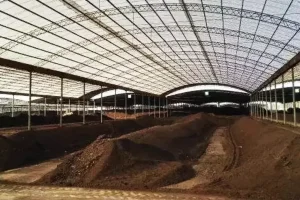
One of the most valuable features of black soldier fly is its ability to convert livestock manure and organic waste into insect protein, insect fat, and frass-based organic fertilizer.
Through larval feeding and biological conversion, manure that may otherwise generate odor, pathogen risk, and environmental pollution can be transformed into high-value feed ingredients and fertilizer products. This creates a powerful link between waste management, feed production, and circular agriculture.
For large-scale livestock farms, BSF systems may offer an integrated solution for manure treatment, biological conversion, feed resource recovery, and organic fertilizer production. When combined with microbial fermentation, pathogen control, odor reduction, and compost maturation technologies, black soldier fly production could become a more stable and scalable model for livestock waste management.
Challenges in Industrial-Scale BSF Production
Although black soldier fly has strong potential as a feed additive and alternative protein source, large-scale commercialization still faces several technical challenges.
The growth, mating, egg-laying, and larval conversion efficiency of black soldier fly are affected by temperature, light, humidity, and feeding substrate. Winter heating costs, year-round reproduction, system stability outside natural breeding seasons, and integration with intensive livestock production remain important issues for industrial operations.
Standardized manure treatment processes are also required. Different manure sources, potential heavy metal accumulation, pathogen risks, product safety, larvae processing stability, and nutritional quality control can all influence whether BSF-derived ingredients can be widely accepted in the feed industry.
For China and other Asian markets, more research is needed on local black soldier fly populations. This includes the study of regional life cycles, artificial rearing periods, the influence of light sources on reproduction, and the effect of different manure substrates on larval growth and conversion efficiency. These biological data are essential for building accurate production models and cost evaluation systems.
Integration Opportunities with Microbial Technology
From a microbial technology perspective, black soldier fly production should not be viewed only as insect farming. It can also be developed as a biological conversion system that integrates microbial fermentation, probiotics, enzymes, organic acids, and composting microorganisms.
Microbial pretreatment of manure or organic by-products may improve substrate quality, reduce odor, suppress harmful bacteria, and potentially enhance larval feeding efficiency and nutrient composition. This creates a strong opportunity for combining BSF production with microbiome-based technologies.
Further development of protein, fat, and chitin separation technologies could also increase the economic value of BSF biomass. BSF protein can be used as a feed ingredient, BSF fat may serve as an energy source or fatty acid modifier, and chitin or chitosan derivatives may have potential applications in gut health and immune modulation.
Conclusion: BSF as a Strategic Resource for Sustainable Feed and Circular Agriculture
Overall, black soldier fly has multiple values as a feed additive and alternative biological resource. It provides insect protein, fat, calcium, and chitin, while also offering the potential to partially replace fishmeal and fish oil. This can help reduce feed costs and lower dependency on marine resources.
At the same time, BSF can convert livestock manure and organic waste into high-value feed ingredients and organic fertilizer, supporting circular agriculture, low-carbon production, and ESG-oriented sustainability strategies.
The future of black soldier fly will not depend only on insect farming. Its true value lies in building an integrated technology platform that combines microbial pretreatment, insect bioconversion, standardized feed ingredient production, and organic fertilizer recycling. For feed companies, biotechnology enterprises, and sustainable agriculture systems, BSF is a strategic biological resource worth long-term development.