
Global Trends in Antibiotic-Free Production and Microbial Nutrition
The global livestock and aquaculture industries are moving through a structural transition. Regulatory pressure, consumer expectations, antimicrobial resistance concerns, food chain requirements and sustainability targets are accelerating the shift toward antibiotic-free and antibiotic-reduction production systems.
For producers, feed manufacturers and animal nutrition companies, this transition creates a practical challenge: how to maintain productivity, gut resilience and economic performance without relying on routine antibiotic growth promoters. The answer is not a single replacement product. It is a more integrated production model built around microbial nutrition, microbiome management, postbiotics, precision feeding and field-validated biological solutions.
HYGEM / GEMBIOZ views this shift as a major step in the evolution of animal BioSolutions. The future of antibiotic-free production will be shaped by companies that can translate microbiome science into measurable field performance while supporting responsible and sustainable food production systems.
Why Antibiotic-Free Production Is Expanding
Antibiotic-free production is no longer a niche positioning. It is becoming a strategic requirement across poultry, swine, ruminant and aquaculture value chains. Several forces are driving this movement.
| Market Driver | Industry Impact | Microbial Nutrition Opportunity |
|---|---|---|
| Regulatory pressure | Many markets are restricting antibiotic growth promotion and strengthening antimicrobial stewardship programs. | Creates demand for non-antibiotic gut health and microbiome management tools. |
| Consumer expectations | Labels such as antibiotic-free, raised without antibiotics and no antibiotics ever influence purchasing decisions. | Supports adoption of transparent, science-based nutrition strategies. |
| Food chain requirements | Retailers, processors and restaurant groups increasingly ask suppliers to reduce antibiotic dependency. | Encourages scalable biological solutions that can be validated across supply chains. |
| Sustainability goals | Antibiotic reduction is increasingly linked with responsible production, animal welfare and environmental management. | Positions microbial nutrition as part of sustainable animal production systems. |
The Microbiome as the New Production Frontier
The gastrointestinal microbiome has become one of the most important biological systems in modern animal production. It is connected to nutrient digestibility, feed efficiency, intestinal barrier function, immune regulation, pathogen pressure management, stress resilience and growth performance.
Instead of directly suppressing pathogens through routine antibiotic use, antibiotic-free systems aim to build a more balanced and resilient microbial ecosystem. This changes the role of nutrition. Feed formulation is no longer only about protein, energy, minerals and vitamins. It also needs to consider how ingredients, additives and management conditions influence microbial ecology in the gut and surrounding production environment.
Microbial Nutrition Beyond Traditional Probiotics
The next generation of microbial nutrition extends beyond conventional probiotic supplementation. Modern programs may combine multiple biological tools to support microbial balance, gut integrity and production consistency under validated application conditions.
| Technology | Core Concept | Production Relevance |
|---|---|---|
| Probiotics | Beneficial microorganisms selected for gut balance, enzyme activity or competitive exclusion. | May support intestinal stability and reduce pathogen pressure through microbiome management. |
| Prebiotics | Functional substrates that selectively support beneficial microbial populations. | Can help shape microbial ecology and improve fermentation patterns. |
| Synbiotics | Integrated combinations of probiotics and prebiotics. | Designed to improve establishment, persistence and functional outcomes. |
| Postbiotics | Bioactive microbial metabolites, cell components or fermentation-derived functional materials. | Can provide stability advantages where live-cell survival is difficult. |
| Next-Generation Probiotics | Novel microbial candidates identified through sequencing, omics and advanced screening. | Supports the transition toward precision microbiome nutrition and targeted BioSolutions. |
Key Performance Targets in Antibiotic-Free Systems
To succeed in antibiotic-free systems, microbial nutrition programs need measurable production targets. These targets should connect biological function with operational value.
Feed efficiency remains one of the most important economic drivers. Microbial solutions that support nutrient digestibility, enzyme activity and gut stability may contribute to improved feed conversion under appropriate production conditions.
Gut integrity is also central. A stable intestinal barrier helps limit unnecessary immune activation and supports nutrient absorption. Postbiotics, short-chain fatty acids and microbial metabolites are increasingly studied for their role in supporting epithelial function and mucosal balance.
Immune resilience is not the same as constant immune stimulation. A well-designed microbial nutrition program should support immune readiness while helping avoid excessive inflammatory burden that can redirect nutrients away from growth and productivity.
Pathogen pressure management depends on competitive exclusion, microbial metabolites, environmental stabilization and management practices. Microbial technologies should be positioned as supportive tools within a broader health and biosecurity framework, not as replacements for veterinary care, vaccination or professional farm management.
Environmental sustainability is becoming another major value point. Improved nutrient utilization may help reduce nitrogen and phosphorus losses, supporting environmental compliance and more responsible production systems.
The Growing Role of Data-Driven Microbial Technologies
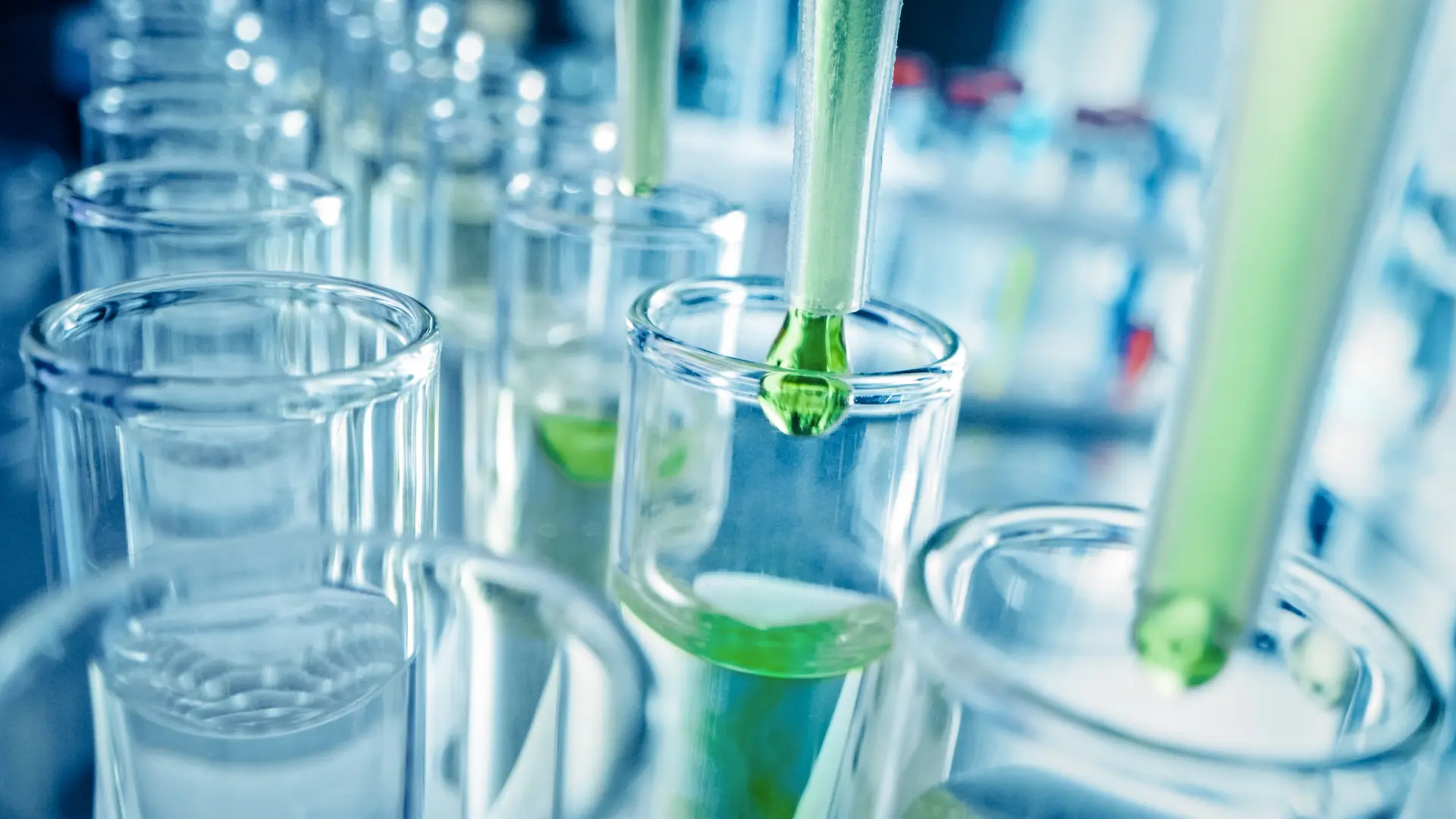
The future of antibiotic-free production will increasingly depend on data-driven biological solutions. Microbiome sequencing, metagenomics, metabolomics, AI-assisted screening, predictive modeling and synthetic microbial consortia can help producers understand microbial ecosystems more precisely.
This shift is important because no two production systems are identical. A poultry integrator, a swine nursery, a dairy farm and a shrimp pond may all require different microbial strategies. Precision microbial nutrition uses data to connect production challenges with targeted biological interventions and field validation.
Challenge
& Screening
Probiotics, Synbiotics, Postbiotics
KPI, ROI, Production Consistency
Opportunities Across Livestock and Aquaculture
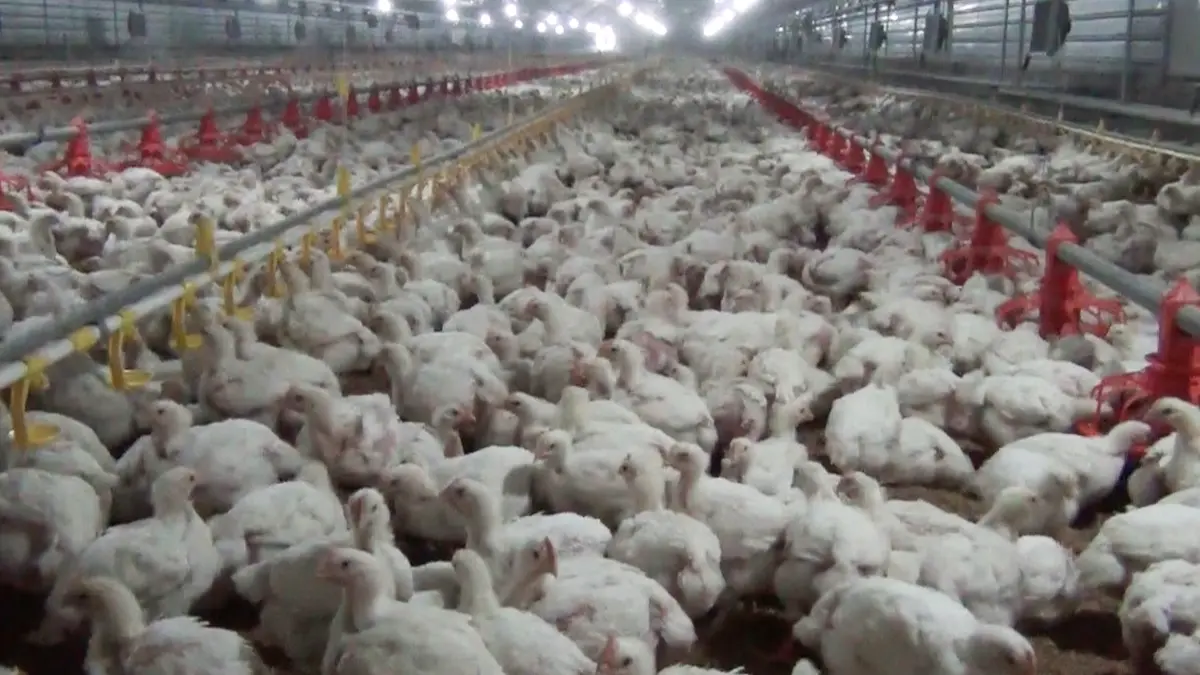
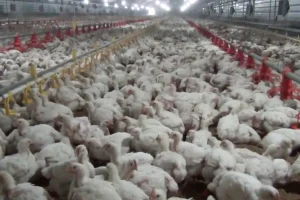
Poultry: Antibiotic-free poultry systems require strong gut health programs that support feed conversion, litter quality, intestinal integrity and resilience under coccidial and bacterial pressure. Microbial nutrition can be integrated with enzymes, organic acids, vaccination programs and farm management.
Swine: Post-weaning stress remains a key challenge. Microbial technologies may support gut barrier function, microbial balance, feed transition and reduced pathogen pressure during the nursery stage.
Ruminants: In cattle, sheep and goats, microbial technologies can support rumen fermentation, fiber utilization, volatile fatty acid balance and nutrient efficiency. They may also contribute to broader sustainability strategies when combined with validated feeding systems.
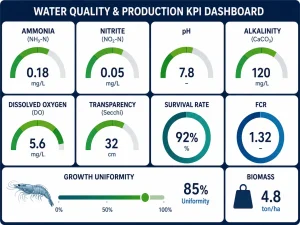
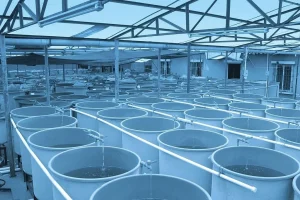
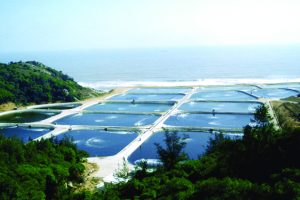
Aquaculture: Fish and shrimp production depends on both gut microbiome and water microbiome stability. Microbial nutrition can support gut function, water quality management, organic matter degradation and pathogen pressure reduction within integrated pond or recirculating systems.
HYGEM / GEMBIOZ Perspective: From Microbial Products to Platform Solutions
HYGEM International Inc. is positioned as a next-generation microbial platform company, not a simple probiotic product supplier. Through GEMBIOZ, HYGEM focuses on integrated microbial BioSolutions that connect strain discovery, fermentation technology, postbiotic applications, multi-omics analysis, AI-assisted microbiome intelligence and field validation.
In antibiotic-free production, the goal is not to claim that microbial technologies can replace all antibiotics in every condition. The practical goal is to help producers reduce dependency on routine antibiotic growth promotion by building more resilient gut ecosystems, supporting feed efficiency, improving consistency under validated application conditions and contributing to sustainable production systems.
Conclusion: Antibiotic-Free Production Will Be Built on Microbiome Intelligence
Antibiotic-free production is becoming a competitive direction for global livestock and aquaculture. Its success will depend on more than removing antibiotics from the system. Producers need stronger nutrition design, better microbiome management, reliable biological tools and measurable performance validation.
Microbial nutrition is becoming one of the most important technology categories in this transition. As microbiome science, omics technologies, AI-assisted screening and fermentation engineering continue to advance, the industry will move toward more precise and field-ready biological solutions.
The future of antibiotic-free production will not be built on replacement thinking alone. It will be built on understanding, managing and optimizing the microbiome as a central part of modern animal production.