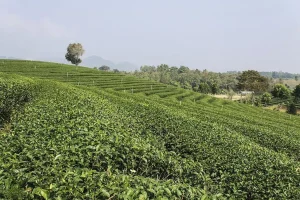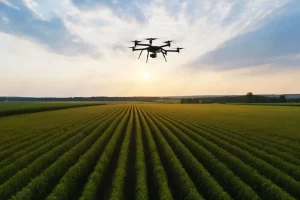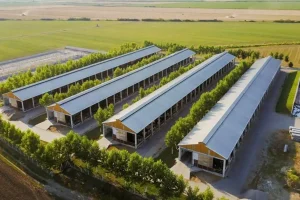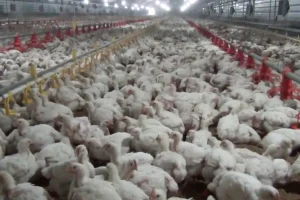
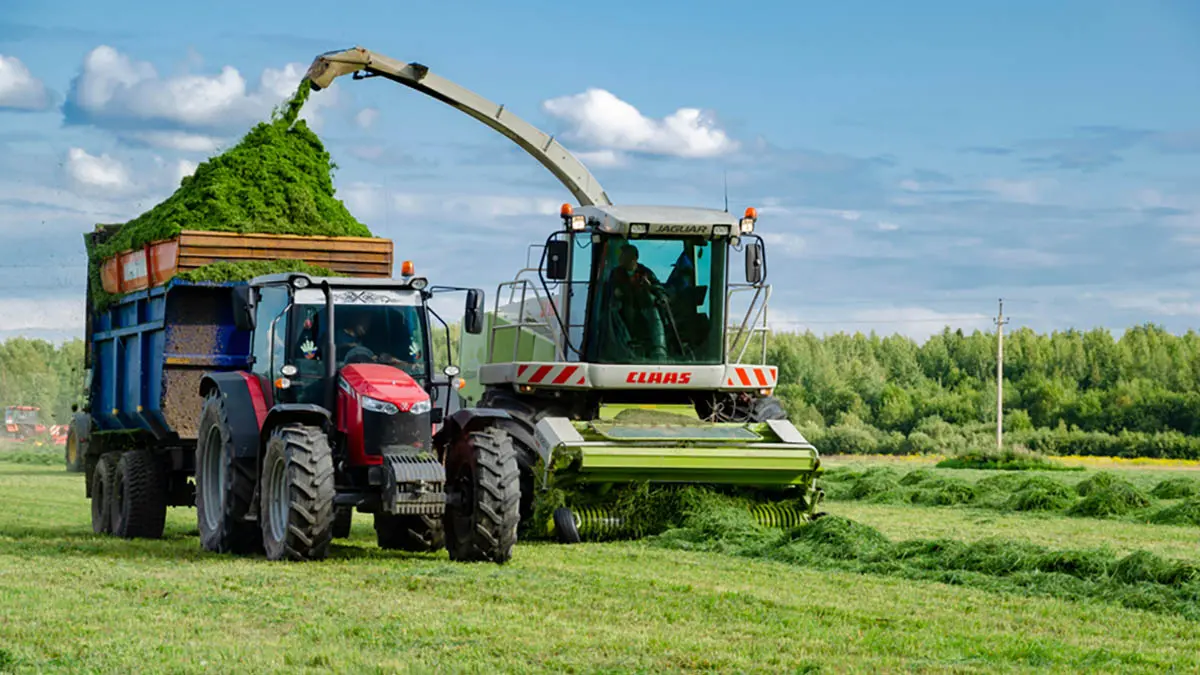

At HYGEM Biotech, we map the agrifood infrastructure as a highly coupled “Farm-to-Fork” biochemical network spanning crop cultivation, commercial livestock matrices, and bio-based fiber and fuel streams. Transitioning beyond traditional production saturation boundaries requires the integration of precision microecology and bioengineering to translate macro-level global declarations into scalable, high-yielding green business assets.
1. The Hard Realities of Global Food Crises and Resource Depletion
During the second UN Food Systems Summit (UNFSS+2) hosted in Italy, UN Secretary-General António Guterres noted that while over 100 nations have submitted voluntary transformation reports and advanced legislative policies, the funding gap for resilient food frameworks remains vast under current geopolitical and climate stressors. The empirical parameters highlighted during the summit demand urgent institutional intervention:
- Hunger and Supply Imbalances: Over 783 million individuals currently face acute hunger, yet one-third of all food produced globally is structurally lost or wasted across supply chains.
- Greenhouse Gas Emissions: Unsustainable agricultural, packaging, and distribution logistics excrete one-third of total global greenhouse gas (GHG) emissions, functioning as a primary driver of global warming.
- Freshwater and Biodiversity Loss: Traditional agricultural operations consume 70% of global freshwater reserves, while the over-application of synthetic pesticides and fertilizers induces massive soil degradation and localized biodiversity decay.
2. Probiotic Microecology: Driving the Core Bioprocess Transformation
Breaking the food industry’s reliance on chemical-heavy, resource-depleting operations requires joint public-private investments in resilient, equity-focused food systems. Utilizing our proprietary multi-omics R&D pipelines, HYGEM implements the “Microbiome” as the definitive technological lever to clear these systemic bottlenecks:
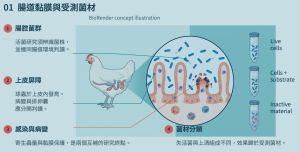
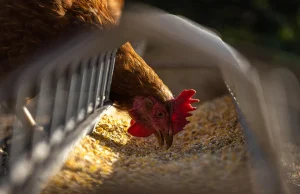
[ 2. Livestock Antibiotic Reduction ] Integrating Kingbels Additive Programs to optimize swine and poultry gut barrier defense, lowering FCR and veterinary inputs.
[ 3. Alternative Protein Innovation ] Advancing Black Soldier Fly (BSF) insect meal fractions to replace depleting marine fishmeal and fish oil in aquafeeds.
[ 4. Waste-to-Feed Circular Loops ] Merging microbial consortium pre-treatment with insect bioconversion to turn animal manure into high-purity frass organic fertilizer.
3. Cross-Value Chain Synergy: Validating the Economics of Green Tech
The successful commercial adoption of green agritech assets relies on translating ecological metrics into transparent financial data. Corporate integrators and large-scale producers evaluate biotechnology based on its capacity to minimize production costs and fortify delivery consistency. Incorporating standardized microecological programs allows producers to build high-credibility Return on Investment (ROI) models in the field. For instance, achieving a 9.4% FCR reduction and a 50% drop in mortality via targeted microbiome modulation translates directly into substantial net margin gains, proving that sustainable food systems can simultaneously drive corporate profitability and planetary health.
Conclusion: Unified Alliances for a Resilient Tomorrow
Forging a sustainable, healthy, and equitable agrifood architecture is an intense global long-run requiring interdisciplinary alliances. Faced with greenhouse gas barriers, freshwater depletion, and distribution deficits, compliant and scientifically stable agritech providers function as critical strategic partners. HYGEM remains dedicated to cultivating our integrated “Microbial Tech × Circular Economy × Precision Nutrition” workflow. By combining rigorous process engineering with empirical biological field validation, we deliver scalable solutions built to secure global agrifood systems and safeguard a prosperous tomorrow.
Further Reading
- Field Case Study Framework for GEMBIOZ Microbial Application Programs and ROI Evaluation
- The Prospects of Black Soldier Fly as a Feed Additive: Insect Protein, Fishmeal Substitution, and Waste Bioremediation Applications
- Native Soil Bacteria and the Precision Rhizosphere Microbiome Shield: Unlocking Nutrient Cycling Kinetics