
│
▼ High-Efficiency BSF Bioconversion
[ Insect Biomass Refining ] ──> Defatted Insect Meal (Fishmeal Replacement) / Antimicrobial Lipids / Functional Chitin
1. Core Nutritional Architecture and Competitive Advantages of BSF Larvae Meal
Dehydrated and defatted Black Soldier Fly Larvae Meal (BSFLM) provides an exceptional array of bioactive nutrients capable of fortifying commercial feed matrices:
- Favorable Amino Acid Profile: Displays a high crude protein index with comprehensive essential amino acid distributions highly bioavailable to monogastric and aquatic species.
- Bioactive Fatty Acid Fractions: Rich in medium-chain fatty acids—specifically Lauric Acid—which possesses innate broad-spectrum antimicrobial and anti-inflammatory properties that preserve neonatal gut mucosal barrier health.
- Highly Bioavailable Minerals: Contains high concentrations of organic calcium, phosphorus, and essential trace minerals critical for skeletal and structural development during early life stages.
- Chitin and Functional Chitin-Oligosaccharides: The insect exoskeleton delivers a natural source of chitin, acting as an immunomodulatory prebiotic that upregulates non-specific immune cascades and mucosal barrier defense.
2. Substitution of Marine Fishmeal and Fish Oil: Empirical R&D Validation
Mitigating the feed industry’s over-reliance on marine-derived fishmeal and fish oil represents a paramount objective within modern aquaculture formulation. Decades of peer-reviewed animal challenge studies confirm the efficacy and palatability of BSF biomass:
| Research Team / Citation | Experimental Paradigm & Matrix | Core R&D Finding & Market Acceptance |
|---|---|---|
| Bondari & Sheppard | Evaluated BSF larvae cultivated on poultry manure, fed either solely or blended with high/low protein commercial diets to channel catfish and tilapia (10 weeks). | Demonstrated no significant variance in final body weight or total length gain across groups. Sensory evaluation confirmed excellent fillet palatability and market acceptance from consumers. |
| St-Hilaire et al. | Investigated BSF prepupae reared on swine manure to partially substitute marine fishmeal and fish oil in rainbow trout formulations (9 weeks). | Successfully replaced substantial protein and lipid components with zero detrimental effects on feed intake (FI) or growth velocity, validating the viability of insect lipids to offset marine resource dependencies. |
3. Environmental Bio-Transformation: Closing the Waste-to-Feed Loop
The primary economic catalyst of industrial BSF integration resides in its dual-axis circular ecology, converting immediate operational expenditures into standardized revenue streams:
- Manure Mass and Pathogen Reduction: BSF larvae reduce bulk manure volumes by over 50% within brief processing windows, simultaneously outcompeting background E. coli and suppressing localized volatile ammonia emissions.
- Premium Frass Fertilizer Production: The processed insect excrement (frass) emerges as a highly stabilized, high-purity organic fertilizer rich in humic acids, mineral trace compounds, and antagonistic microflora that correct soil compaction and stimulate crop systemic resilience.
4. Critical Obstacles Restricting Industrial-Scale BSF Commercialization
Transitioning from decentralized, localized insect farming into high-throughput, standardized commercial processing introduces distinct engineering challenges:
- Climate Regulation and Thermal Cost: BSF mating, oviposition, and larval voracity are bounded by rigid microclimatic conditions (27–30°C) and specific light bands. Optimizing year-round reproductive output across non-natural seasons while maintaining a low thermal energy cost is vital for structural ROI.
- Bioenrichment and Chemical Contamination Risks: Livestock waste frequently harbors heavy metals (e.g., copper, zinc), antibiotic residues, and persistent environmental pathogens. Preventing the bioaccumulation of toxic residues within the target insect biomass represents an absolute legal compliance threshold for the feed industry.
- Nutritional Consistency: Dynamic variations in raw waste streams induce nutritional fluctuations across separate insect batches, requiring standardized industrial pre-conditioning and processing workflows.
5. The GEMBIOZ Solution: Bridging Microbial Technology and Insect Bioconversion
To overcome these processing pain points and maximize the commercial value of insect proteins, GEMBIOZ advocates for an integrated engineering model marrying industrial microecology with insect bioconversion:
- Microbial Consortium Pre-treatment: Prior to larval introduction, waste streams are inoculated with proprietary microecological cultures (e.g., specific Bacillus subtilis and lactic acid bacteria). This pre-digests recalcitrant fiber, neutralizes bad odors, eliminates background anti-nutritional factors, and substantially improves larval Feed Conversion Ratios (FCR).
- High-Tier Refining Operations: Shifting beyond crude whole-bug milling, HYGEM implements advanced defatting, protein isolation, and chitin-purification processes. The resulting ultra-low-fat insect meal meets the rigid criteria of young animal diets; the lipid fractions function as precise gut-barrier antimicrobial supplements; and the isolated chitin fractions are processed into high-purity oligosaccharides for specialized immune-modulating applications.
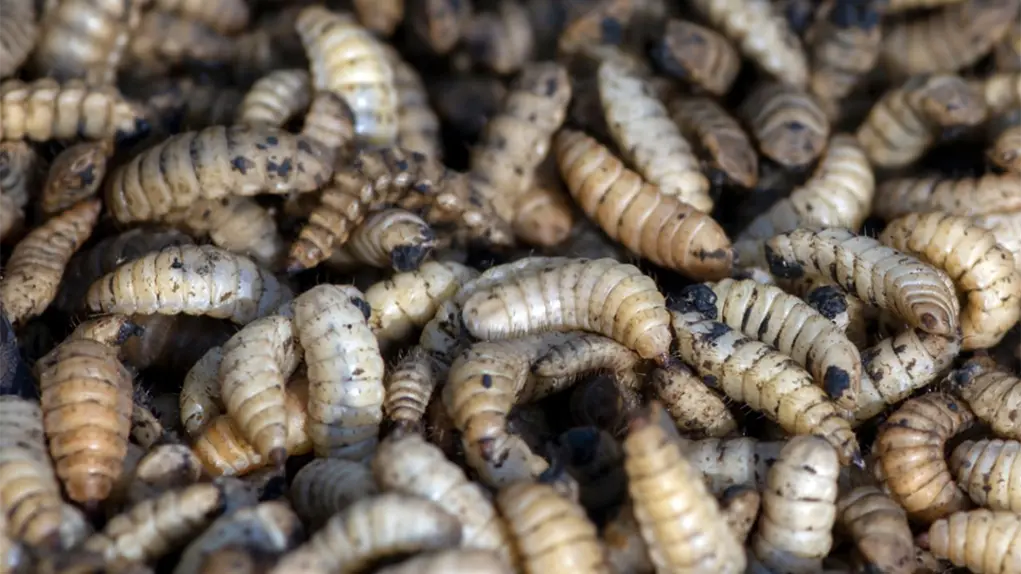
Conclusion: Cultivating Core Bio-Assets for Sustainable Agri-Business
The application of Black Soldier Fly derivatives as feed additives is successfully shifting from speculative alternative husbandry into a disciplined field of bioengineering. By bridging the gap between marine resource substitution, waste bioremediation, and target single-monogastric nutrition, the BSF paradigm establishes a vital cornerstone of green agritech. The future of sustainable agriculture belongs to integrated platforms capable of deploying “Microbial Pre-treatment × Insect Bioconversion × Ingredient Standardization × Frass Valorization.” HYGEM remains dedicated to advancing this vertical framework, delivering data-backed, high-yield biological solutions optimized for the global agritech industry.
Further Reading
- Bioengineering Microbial Systems: From Strain Selection to Field Validation Platform
- Market Intelligence for Microbial Feed Additives and Bio-Based Solutions: Strategic Commercialization Paths
- Regulatory Pathways for Agricultural Microbial Products: A Compliance Guide from Lab to Field
Scientific References
1. Bondari, K., & Sheppard, D. C. (1981). Soldier fly larvae as feed in commercial fish production. Aquaculture, 24, 103-109. (Evaluated black soldier fly larvae collected from poultry manure for channel catfish and tilapia production).
2. St-Hilaire, S., Sheppard, D. C., Tomberlin, J. K., et al. (2007). Fish commodity substitution with black soldier fly larvae fed on swine manure. Journal of the World Aquaculture Society, 38(1), 59-67. (Investigated the partial substitution of fishmeal and fish oil with BSF prepupae in rainbow trout diets).