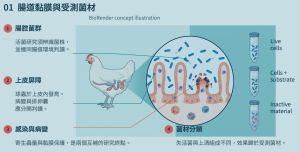

At HYGEM Biotech, we position the microbiome not as a passive environmental variable, but as the primary biological engine modulating commercial animal metabolic performance, mucosal barrier defenses, and environmental recycling. Deciphering these complex microbial communication loops allows corporate research frameworks to develop target-specific microecological tools engineered to defend livestock stability and optimize production outputs.
1. Ecological Complexity and Structural Definitions
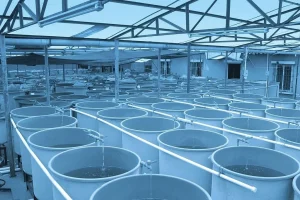
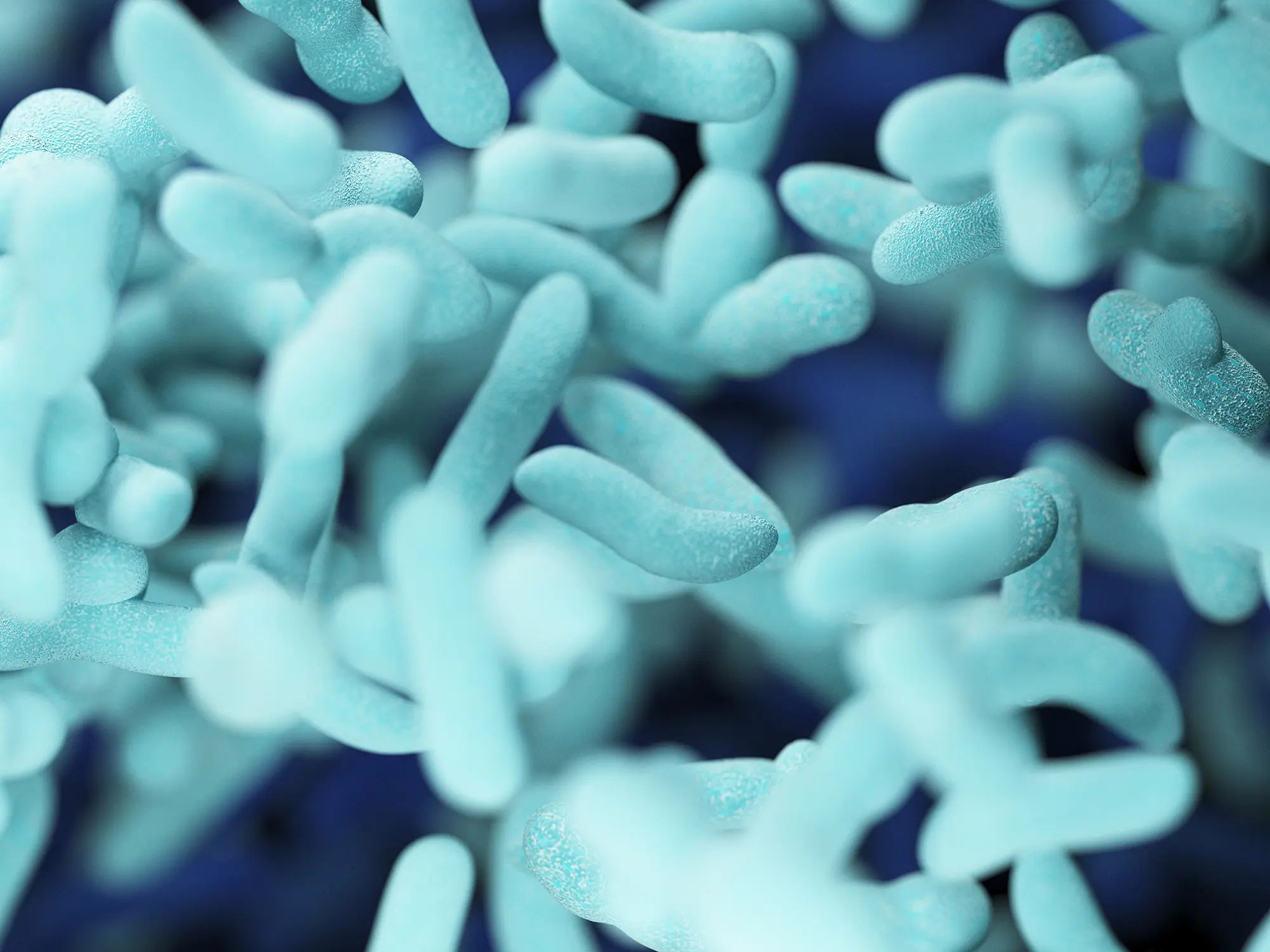
The microbiome is defined as the entire community of microorganisms, along with their cumulative genetic blueprints (Metagenome), inhabiting a distinct ecological niche or host matrix. Its baseline complexity is extraordinary; whether analyzing the livestock intestinal mucosa, aquaculture water columns, rhizosphere soil, or anaerobic waste processing systems, each environment relies on specific microbial successions. The structural diversity and functional redundancy of these consortia dictate the host’s capacity to suppress pathobiont invasions and endure physiological or physical stresses.
2. Key Functional Vectors Across Three Crucial Industries
Peer-reviewed discovery confirms that maintaining a balanced, highly active microbiome ecosystem controls the vital efficiency parameters of multiple global markets:
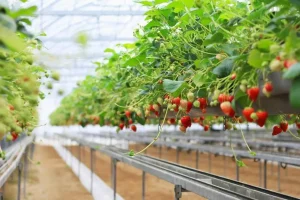
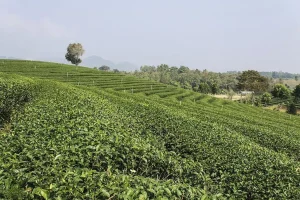
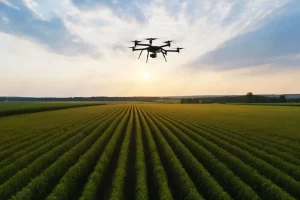
[ Rhizosphere Agronomy ] Plant root microbials actively govern nutrient assimilation kinetics, serving as the green engine to secure crop single-yield and phase out chemical inputs.
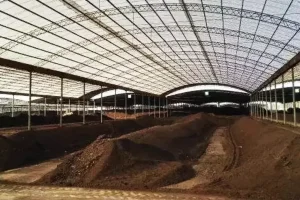
[ Industrial & Bioremediation ] Mining functional metagenomic libraries uncovers novel microbial assets, yielding high-tolerance enzymes to treat high-concentration animal manure wastewater and organic sludge.
3. Advanced Research: The Interdisciplinary Launchpad for Kingbels & GEMBIOZ
Microbiome discovery operates as a high-tier interdisciplinary launchpad merging classical microbiology, molecular ecology, structural genomics, and high-throughput computational modeling. This structural integration provides a sophisticated platform to evaluate microbial sociology. By tracking quorum sensing pathways and metabolic hand-offs, our engineering teams synthesize highly stable GEMBIOZ functional ingredients and Kingbels additive programs designed to survive aggressive industrial pelleting heat, guiding commercial biotechnology toward a paradigm of targeted, high-yield biological interventions.
Conclusion
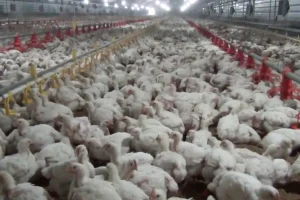
The microbiome sector is successfully redefining the baseline architecture of livestock production and circular industry. From preserving internal mucosal homeostasis in poultry and swine to engineering sustainable rhizosphere dynamics, precision microecology is actively steering the trajectory of the global bioeconomy. HYGEM remains dedicated to advancing our end-to-end multi-omics R&D pipeline, converting complex microbiome data into scalable, high-potency commercial assets that deliver long-term value for sustainable agribusiness networks worldwide.