
Embracing Sustainable Fashion: The Gradual Transformation and Climate Challenges of the Cotton Industry
Introduction and Background:
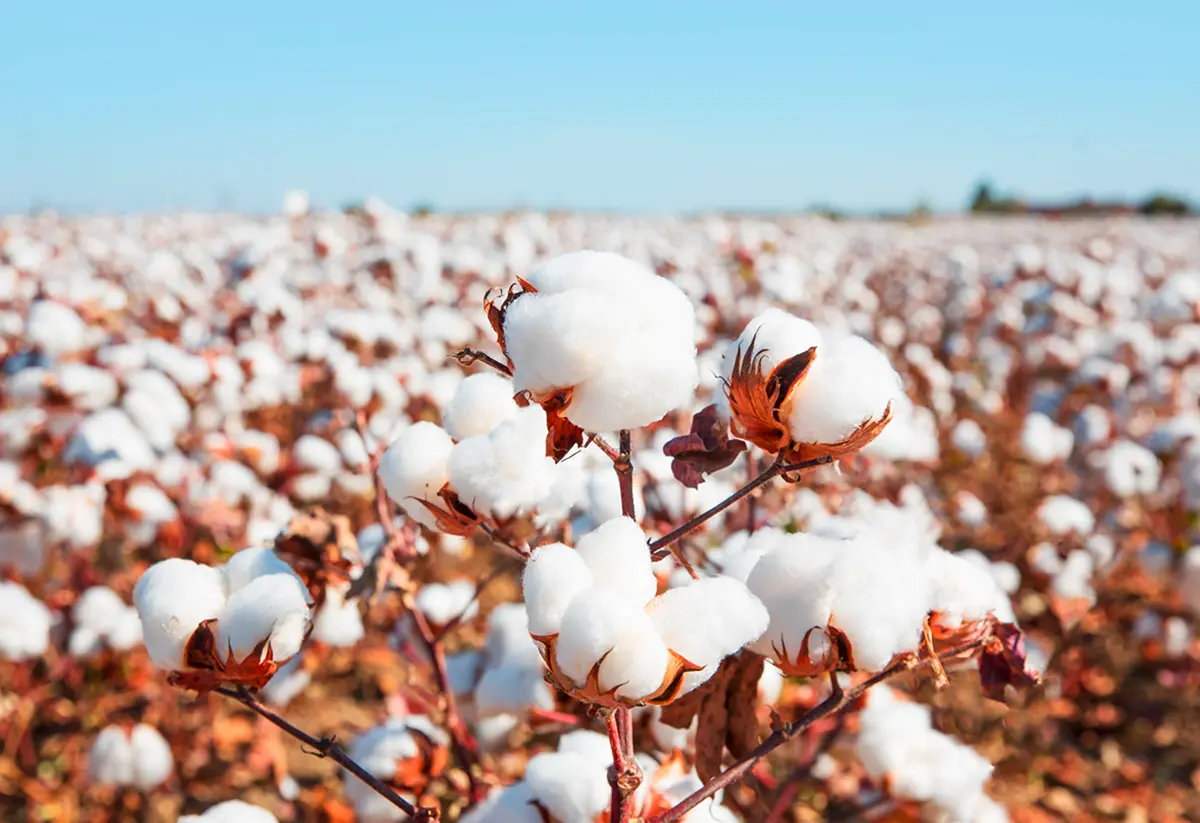
Cotton is one of the most important natural fibers in the global fashion industry. From T-shirts, shirts, denim and dresses to bed sheets, towels and home textiles, cotton remains widely used because of its natural origin, comfort, moisture absorption and breathability. Yet as the fashion industry faces climate change, water stress, soil degradation, supply-chain transparency and farmer livelihood challenges, cotton is no longer only a textile material. It has become a central topic in the transition toward sustainable fashion.
The cotton supply chain connects agriculture, ginning, spinning, weaving, dyeing, garment manufacturing, retail and consumer behavior. It supports rural employment and global textile markets, but it is also exposed to drought, flooding, pest pressure, water scarcity, soil decline and volatile climate conditions. For fashion brands, sustainable cotton is not only a sourcing label. For farmers, it is directly connected to yield stability, income resilience and long-term land productivity.
For HYGEM / GEMBIOZ, the transformation of sustainable cotton should not stop at consumer-facing material claims. It should return to the cotton field itself: soil health, rhizosphere microbiome activity, water-use efficiency, nutrient cycling, pest and disease pressure management and regenerative agriculture validation. This is where microbial BioSolutions can connect agriculture with the future of sustainable fashion.
1. Why Cotton Matters to Global Fashion
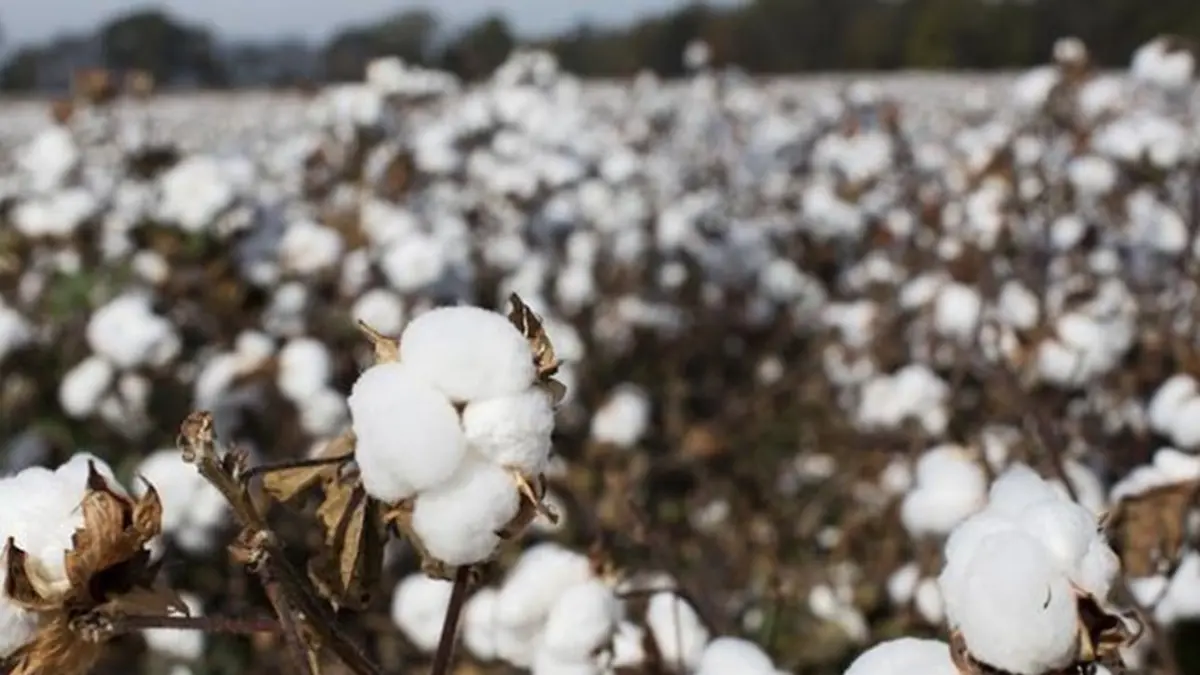
Cotton remains one of the most recognizable natural fibers in apparel and home textiles. Although synthetic fibers have grown rapidly over recent decades, cotton continues to hold a strong position in products that require comfort, softness, breathability and consumer familiarity. Its role in casualwear, denim, innerwear, towels and bedding makes it deeply embedded in everyday life.
The cotton industry is also part of rural economies in many countries. India, the United States, China, Brazil, Pakistan and Turkey are among the major cotton-producing regions. From cultivation and harvesting to ginning, spinning, weaving and garment production, cotton creates a large network of employment and economic activity. For smallholder farmers, cotton is not only a commodity crop. It can also be tied to household income, local finance and community development.
This importance makes the transition toward sustainable cotton both urgent and difficult. If sustainability is discussed only from the perspective of final brand materials, while ignoring farm-level climate risk, soil degradation, water pressure and farmer income, sustainable fashion may remain a consumer-facing slogan instead of becoming a structural supply-chain transformation.
2. How Climate Change Is Reshaping Cotton Industry Risk
Cotton is highly sensitive to climate conditions. Drought, heat, flooding, hurricanes, unstable rainfall and pest pressure can all affect cotton yield, fiber quality and harvest reliability. Recent climate-related disruptions in major cotton-producing regions have reminded global fashion brands that cotton supply is not a permanently stable raw-material pipeline. It is an agricultural system exposed to environmental risk.
Drought can limit water uptake, affect boll development and reduce fiber quality. Flooding can damage root systems, disrupt soil structure and increase disease pressure. High temperatures may alter growth stages, flowering and fiber development. These pressures eventually appear as yield volatility, quality inconsistency, supply delays and price uncertainty.
Therefore, sustainable cotton should not be reduced to “organic cotton” or “less pesticide use.” The deeper question is how cotton fields can maintain better productivity and resilience under heat, water scarcity, heavy rainfall and soil degradation. This is where regenerative agriculture, soil health and microbiome technologies become strategically relevant.
3. Soil Health Is the Foundation of Sustainable Cotton
Soil is not a passive medium that simply holds the plant. It is a living system made of minerals, organic matter, water, roots, microorganisms and soil fauna. For cotton, healthy soil can support root development, water retention, nutrient availability, disease suppression and carbon storage.
Soil improvement may include increasing organic matter, improving soil structure, enhancing water infiltration and water-holding capacity, reducing compaction, supporting microbial diversity and minimizing erosion. These practices may require additional cost and long-term management, but they are essential for the climate resilience of cotton production.
From a microbial perspective, the rhizosphere microbiome can participate in nitrogen, phosphorus and potassium cycling, plant hormone signaling, root development, stress response and pathogen competition. When soil microbial communities are more stable, cotton plants may have a stronger biological foundation to cope with drought, salinity, heat pressure or pathogen background risk.
4. Farmer Livelihoods and Brand Sustainability Commitments Must Move Together
Sustainable cotton cannot ignore smallholder farmers. Many cotton farmers face rising input costs, higher climate risk, price volatility, limited access to technical services and weak bargaining power. If sustainability standards only add compliance requirements without improving income, risk-sharing or access to practical tools, sustainability may become an additional burden for farmers.
Initiatives such as Better Cotton reflect the growing importance of water stewardship, soil health, responsible pesticide use, decent work and farmer livelihoods. For brands, a credible sustainable cotton supply chain must include farmer training, field data, income resilience and traceability, not only fiber claims at the retail level.
This also means that microbiome technology should not be simplified as a single agricultural input. A more appropriate role is to integrate microbial BioSolutions with soil management, water-saving practices, reduced chemical pressure, crop rotation and regenerative agriculture practices as part of a field-level resilience strategy.
5. HYGEM / GEMBIOZ Perspective: From Cotton Field Soil to Sustainable Supply Chains
HYGEM / GEMBIOZ can view sustainable cotton as an extension of agricultural microbiome BioSolutions. Cotton is not a food crop, but it is deeply connected with land, water, carbon, farmer livelihoods and global consumption. If cotton fields can use soil microbiome management to support root vitality, nutrient efficiency and stress adaptation, the entire fashion supply chain can gain a more stable raw-material foundation.
The GEMBIOZ technology perspective can focus on three directions. First, functional microbial strains and fermentation metabolites may support soil microbiome activity. Second, field indicators can be used to track water status, soil organic carbon, nutrient efficiency and crop performance. Third, microbial application data can be translated into ESG and sustainable agriculture evidence that brands, farmers and supply-chain partners can understand.
| Validation Module | Core Indicators | Sustainable Supply Chain Value |
|---|---|---|
| Soil Health | Soil organic matter, organic carbon, aggregate structure, water retention, microbial diversity | Supports regenerative agriculture, carbon storage and long-term cotton-field productivity. |
| Rhizosphere Microbiome | Beneficial microbes, phosphate and potassium solubilization, nitrogen-related functions, IAA, ACC deaminase | Supports root vitality, nutrient efficiency and stress adaptation capacity. |
| Water and Climate Resilience | Soil moisture, plant vitality during drought, canopy temperature, yield stability | Helps reduce supply risk caused by climate variability. |
| Farmer Livelihoods | Input cost, yield stability, fiber quality, income, access to training and technical services | Connects sustainable sourcing with farmer income resilience, not only brand-side claims. |
| Brand ESG Data | Chemical input reduction, water-use efficiency, soil carbon, traceability, field validation reports | Builds a sustainability dossier that can be communicated, reviewed and continuously improved. |
6. Fashion Industry Demand for Sustainable Production Is Accelerating
Global fashion brands are facing increasing sustainability pressure. Regenerative materials, recycled fibers, low-carbon supply chains, traceable cotton, chemical management and circular design are becoming part of corporate strategies. Major apparel groups have publicly committed to increasing the use of recycled or lower-impact materials, while policy frameworks in regions such as the European Union are pushing textiles toward greater durability, repairability, recyclability and transparency.
However, material substitution and recycling technologies can only solve part of the problem. If the agricultural systems behind natural fibers remain fragile, fashion supply chains will continue to face climate risk, supply instability and social responsibility challenges. Sustainable fashion therefore needs two pathways at the same time: reducing waste and improving circular materials, while also strengthening the agricultural foundation of natural fiber production.
Conclusion: Sustainable Fashion Starts in the Cotton Field and the Soil Microbiome
The cotton industry is undergoing a gradual transformation. Climate change, water stress, soil degradation, farmer livelihoods and brand sustainability commitments are forcing the entire supply chain to rethink the value of cotton. Cotton is no longer only a clothing material. It is a sustainability indicator connecting agriculture, climate, soil, farmers and consumer trust.
Truly resilient sustainable fashion cannot rely only on brand labels at the end of the supply chain, nor can it depend only on single material substitution. It must begin in the cotton field, through soil health, rhizosphere microbiome management, regenerative agriculture, field validation and supply-chain transparency. This is where HYGEM / GEMBIOZ can build long-term value: using microbial technology to support agricultural resilience and bringing the foundation of sustainable fashion back to the land itself.
Further Reading
- Sustainable Microbial Technologies for Lower Emissions and Better Resource Use
- The Rise of Sustainable Nutrition: The Emergence of Alternative Protein Foods
- Building Sustainable Agrifood Systems: A Microecological Strategy for Global Challenges
Scientific References / Disclaimer
IISD. Global Market Report: Cotton. Reference direction for cotton sustainability, market structure and global production context.
Better Cotton. Farmer livelihoods, water stewardship, soil health, decent work and sustainable cotton production principles.
WWF. Cotton sustainability and regenerative agriculture reference directions, including soil health, water use and biodiversity considerations.
European Commission. EU Strategy for Sustainable and Circular Textiles. Reference direction for sustainable textile policy and circular fashion transition.
Scientific reference directions also include peer-reviewed studies on regenerative agriculture, soil organic carbon, cotton soil health, plant growth-promoting rhizobacteria, drought resilience, water-use efficiency and sustainable textile supply chains.
Disclaimer: This article is intended for sustainability communication and educational purposes only. HYGEM / GEMBIOZ microbiome technologies are positioned as agricultural and soil health support tools. They should not be interpreted as guaranteed yield improvement, guaranteed carbon reduction, guaranteed climate-risk elimination, or replacement for responsible farm management, certification requirements, brand due diligence, or local regulatory compliance.