
The Rise of Sustainable Nutrition: How Alternative Protein Foods Are Reshaping the Future Food System
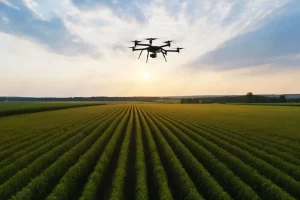
Alternative protein foods are moving from niche innovation to a strategic priority in the global food industry. As climate change, land and water pressure, supply chain instability, animal welfare concerns, and health-conscious consumption continue to reshape the market, food systems are being forced to rethink where protein comes from and how it should be produced.
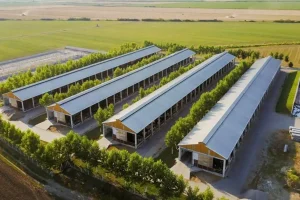
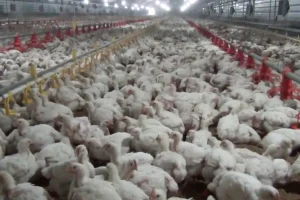
For decades, global protein supply has depended heavily on livestock meat, dairy products, eggs, and seafood. These protein sources will continue to play important roles, but relying on a limited number of conventional animal protein systems creates pressure related to resources, disease risk, production costs, and supply chain resilience.
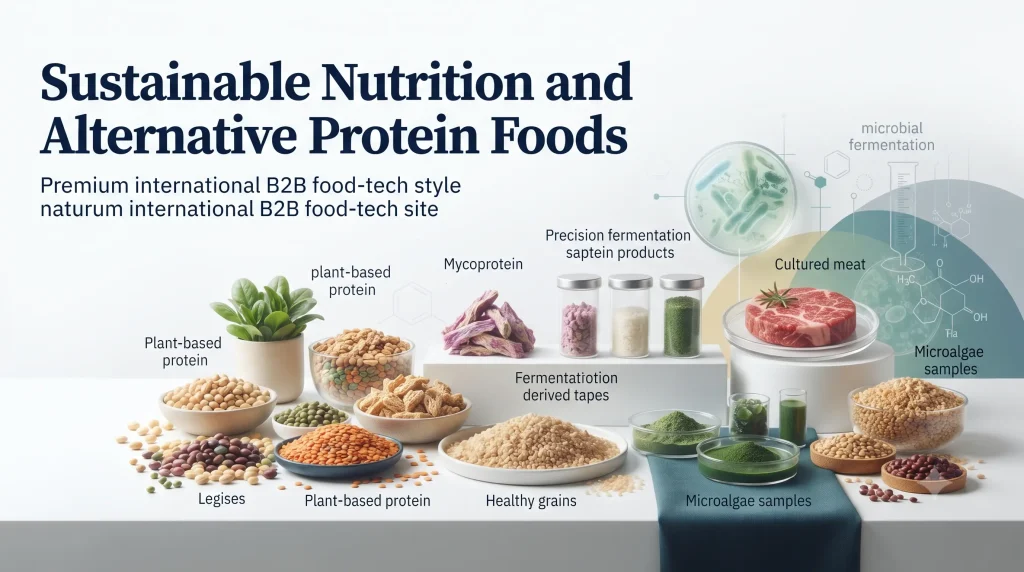
Alternative protein foods—including plant-based protein, fermentation-derived protein, insect protein, and cultivated meat—represent a broader shift toward diversified protein supply. Their value is not only to “replace meat,” but to build a more flexible, resource-efficient, and nutritionally resilient food system.
For HYGEM / GEMBIOZ, this transition also creates an important opportunity to connect microbial fermentation, biotransformation, functional metabolites, and sustainable food ingredient development into a future-oriented biotechnology platform.
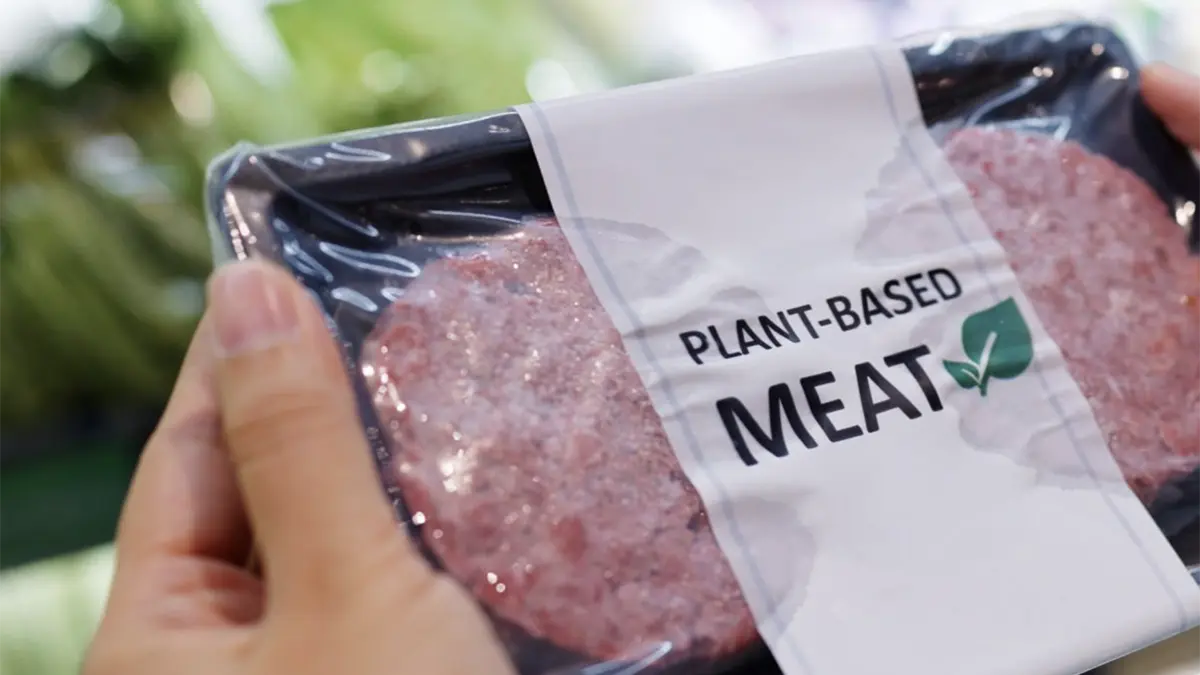
Protein Demand
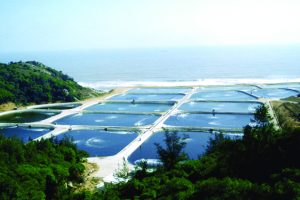
Land / Water / Carbon
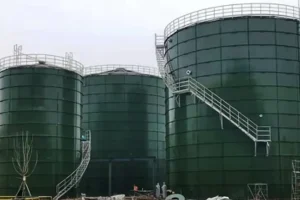
Plant / Fermentation / Cell
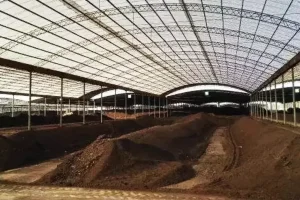
Resilient Food Future
1. What Are Alternative Protein Foods?
Alternative protein foods refer to protein products or food ingredients produced from sources other than conventional livestock meat. These products may be developed through plant extraction, microbial fermentation, insect farming, cell culture, or other food biotechnology processes. Their shared goal is to provide protein nutrition while reducing reliance on a single conventional animal protein supply chain.
Alternative proteins can generally be divided into four major categories:
| Category | Main Sources | Development Focus |
|---|---|---|
| Plant Protein | Soybean, pea, wheat, fava bean, chickpea, algae and other plant sources | Improving protein concentration, amino acid balance, flavor quality, and meat-like texture. |
| Fermentation-Derived Protein | Yeast, fungi, microalgae, bacteria and other microorganisms | Using biomass fermentation or precision fermentation to produce protein, enzymes, flavor molecules, and functional food ingredients. |
| Insect Protein | Black soldier fly larvae, crickets, mealworms and other edible insects | High feed conversion efficiency and circular resource potential, but consumer acceptance and regulatory differences remain important challenges. |
| Cultivated Meat | Animal cells grown through cell culture systems | Producing meat-like tissue through cell culture, with key challenges in cost, culture media, structure, regulation, and scale-up. |
These technologies are not mutually exclusive. In the future, they may form a diversified protein supply portfolio. The real question is not which technology will completely replace conventional meat, but which approach can create sustainable value in specific markets, price segments, nutritional needs, and consumption scenarios.
2. Core Advantages of Alternative Protein Foods
2.1 Reducing Resource Pressure in Protein Supply Chains
One of the main reasons alternative proteins have gained attention is their potential to reduce pressure on land, water, feed, and energy resources. Compared with conventional animal protein systems, some plant-based and fermentation-derived proteins may be produced under shorter production cycles and more controlled processing conditions.
However, the environmental value of alternative proteins should not be assumed only from concept. Raw material choice, processing intensity, energy source, logistics, formulation, and final product format can all influence the true environmental footprint. Mature alternative protein products should be evaluated through life cycle assessment to understand carbon footprint, water use, and land-use efficiency.
2.2 Building a More Resilient Protein Supply System
Global food supply chains are exposed to climate events, animal disease, logistics disruption, and geopolitical uncertainty. Alternative protein foods can serve as complementary protein sources, helping food companies build a more distributed and stable protein supply strategy.
Plant protein can rely on agricultural crops and extraction systems. Fermentation protein can be produced through controlled bioprocessing platforms. Cultivated meat explores the possibility of producing animal-derived tissue through cell culture. Together, these approaches create more options for future protein supply.
2.3 Supporting Health-Oriented and Flexitarian Diets
Many consumers are not fully eliminating meat from their diets. Instead, they are adopting flexitarian or reduced-meat eating patterns. This means the largest market opportunity for alternative protein foods may not be strict vegetarians, but mainstream consumers who want to balance health, sustainability, and eating enjoyment.
For these consumers, alternative protein products must deliver good taste, sufficient nutrition, reasonable pricing, and clear labeling. Sustainability alone is rarely enough to drive repeat purchase if the food experience is not satisfying.
3. Major Challenges Facing Alternative Protein Foods
3.1 Cost and Scale-Up Remain Major Barriers
Many alternative protein products are attractive at the R&D stage, but cost becomes a major challenge during commercialization. Plant protein requires stable raw material sourcing and efficient processing. Fermentation-derived protein requires robust strains, fermentation capacity, downstream separation, and drying technologies. Cultivated meat faces challenges in culture media cost, cell proliferation efficiency, tissue structuring, and production scale.
Therefore, competition in the alternative protein industry is not only about product concept. It is also about the ability to translate laboratory technology into scalable, cost-controlled, and consistently supplied food manufacturing systems.
3.2 Taste, Texture, and Cooking Performance Decide Repeat Purchase
Food is ultimately a sensory product. Even if an alternative protein product has a strong sustainability story and good nutritional positioning, consumer acceptance will remain limited if taste, aroma, mouthfeel, juiciness, texture, and cooking performance are not satisfactory.
Common challenges in plant protein include beany flavor, bitterness, powdery mouthfeel, and insufficient fibrous texture. Fermentation protein may require careful control of fermentation flavor, cell-wall texture, and downstream processing compatibility. Cultivated meat must solve the challenge of recreating muscle, fat, and connective tissue structure.
3.3 Nutritional Completeness Requires Scientific Design
Alternative protein foods should not be evaluated only by total protein content. Amino acid profile, digestibility, lipid quality, micronutrients, sodium content, fiber content, and additive levels all matter. Some plant proteins may require formulation strategies to improve limiting amino acids, while highly processed products may need careful control of sodium, oils, and additives.
A mature alternative protein product should deliver sustainability, nutritional quality, food safety, and a positive eating experience at the same time.
3.4 Consumer Education and Regulatory Acceptance Take Time
Alternative protein foods often involve new ingredients, new production processes, and new terminology. Consumers may have questions about safety, naturalness, nutrition, or processing level. Regulations for plant-based meat, insect protein, fermentation-derived protein, and cultivated meat also differ across countries and regions.
For this reason, transparent labeling, scientific communication, food safety documentation, and regulatory data packages will be essential for long-term market development.
4. Innovation Direction: From Meat Alternatives to Food Technology Platforms
The next stage of alternative protein development will not be limited to making plant-based products that imitate meat. True innovation will come from the integration of ingredient science, microbial fermentation, flavor engineering, texture design, nutritional formulation, and sustainable processing.
4.1 Plant Protein: From Protein Concentration to Structured Food Design
Plant protein development is moving from simple protein concentration toward precise structuring and sensory design. Through extrusion processing, enzymatic modification, fermentation pretreatment, and lipid structuring, plant proteins can gradually improve fibrous texture, chewiness, cooking behavior, and overall eating quality.
4.2 Fermentation Protein: Microorganisms as Future Food Production Platforms
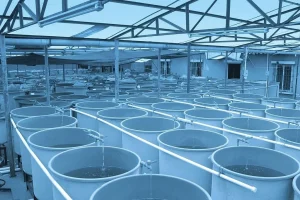
Microbial fermentation is one of the most platform-oriented directions in the alternative protein field. Through biomass fermentation, yeast, fungi, microalgae, and bacteria can directly become high-protein microbial biomass. Through precision fermentation, microorganisms can be designed to produce specific proteins, enzymes, fats, flavor molecules, or functional food ingredients.
For HYGEM / GEMBIOZ, microbial fermentation is not only a production tool. It is a technology platform connecting sustainable nutrition, circular resources, functional metabolites, and future food ingredients.
By-products / Carbon / Nitrogen
Strain / Fermentation / Control
Nutrition / Texture / Function
4.3 Cultivated Meat: From Proof of Concept to Cost and Regulatory Challenges
Cultivated meat uses animal cell culture to produce animal-derived tissue. It has the potential to reduce dependence on large-scale animal farming, but it still faces major challenges in cost, culture media, cell line stability, tissue structuring, production equipment, energy use, and regulatory review.
In the near future, cultivated meat may not immediately replace conventional meat at scale. It may first enter high-value, differentiated, or hybrid product formats, such as plant protein products enhanced with cultivated fat to improve flavor and juiciness.
5. Commercialization Validation: Alternative Protein Cannot Rely on Concept Alone
For alternative protein foods to enter the mainstream market, they must be validated across science, process, consumer experience, and business performance.
| Validation Dimension | Core Indicators | Business Meaning |
|---|---|---|
| Nutritional Quality | Protein content, amino acid profile, digestibility, micronutrients | Confirms that the product offers real nutritional value beyond a high-protein label. |
| Sensory Performance | Taste, aroma, chewiness, juiciness, cooking stability | Determines whether consumers are willing to repurchase. |
| Process Scale-Up | Yield, batch consistency, cost, energy use, downstream processing | Determines whether the product can move from lab scale to mass-market manufacturing. |
| Environmental Footprint | Carbon footprint, water footprint, land use, waste generation | Confirms whether the sustainability story is supported by data. |
| Food Safety and Regulation | Raw material safety, allergens, toxicology data, labeling rules, market approval | Determines whether the product can be launched legally, transparently, and sustainably. |
| Consumer Acceptance | Price acceptance, brand trust, label understanding, cultural fit | Determines market penetration speed and channel expansion potential. |
This means alternative protein companies cannot rely only on concepts such as “sustainable,” “future,” or “technology.” They must build complete R&D, sensory, process, regulatory, and market data packages.
6. HYGEM Perspective: How Microbial Fermentation Can Support Sustainable Nutrition
From HYGEM’s technical perspective, the future of alternative protein foods is not only a competition among consumer brands. It is also a competition among underlying bioprocessing platforms. Companies that can screen effective strains, control fermentation, increase yield, improve flavor, reduce cost, and build safety documentation will have stronger positions in the future food supply chain.
HYGEM / GEMBIOZ can contribute to alternative protein and sustainable nutrition through several technical directions:
| Technology Direction | Application Connection | Development Value |
|---|---|---|
| Strain Screening and Functional Database | Screening strains with high protein content, flavor potential, enzyme activity, or special metabolic capacity | Builds core strain assets for alternative protein and fermentation-derived food ingredients. |
| Biomass Fermentation | Using yeast, fungi, microalgae, or bacteria to produce microbial biomass protein | Supports single-cell protein, fermentation protein powder, and sustainable food raw materials. |
| Precision Fermentation | Producing specific proteins, enzymes, flavor molecules, or functional ingredients | Improves taste, texture, and nutritional added value in alternative protein products. |
| By-Product Upcycling | Using agricultural or food-processing by-products as fermentation substrates | Connects circular economy with low-waste food manufacturing. |
| Food Safety and Quality Validation | Establishing microbial limits, metabolite profiles, safety data, and batch consistency | Supports international market entry, B2B ingredient sales, and regulatory communication. |
Alternative protein is not only a final food product challenge. It is also a systems challenge involving microorganisms, fermentation, metabolism, raw material engineering, sensory science, and data validation. This is why HYGEM can extend its microbiome and fermentation platform capabilities into the future food sector.
7. Future Outlook: Alternative Protein as a Second Pillar of the Food System
The future food system is unlikely to be dominated by a single technology. Conventional livestock, seafood, plant protein, fermentation-derived protein, insect protein, and cultivated meat may all play roles in different markets and consumption scenarios.
The more important question is whether the protein supply system can become more resilient, transparent, efficient, and aligned with environmental and nutritional needs. The rise of alternative protein foods signals a transition from single-source protein dependence toward a diversified protein portfolio.
For food companies, this represents an opportunity for product innovation. For biotechnology companies, it creates opportunities in fermentation engineering and microbial platform development. For consumers, it opens the door to more flexible, sustainable, and personalized dietary choices.
The real meaning of alternative protein foods is not only replacing meat. It is about using plant, microbial, cell-culture, and circular-resource technologies to build a more resilient, sustainable, and future-ready protein supply system.
Further Reading
- The Rise of Sustainable Nutrition: The Emergence of Alternative Protein Foods
- Microbiome Nutrition and Intestinal Barrier Function in Livestock
- Dubai cop28 the earth does not belong to us but we all belong to the earth
Scientific References / Disclaimer
Reference directions include peer-reviewed studies and technical reports on alternative proteins, plant-based protein, fermentation-derived protein, single-cell protein, biomass fermentation, precision fermentation, cultivated meat, insect protein, food sustainability, life cycle assessment, sensory science, food safety, and future food systems.
Disclaimer: This article is intended for scientific communication and educational purposes only. Alternative protein technologies, fermentation-derived ingredients, cultivated meat, insect protein, and novel food applications should be evaluated under appropriate food safety, toxicological, nutritional, regulatory, labeling, and market-specific conditions before commercial use. Any sustainability, nutrition, environmental, cost, or health-related claim should be supported by validated data and approved documentation.