News & Media

Explore the Latest News & Medias

GEM| Genomic Engineering Microbiome

Here are some recommended News for you...

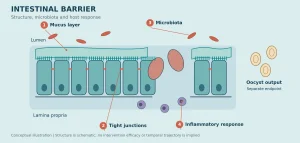
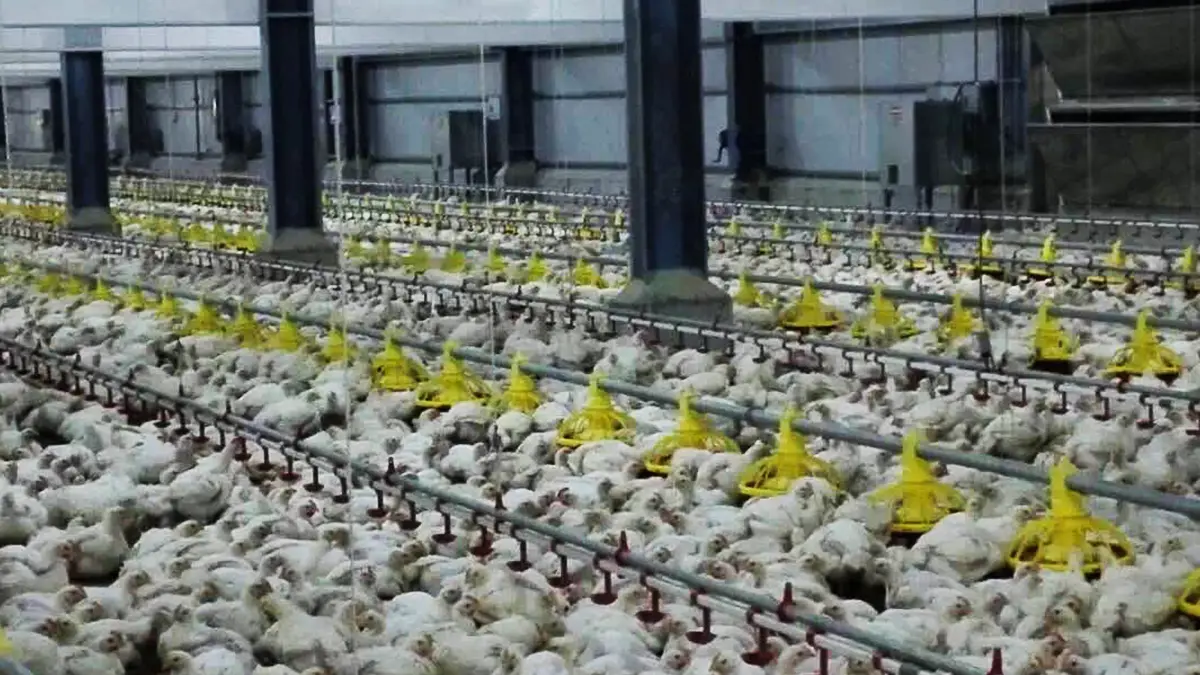
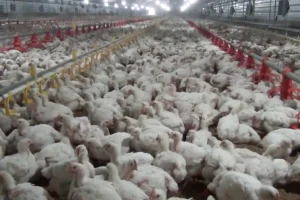
Lactobacilli, synbiotics and postbiotics have been studied in chicken coccidiosis with outcomes spanning parasite shedding, intestinal barrier function, inflammation and growth. Certain Lactiplantibacillus plantarum strains reduce oocyst output and intestinal lesions in experimental infection; some multi-component products primarily improve feed utilization, while other synbiotic trials show no an

Recommended Articles Related To Animal Microbiome Agro Microbiome Industrial Microbiome ...

Lactobacilli, synbiotics and postbiotics have been studied in chicken coccidiosis with outcomes spanning parasite shedding, intestinal barrier function, inflammation and growth. Certain Lactiplantibacillus plantarum strains reduce oocyst output and intestinal lesions in experimental infection; some multi-component products primarily improve feed utilization, while other synbiotic trials show no an
Poultry MG and microbiome research is moving from isolated inhibition findings toward integrated analysis of respiratory communities, metabolites and host barriers. Controlled studies report that selected lactobacilli or Bacillus interventions can accompany lower MG-related molecular signals, less tissue injury or improvements in some production outcomes. Responses still differ by strain and endpoint. This review examines direct chicken studies involving Mycoplasma gallisepticum (MG), distinguishes live organisms from cell-free supernatants and functional mechanism experiments, and does not turn these findings into disease-control promises for all probiotics or commercial products.
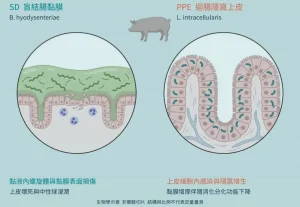
A scientific review of intestinal lesions, microbiome interactions and material-specific evidence in swine dysentery and porcine proliferative enteropathy.
A source-based review of Eimeria, intestinal microbiota and barrier function in chickens, examining P8, BS22, synbiotics and other microbial materials across distinct biological endpoints.
A source-based review distinguishing microbial composition, functional potential, metabolic measurements and host outcomes.
International discussion of livestock antimicrobial stewardship and microbial nutrition is bringing attention back to disease prevention, responsible medicine use and verifiable production management. For feed and livestock businesses, a product described as an “antibiotic alternative” or a reduction reported for one period is insufficient to establish a trend. The underlying years, animal-biomass denominator and destination market matter. This article considers how microbial nutrition can enter business decisions without assuming that any product can replace necessary veterinary treatment.

Recent Exhibition Information

Subscribe now for more information

Subscribed

Practice Validates Truth

Limited Sessions, Join Now

On the journey of seeking knowledge and innovation, we don’t just stop at theory; we emphasize practical validation. To ensure our ideas come to fruition, we earnestly seek partners for experimental sites. It’s an opportunity not only to demonstrate scientific truths but also to lay a solid foundation for future innovations.
Terms of Cooperation

  1. Interested in the applications of microbiology
  2. Can be divided into control group and experimental group
  3. Can share data and multimedia content
  4. Agrees with ESGs sustainable business philosophy

Dr.GEM Service Team

  • Service Days: Monday to Friday
  • Service Hours: 08:00 AM – 05:00 PM
  • Service Phone: +886 928438879(TW)
  • Service Phone: +86 13662969797(CN)
  • Contact Person: Mr. Chen